
Pre-Purchase Gogo Inflight Wi-Fi Service To Save the Big $$$

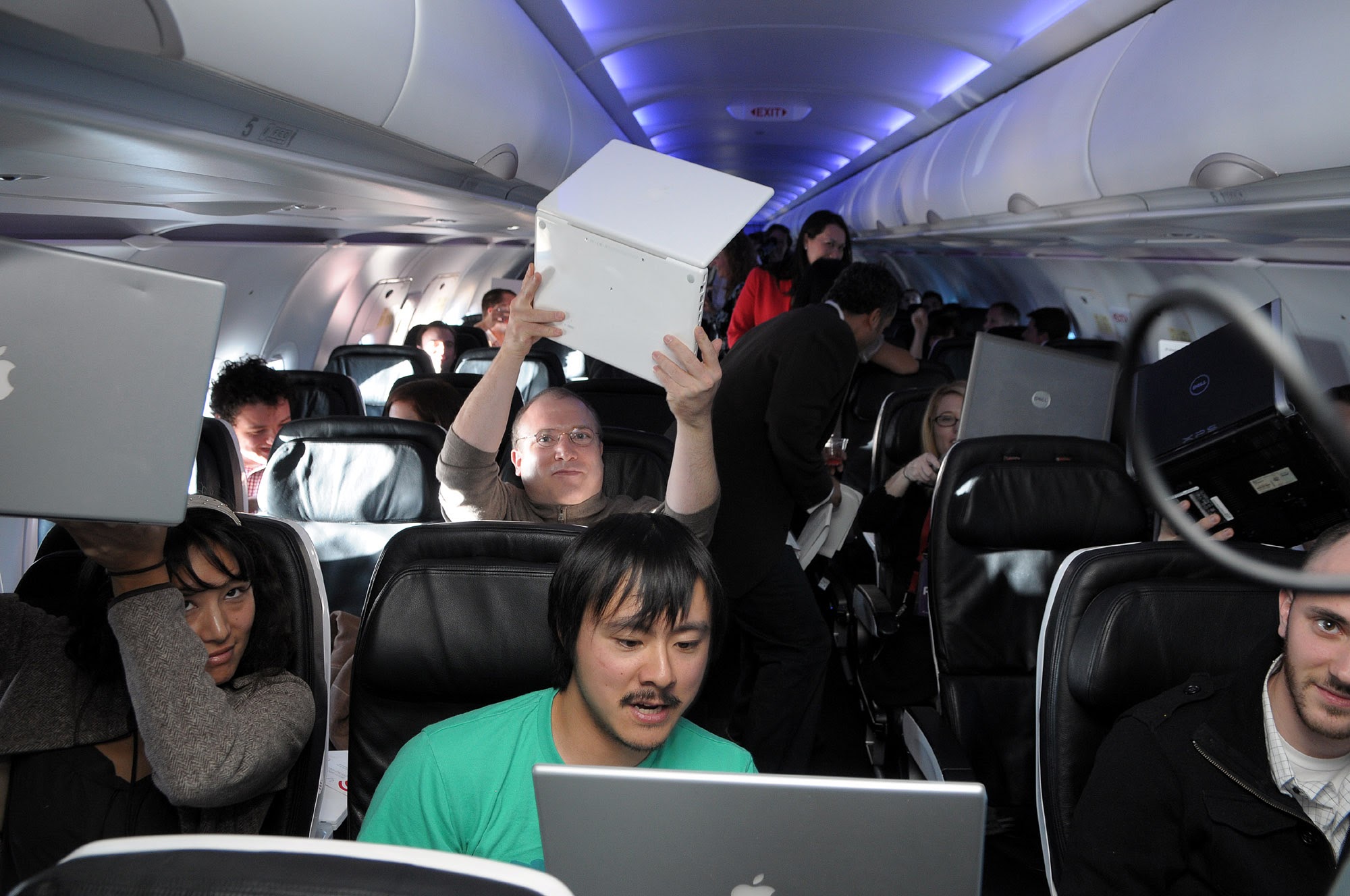
I've been writing about inflight Wi-Fi since long before it was commercially available—for about 15 years! I was on the maiden voyage of the first domestically equipped plane using what's now known as Gogo's inflight solution, which relies on a cellular ground-based infrastructure using frequencies it won rights to at a federal auction. Internet service is now widely available from multiple providers in America who employ satellite instead of ground towers, and some airlines are even using service from different companies on different crafts and routes. (Outside of the US, service is more limited, but growing fast.)
The trouble right now is that too many people want to use Wi-Fi on a plane! It's a great, terrible problem that I wrote about in March 2015 for Fast Company: "How Terrible In-Flight Wi-Fi Will Finally Become A Thing Of The Past."
One of the most striking things I came away with from interviews for that article was that Gogo's CEO spoke openly about raising prices in order to tamp down demand—and it wasn't working. People would pay excessive amounts and be angry about it, which wasn't ideal. Gogo is upgrading service on many of its existing airlines' craft, going from about 3 to 10 Mbps, which should improve things. It has a hybrid offering that combines ground and satellite that will dramatically boost speeds and allow a single system to work over the U.S., over water, and beyond.
In a story in today's New York Times, the CEO is quoted saying approximately the same thing in the face of complaints from users that are paying up to $40 per flight segment on peak days. He was aware when we spoke that there's a balance between suppressing demand and pissing off customers, and based on all I read, Gogo's service is overtaxed on many flights, and thus customers are both overpaying relative to value and pissed off about the price and quality. (I've had to request credits on a few flights I've used Gogo on.)
But there's a trick mentioned in the column, but not fully explained. (John Gruber was peeved about how it was presented.) If you purchase a 24-hour pass in advance, it's always $16 to use on any single airline, including across multiple segments, no matter what the current demand-based pricing is. These passes last for a year from purchase. If you know you'll be traveling in the next year and use Gogo service, buy one and keep it handy to offset the opportunity cost of a $40, single-segment fee.
Matthew Panzarino has an even better trick:
You can also pay $50 per month, with only a month-to-month commitment, for unlimited use across all Gogo-equipped planes for a single airline or $60 a month across all airlines. But if you don't remember to cancel your service, you're just handing over cash to Gogo.
@ericlaw @glennf @daringfireball Goddammit, this just reminded me I signed up for monthly subscription I forgot to cancel. F U gogoAugust 27, 2015
Gogo has got to sort this out. Only about half the planes that use its service will have the 10 Mbps upgrade this year; many but not all of the rest will move up in 2016, or shift to another Internet provider. If they didn't charge the demand price, they'd have even more usage, but the cost and service quality are killing people attitudes towards them.