Glog

Print

Books

New Edition of Six Centuries Ships

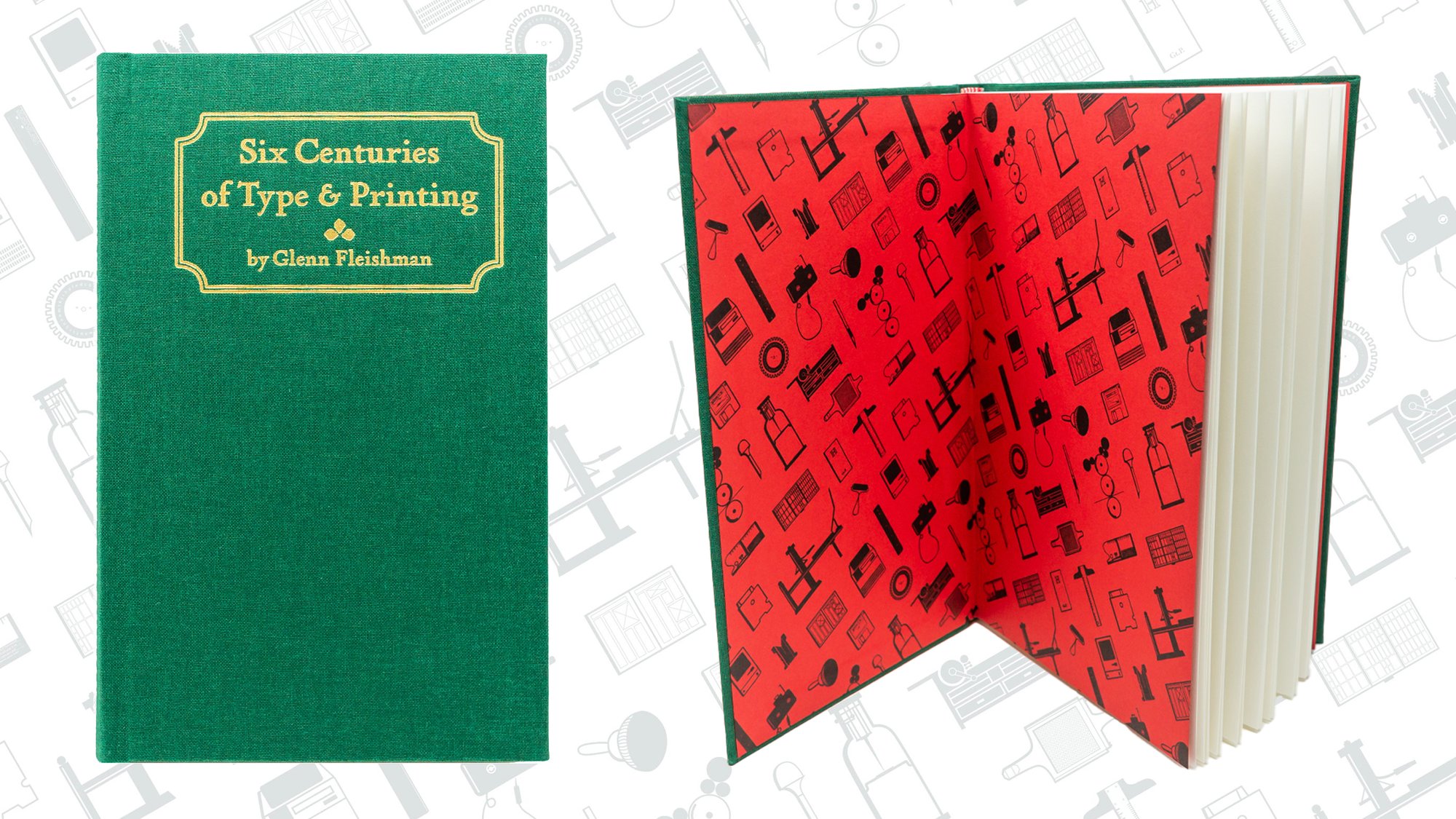
The second edition of Six Centuries of Type & Printing is shipping! This revised edition contains numerous updates from the last few years of my printing research through site visits and primary document reading. Produced by Hemlock Printers in Canada, it’s offset printed (making it far more affordable than the previous letterpress edition), and bound in green cloth with foil stamping on the cover and spine, and a cheery red set of endpapers. The book is 64 pages in print, bundled with an extended ebook that contains a full index, end notes, and bibliography.

I’ve built a separate website with full details, including a sample of the ebook and a chapter of the audiobook. You can order the print/ebook bundle or get the ebook or audiobook by themselves. The audiobook is also available as a discounted add-on when you purchase the bundle or ebook.

 Tutivullus is the demon who makes you spell things incorrectly.
Tutivullus is the

Books

Six Centuries of Type & Printing: a New Edition on Kickstarter

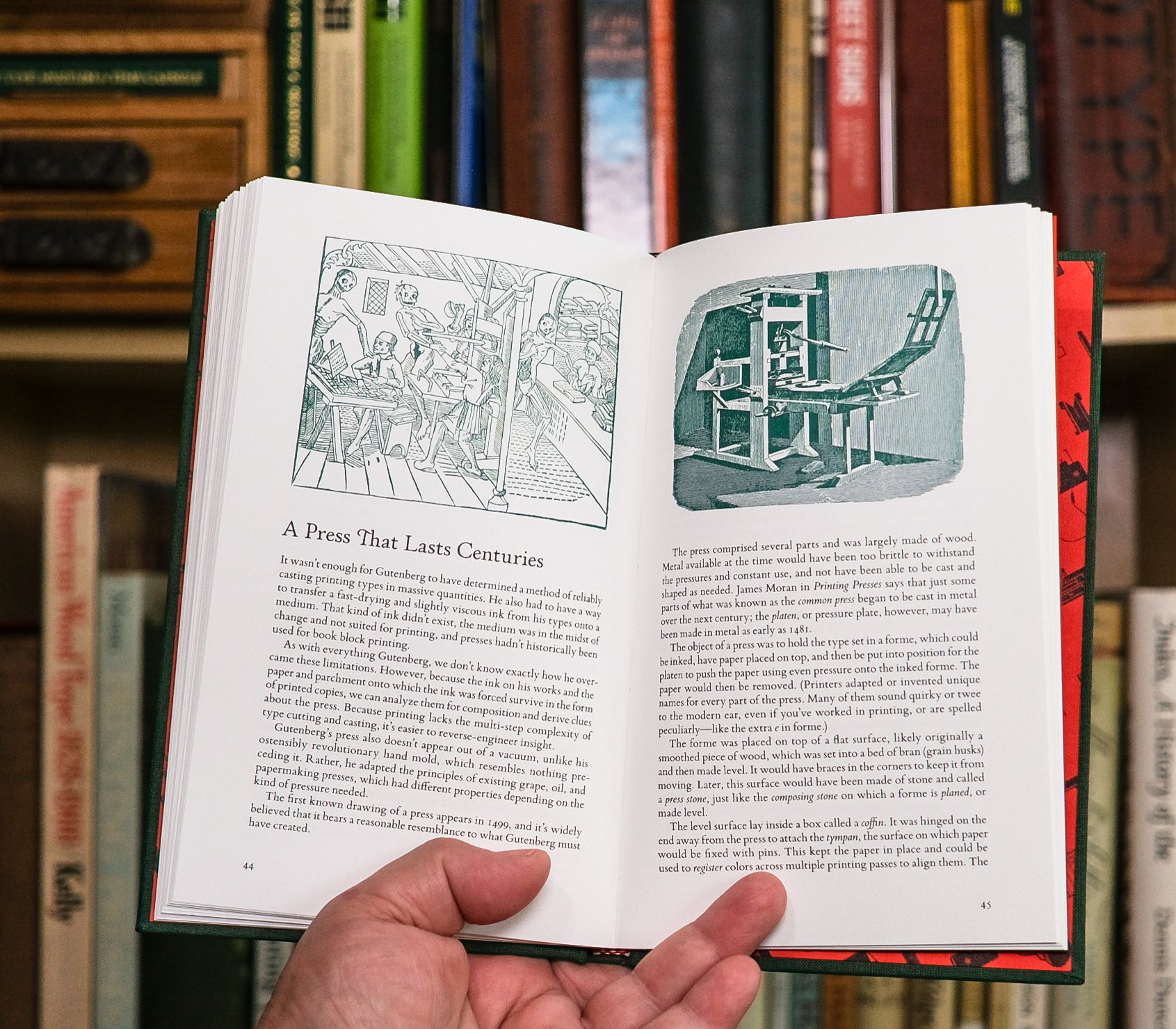
Today, I launched a Kickstarter campaign for a second edition of Six Centuries of Type & Printing. The book briskly tells the story across 64 pages of the evolution of type and printing, starting with early documented efforts and surviving artifacts from China and Korea, and introducing Gutenberg and his innovations. It then takes you through each generation of increasing sophistication in metal and relief printing until the abrupt 20th century shift into flat offset printing, which was made possible through photographic and digital improvements, and phototypesetting and digital composition.

  Six Centuries of Type & Printing ; second edition will closely match these photos of the earlier letterpress edition
Six Centuries of Type & Printing ; second edition will closely match these photos of the earlier letterpress edition

If you have been following my adventures for a few years, you might remember the 2019 project, The Tiny Type Museum & Time Capsule. Collaborator Anna Peterson created over 100 hand-crafted wooden cases, and I collected and commissioned thousands of type and printing

Bookselling

Take Control Sale + Upcoming Bookstore Edition of How Comics Are Made

 My currently active titles.
My currently active titles.

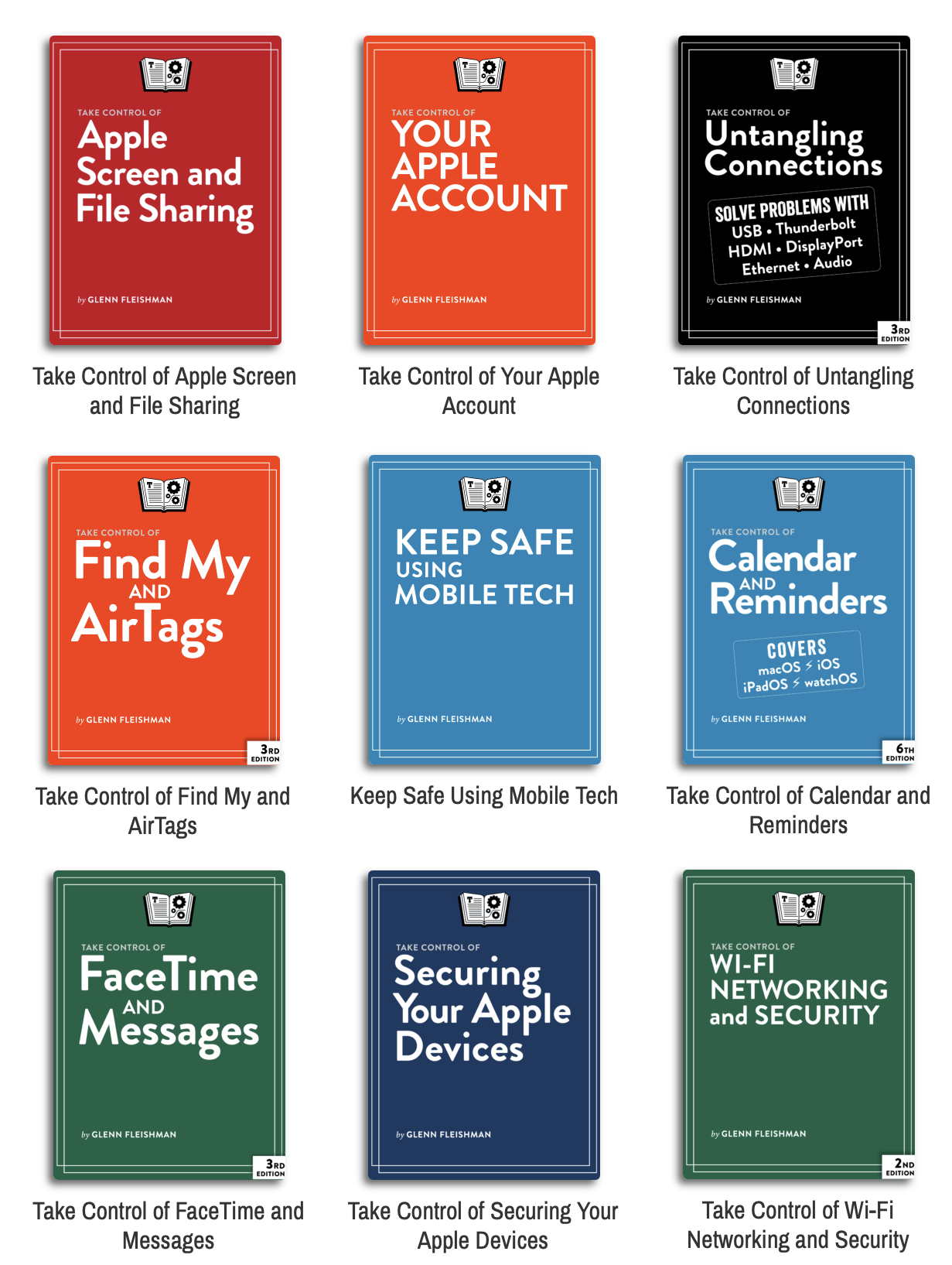
An extended Pi Day sale is currently underway at Take Control Books, an ebook publisher where I have nine active titles. You get 31.4% off all titles; if you own existing books, that discount applies to upgrade pricing, too! No coupon is needed, and the sale lasts until Monday night.

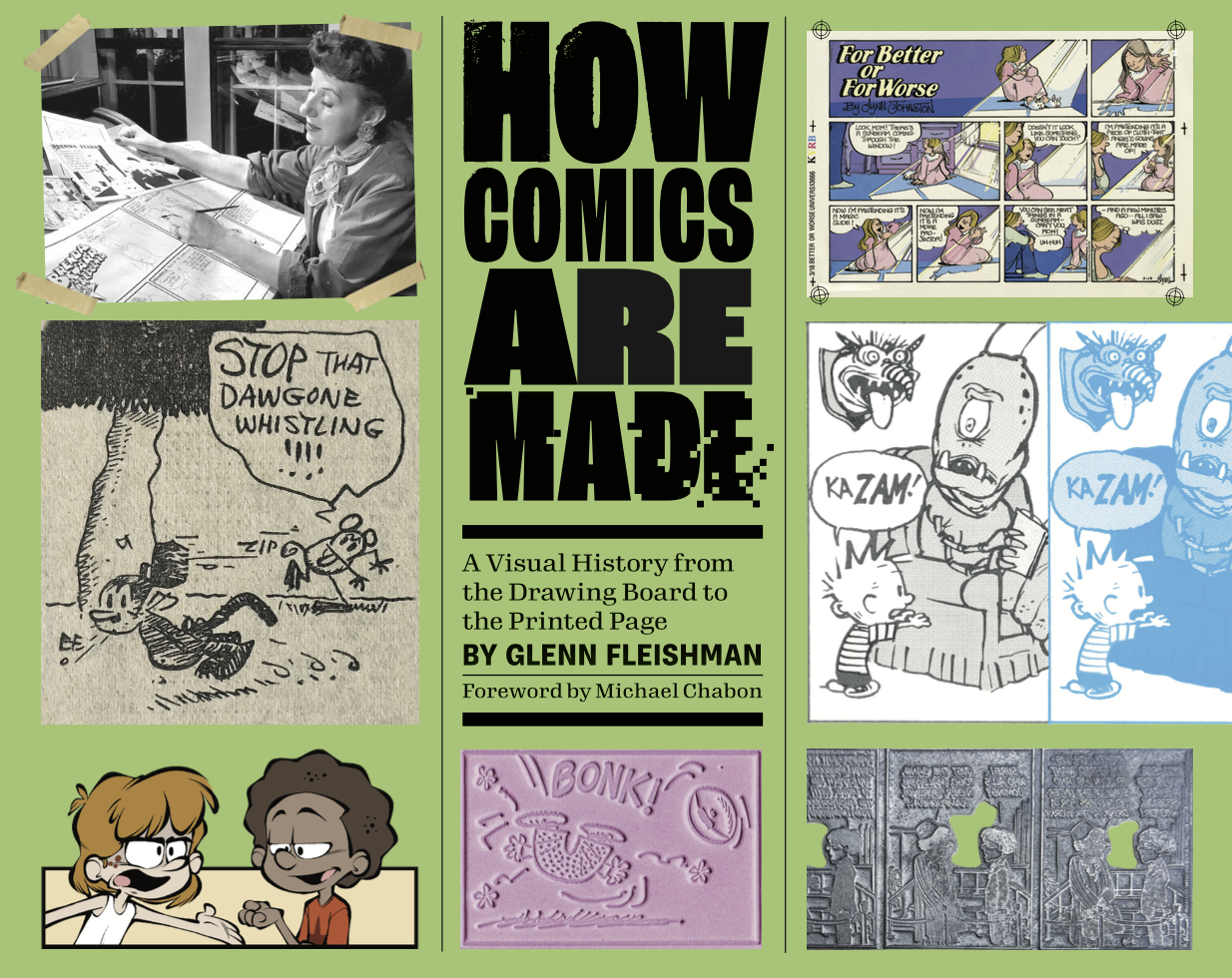
  How Comics Are Made , coming June 3, 2025
How Comics Are Made , coming June 3, 2025

Last week, I finished out sales of my 2024 book How Comics Were Made, a look at the history of newspaper comics production and reproduction. The book was acquired in late 2024 by Andrews McMeel Publishing, which has a new printing (same contents) hitting bookstores June 3, 2025, around the world! You can pre-order a copy today under its new title, How Comics Are Made, from independent bookstores and large ecommerce sites, alike.

Bookselling

A Tense Change in My Book

Wait, tense as in the time indicated by the verb—not as in the action! My book How Comics Were Made has been acquired by Andrews McMeel Publishing and will be issued in a second printing, shipping in June 2025. My Kickstarter edition—which remains for sale while copies last—is a laminated softcover with French flaps. The Andrews McMeel retail version will be a hardcover with a dust jacket—a nice contrast. It will also be sold under the name How Comics Are Made with a refreshed cover to which I updated design elements.

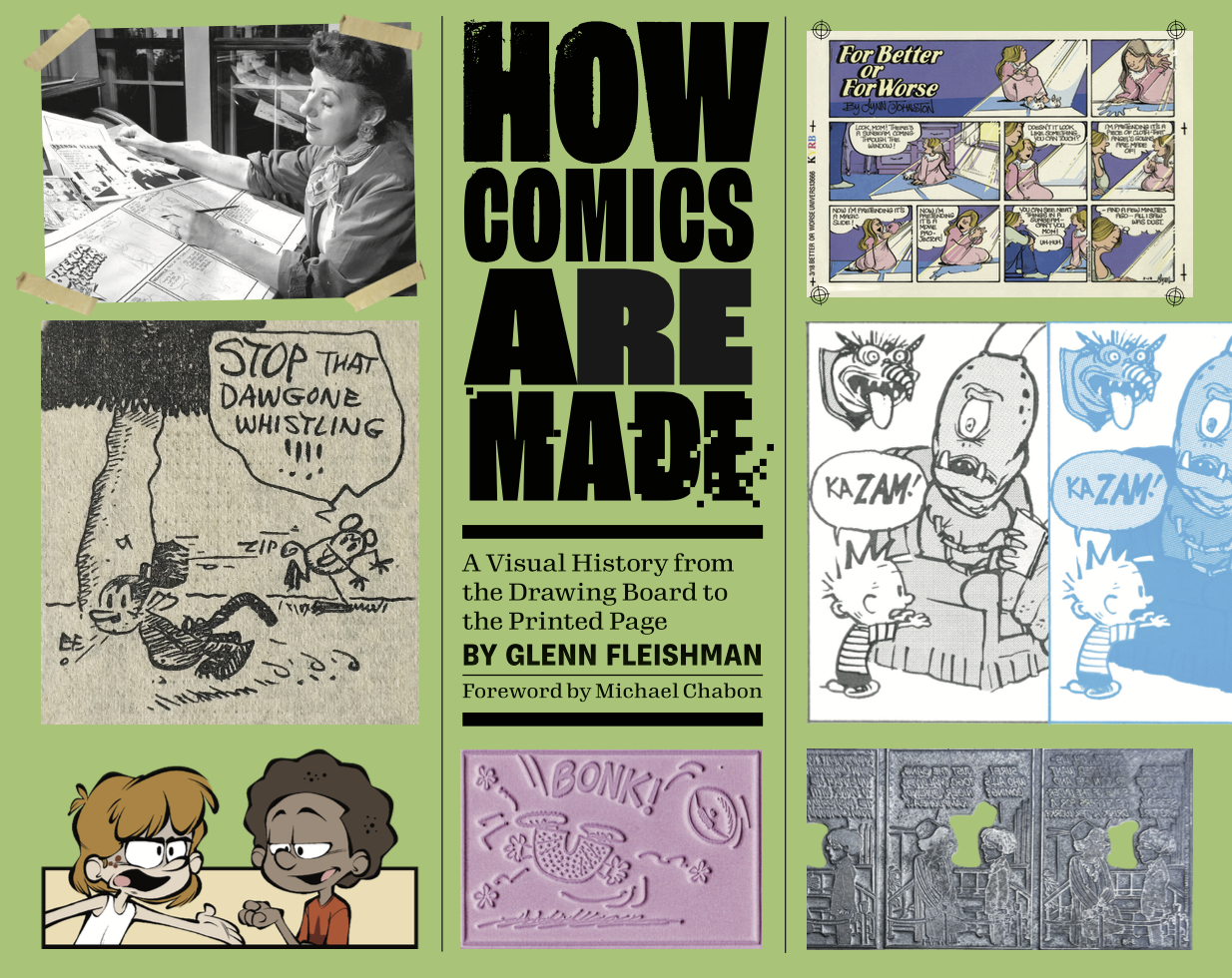
 The new cover of the “trade” edition, available in bookstores in June 2025
The new cover of the “trade” edition, available in bookstores in June 2025

The new printing will have almost exactly the same content but reach a far broader audience. Among other things, Andrews McMeel has international distribution directly and through partnerships, so if you live outside of North America, you’ll be able to get

Design

Panel from the Museum of Printing

It was my distinct pleasure in July to meet in person with Doug Wilson (Linotype: The Film), Jeff Jarvis (media critic, professor, This Week in Google, too many credits to list), and my friend and author-client Marcin Wichary (Shift Happens). We took the occasion of Marcin and I flying through Boston to head up to two weeks on press in Maine to meet at the Museum of Printing in Haverhill, Mass. (say HAYvrill, please!), and Frank Romano, the founder and an incredibly important figure in modern printing history, teaching, and research, was so kind as to invite us to do a panel and interview us.

The video from that is up, split into three 20-minutes pieces. Links are part 1, part 2, and part 3, or you can use the embeds below.

A Press with Paper Sails Traverses the Sea of Ink

Books

A Press with Paper Sails Traverses the Sea of Ink

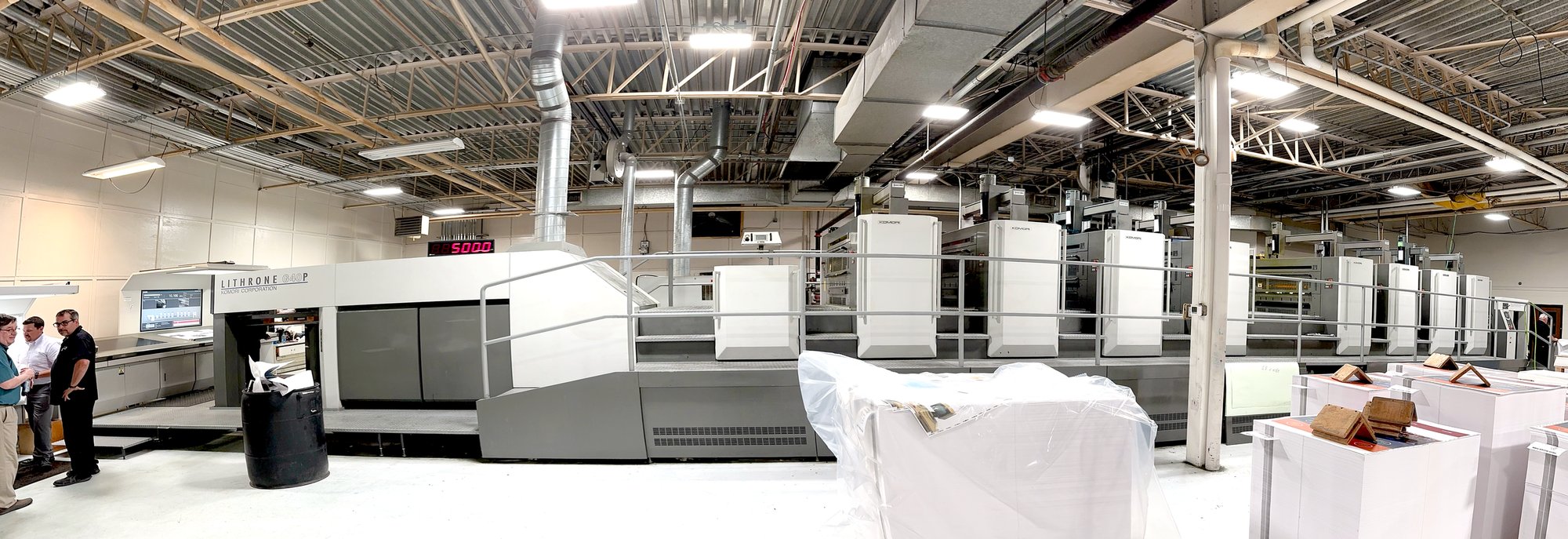
 Eight-unit Komori press at Penmor Lithographers in Lewiston, Maine
Eight-unit Komori press at Penmor Lithographers in Lewiston, Maine

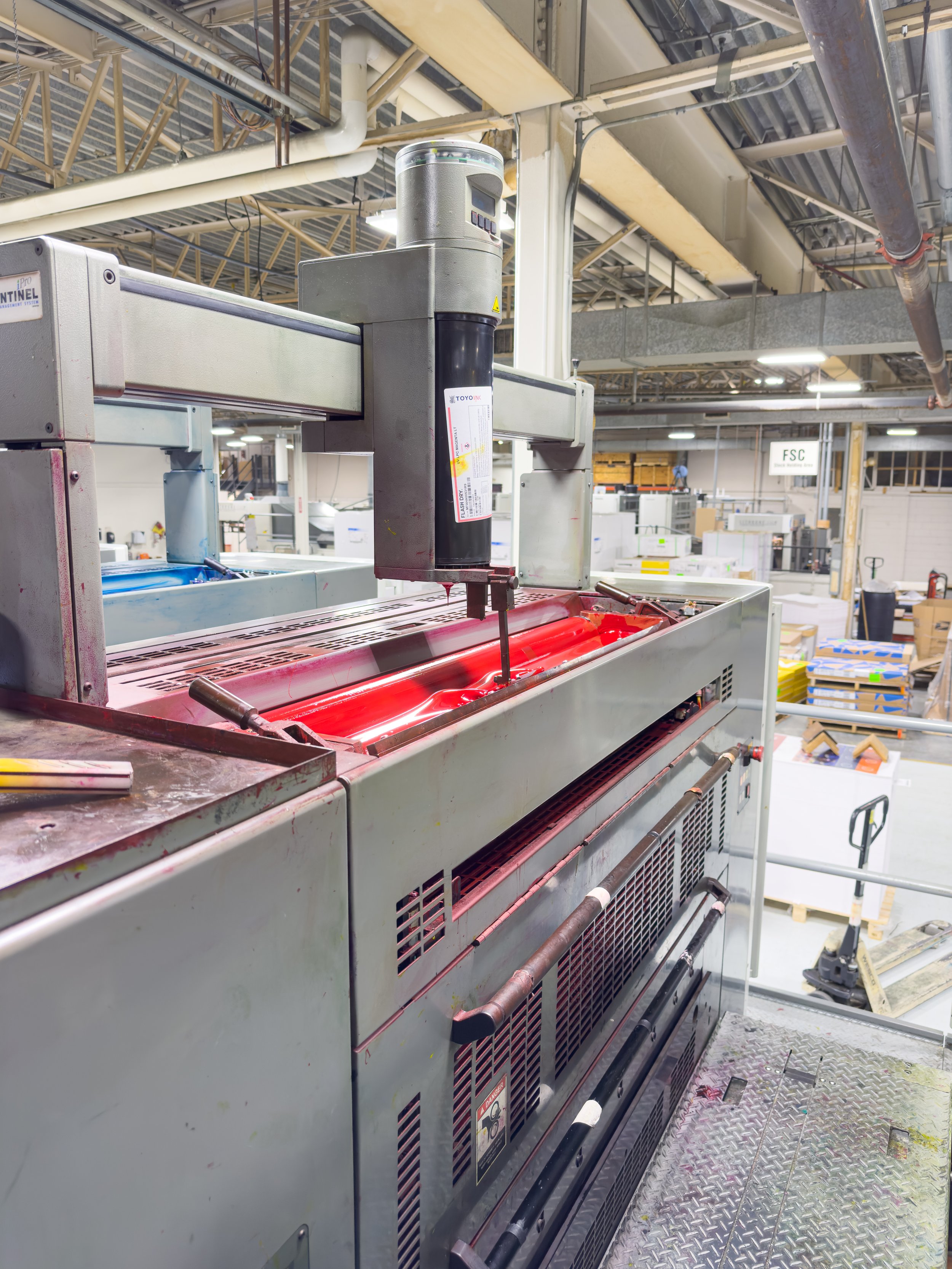
A modern printing press is a thing of wonder. It’s highly automated. It has cameras inside it. There are digital controls for making fine-grained adjustments. A scanner checks color bars as pages are pulled during a print run to make sure the density (amount of ink laid down) remains consistent. A press makes constant course adjustments, and the helmsperson—the press operator—is in constant motion to keep it trim.

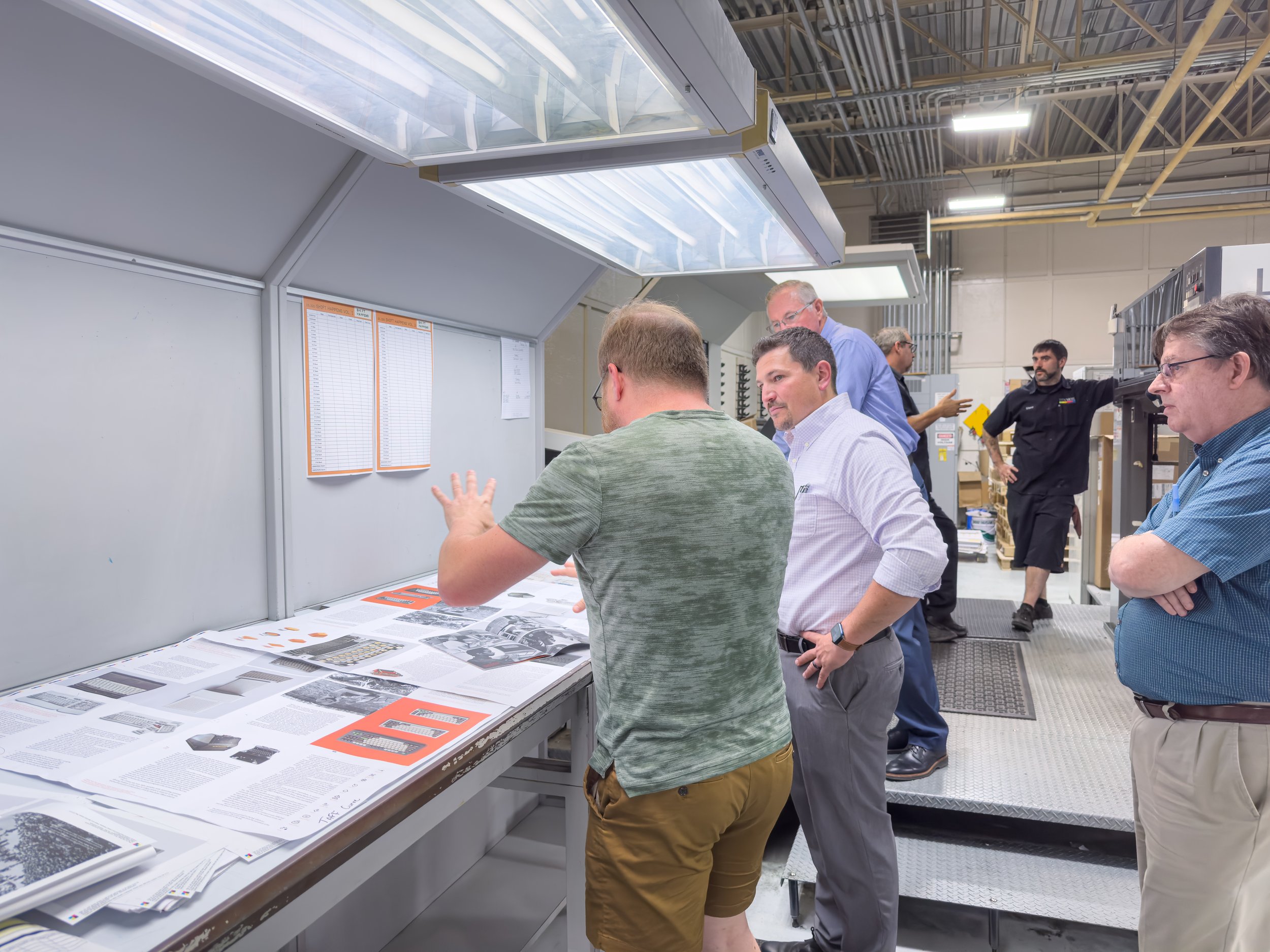
 It takes a crew to staff a press and print a book.
It takes a crew to staff a press and print a book.

I found myself thinking of it like a ship on the first day of a multi-day press check that I’m on with my author client Marcin Wichary for his massive book Shift Happens at our printers, Penmor Lithographers, in Lewiston, Maine. The press is long—maybe 40 feet end to end. At one end, one pressperson feeds

The Proof Is in the Printing

Print

The Proof Is in the Printing

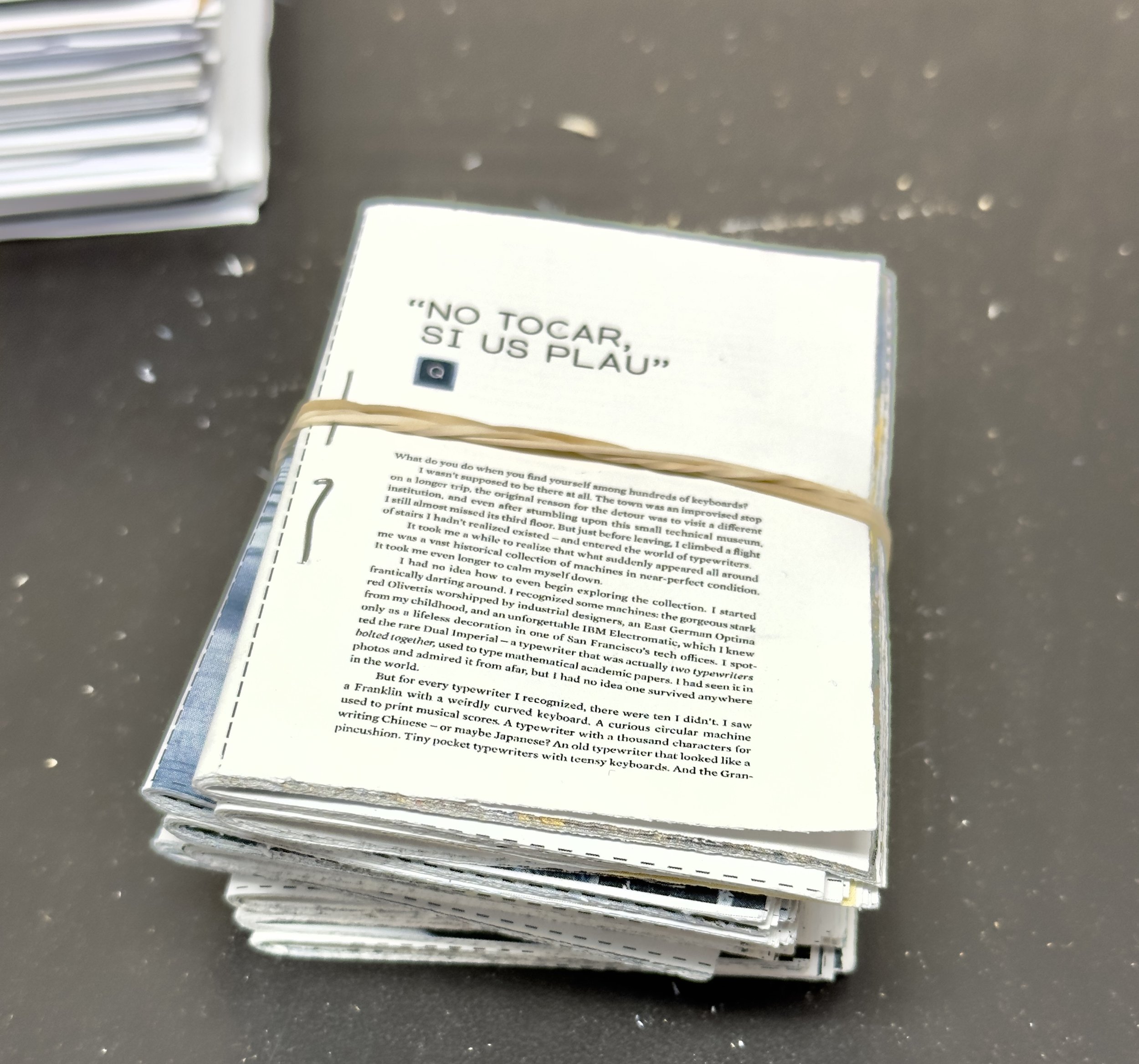
I’m currently in Lewiston, Maine, with Marcin Wichary, the author and designer of Shift Happens. I’ve been his editor and project manager. Having worked with Marcin for years on the text, we shifted into crowdfunding (raising over $750,000) and now into production. After we talked to many printers over a couple of years and received lots of bids, Marcin opted to go with Penmor Lithographics, a company in the United States we knew we could go “on press” with—we could actually travel to them and view the pages as they came off a press.

If he had selected a printer outside the U.S., it might have been more expensive or impossible to do a “press check” like this. We would have entirely relied on a printer rep managing our interests to ensure everything went as desired during the printing process. (We were also concerned about

Cartooning

How Comics Got Their Color

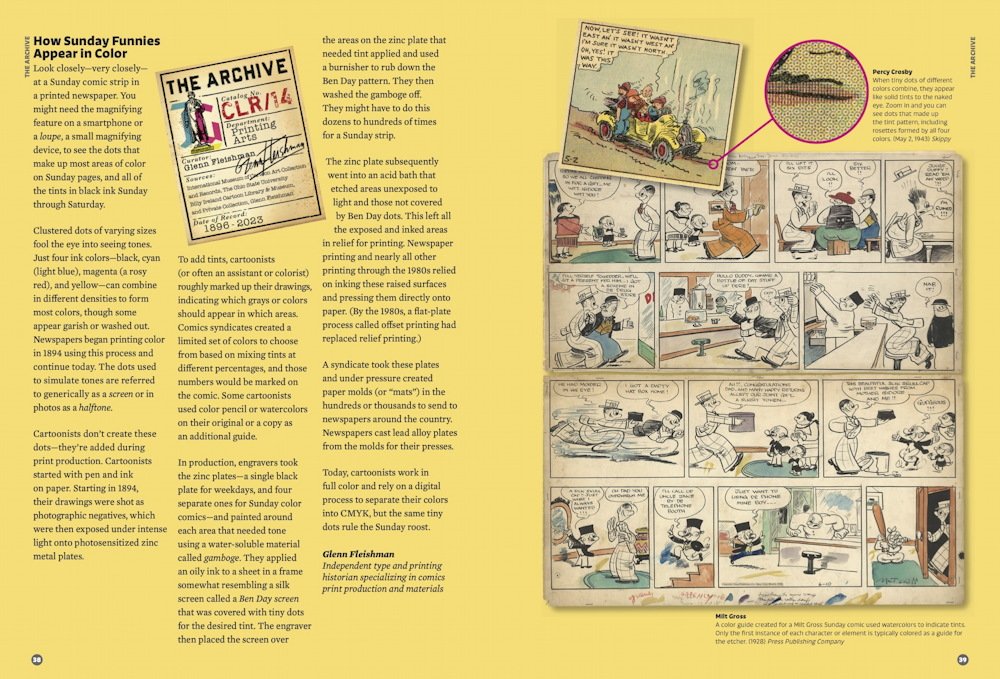
A four-page spread I wrote for The Nib is now available on its website! I explained in words and images how newspaper cartoonists marked color up on their comics for engravers in the printing plant to apply color through a very complicated process in the days of metal printing. I’m at work prepping a book that will go into crowdfunding later in the year that will cover that and a lot more about how comics were made for different eras of printing and the production process that got them on to paper.

 How the article appeared in print—the first of two two-page spreads
How the article appeared in print—the first of two two-page spreads

Cartooning

Meet me in Columbus, Ohio!

In the slight chance a reader of this blog will be in or near Columbus, Ohio, on 22 April 2023, come to the Ohio State University’s Billy Ireland Cartoon Library & Museum. A free-half-day event, the Printing & Papercraft Day, includes yours truly! The 1:30–4:00 pm event starts with an optional guided tour by the curators of the current “Man Saves Comics!” exhibition, celebrating the 25th anniversary of the acquisition of the San Francisco Academy of Comic Art Collection—Bill Blackbeard’s amazing stash.

The event features letterpress printing, paper craft, and me on hand to show artifacts from the library and my own collection that illustrate the process of moving from an artist’s drawing board through the complex printing process all the way to a newspaper or comic-book page. This draws from now years of research plus the work I put into a video

Print

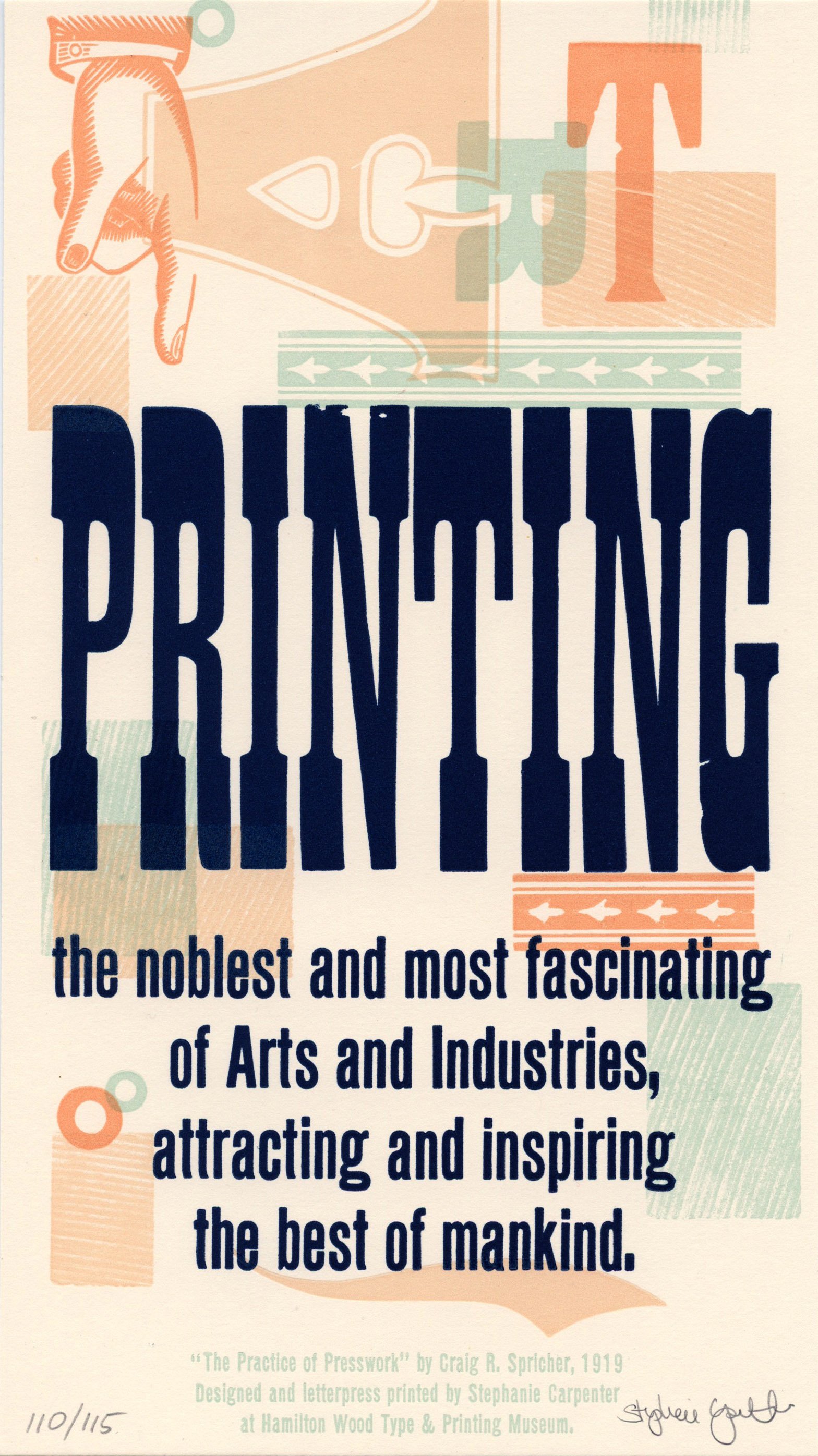
Poster by Stephanie Carpenter from the Tiny Type Museum

With the last Tiny Type Museum & Time Capsule sold in February 2022, I still have a substantial amount of materials and art left from its production. I’ll be making some of this available in the coming months in my online store.

One extraordinary item I have a handful of is a commission. I asked Stephanie Carpenter, an artist, educator, designer, and printer in Wisconsin—and the Assistant Director of the Hamilton Wood Type & Printing Museum—to design and print a small poster that fit within the Tiny Type Museum. Using historic type and presses, Stephanie created the beauty you can see here, a quotation from “The Practice of Presswork.”

You can purchase one of the six remaining prints via this link. Each print is numbered and signed from an edition of 115. № 110 to № 115 remain available. The poster is 9⅜×5¼ inches (237×133mm). Stephanie normally

History

Recent Submissions to the Oxford English Dictionary

I sometimes refer to myself as a reporter with “breaking news from the 19th century!” That “joke” is because I have spent my working life as a journalist but am now in the middle of a multi-year-or-longer transition into researching and writing as a historian. I try to bring the same immediacy and excitement about current developments to what I learn—when it’s new or forgotten—from the past.

This exploration led me recently to uncover some earlier citations of several words than those noted in the Oxford English Dictionary. The publication’s founding principle was to solicit “user submissions” of citations, yet the current process is a one-way form: it asks for our information but there’s no place to drop an email address or receive any feedback. This seems unfortunate. I’ve sent the latest entries off via an email address they have, though they promise no