Glog

printing history

3D printing

Matrix Replicas Available for Order

The shipping is now complete for the Monotype Electro Type Matrix: 3D Model and 3D Print Kickstarter project, and I’ve made the 3D printed matrices available for general purchase!

If you were part of the Kickstarter project and pledged at a reward level that included a physical reward, it was mailed to you yesterday or today.
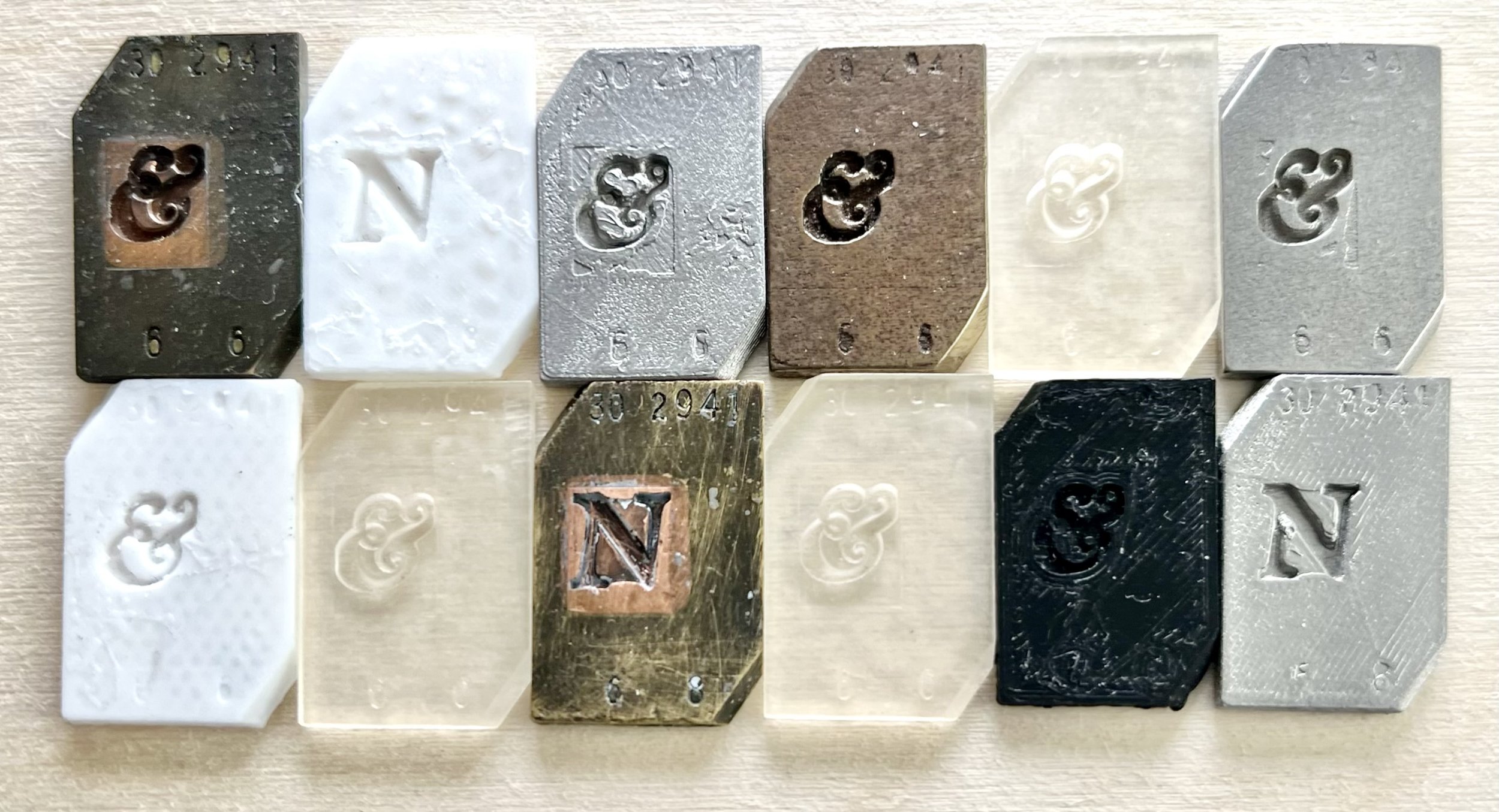
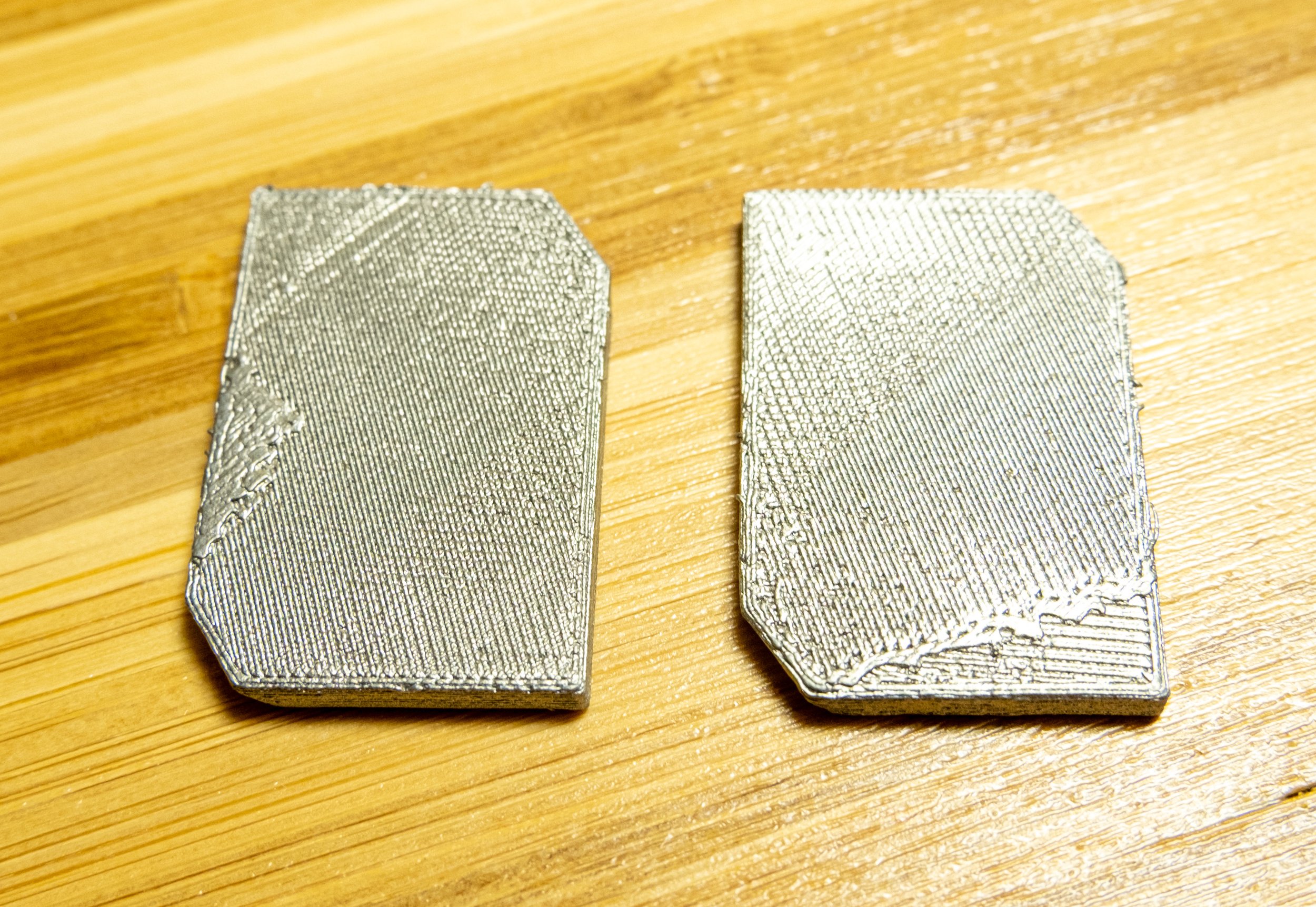
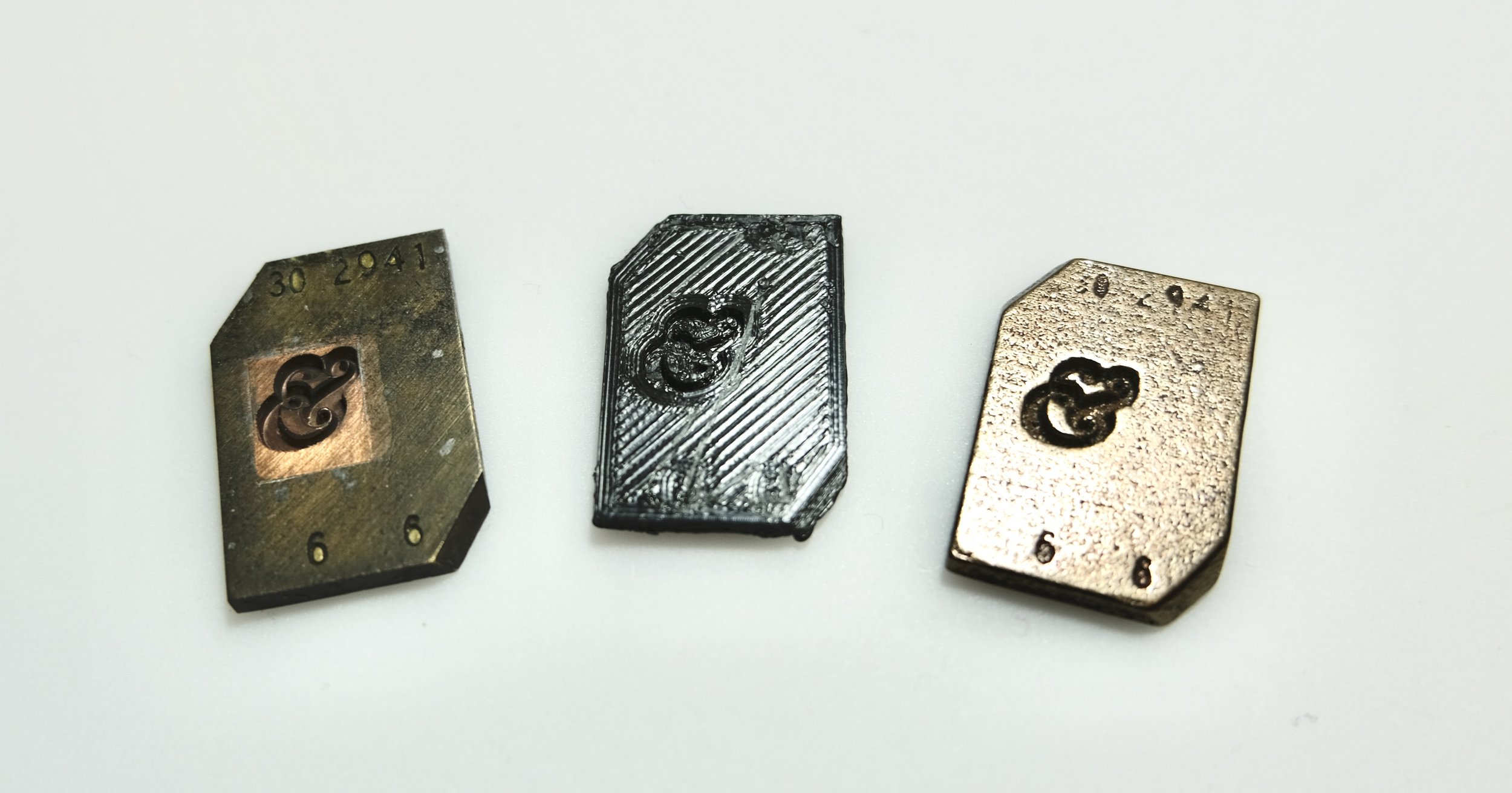
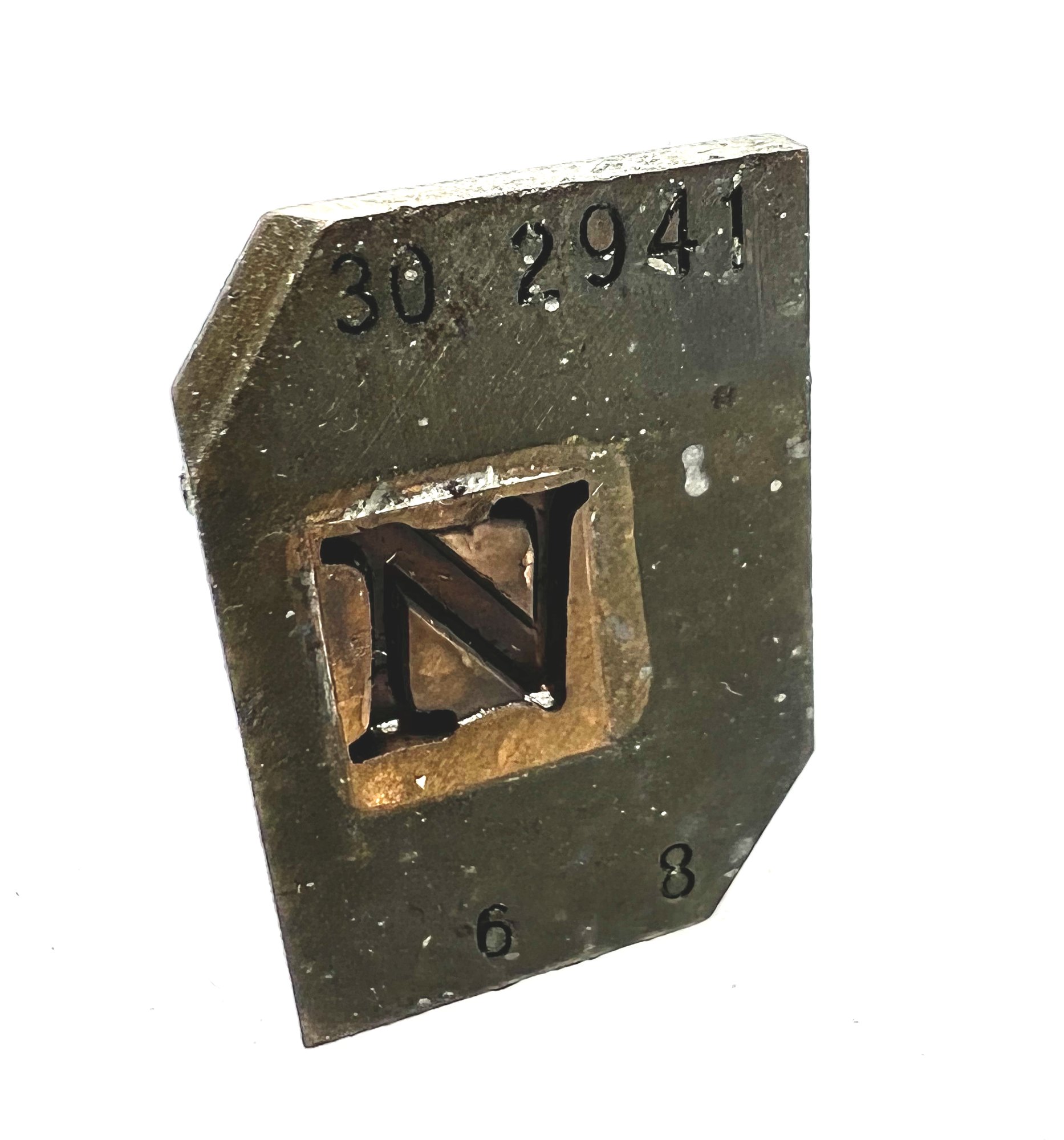
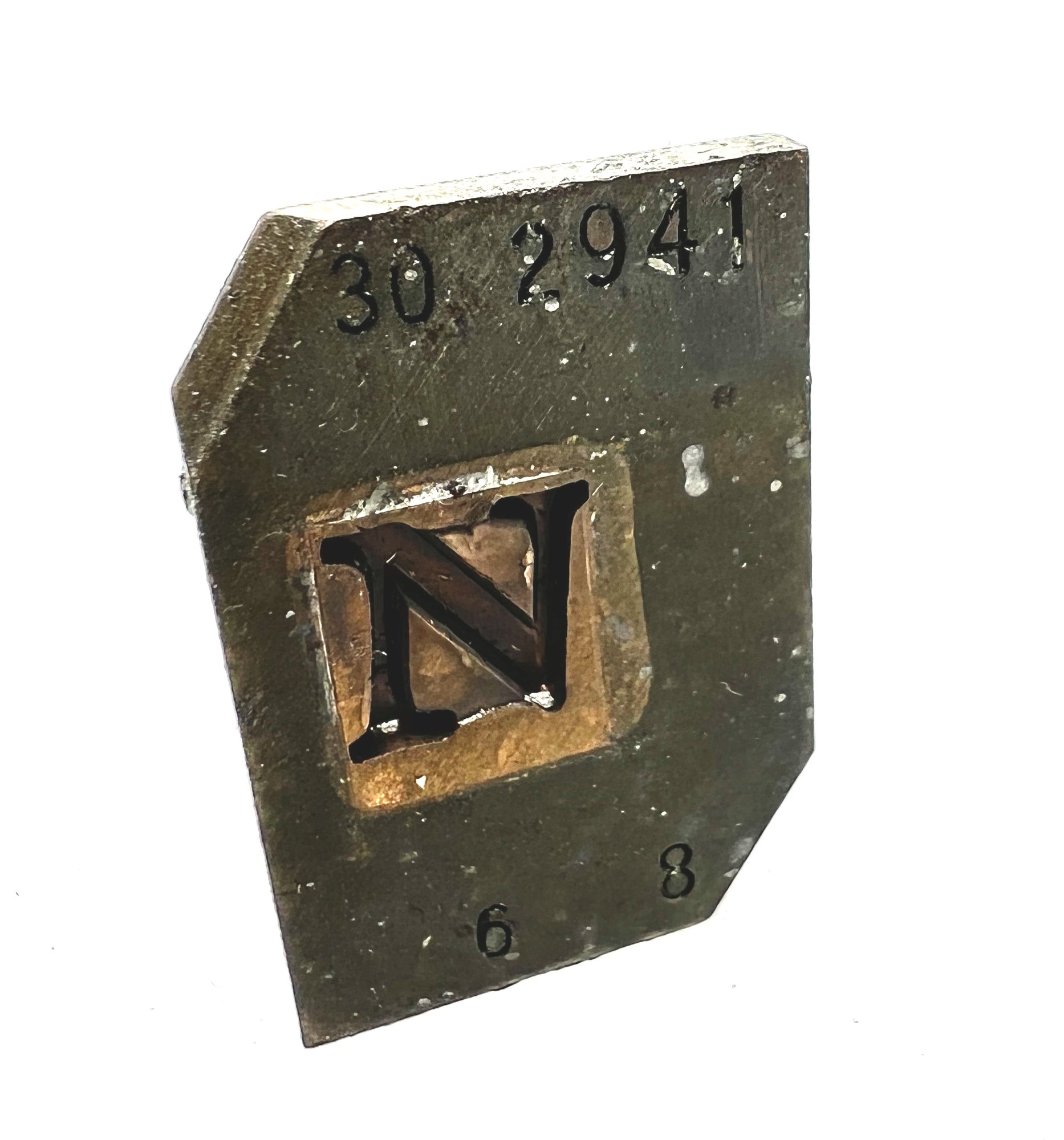
 An array of test 3D prints in varying materials and at different service bureaus along with the two original matrices.
An array of test 3D prints in varying materials and at different service bureaus along with the two original matrices.
Dennis Duncan and Paula Clarke Bain on Indexing

printing history

Dennis Duncan and Paula Clarke Bain on Indexing

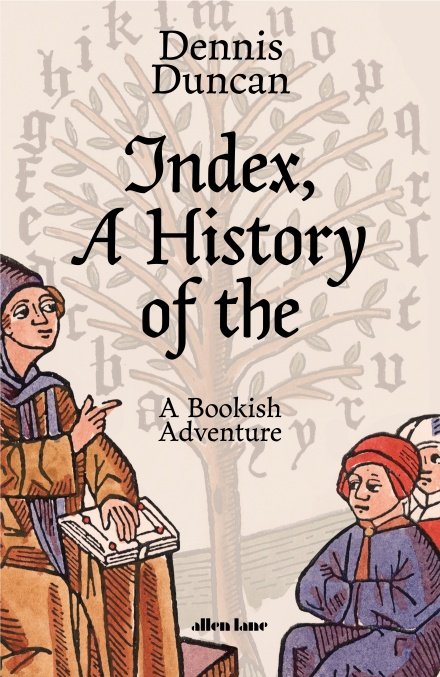
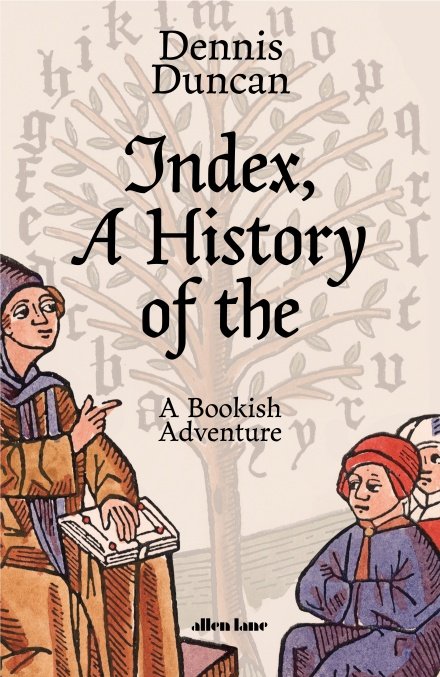
On this episode of the Tiny Typecast, we talk about indexes with the author of the book Index, a History of the, Dennis Duncan, and its indexer, Paula Clarke Bain. Modern indexes date back eight centuries, and Dennis’s book takes us from the beginning to the present. Paula has worked for over 15 years as a professional indexer and produced nearly 900 indexes. She explains her working methods and the value of an index to the reader—and as an element of a book’s appeal.

This episode is sponsored by my book Six Centuries of Type & Printing. Find out more about the book and read an excerpt.

Subscribe to the podcast feed directly via this link, via iTunes, or any podcasting app.

 Dennis Duncan
Dennis Duncan

Dennis is a writer, translator, and lecturer in English at University College London, and the author also of Book Parts. He has appeared

typography

3D Metal Filament Printing

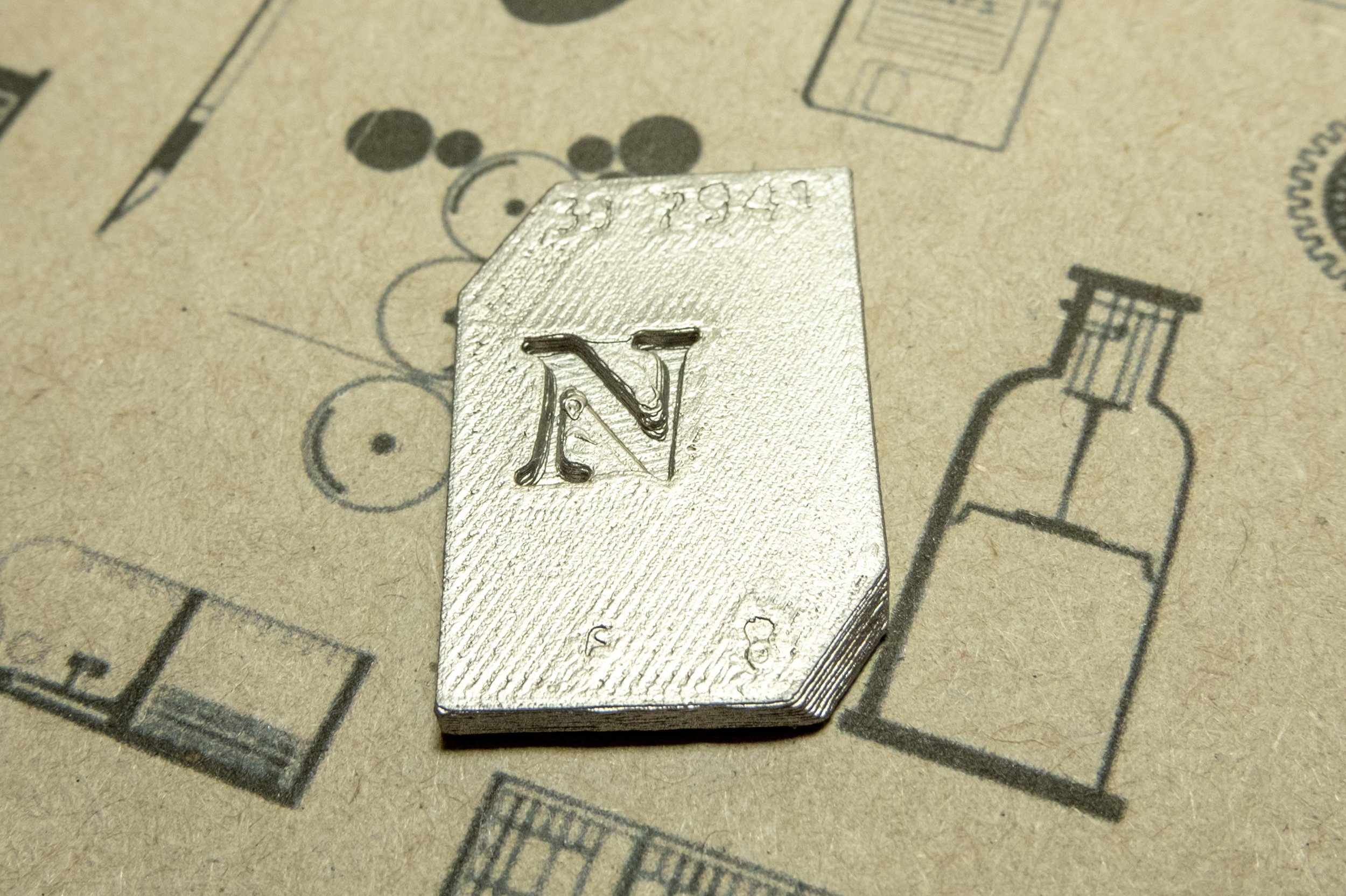
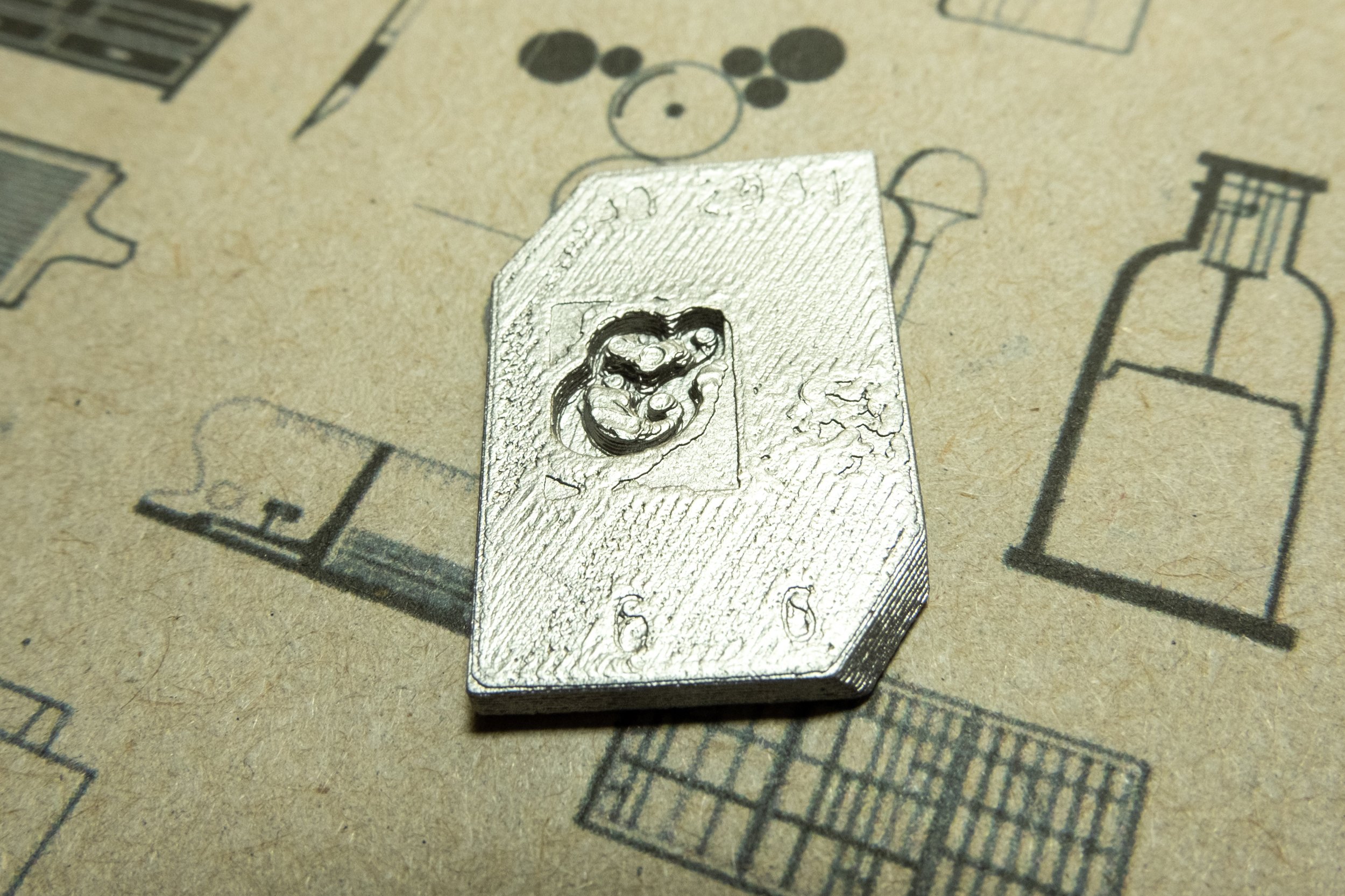
I sent the two 3D models off to Sculpteo to test what metal filament printing looks like, but the resolution and detail are too coarse. Still, an interesting test to make. More test prints off being made now in other materials.

printing history

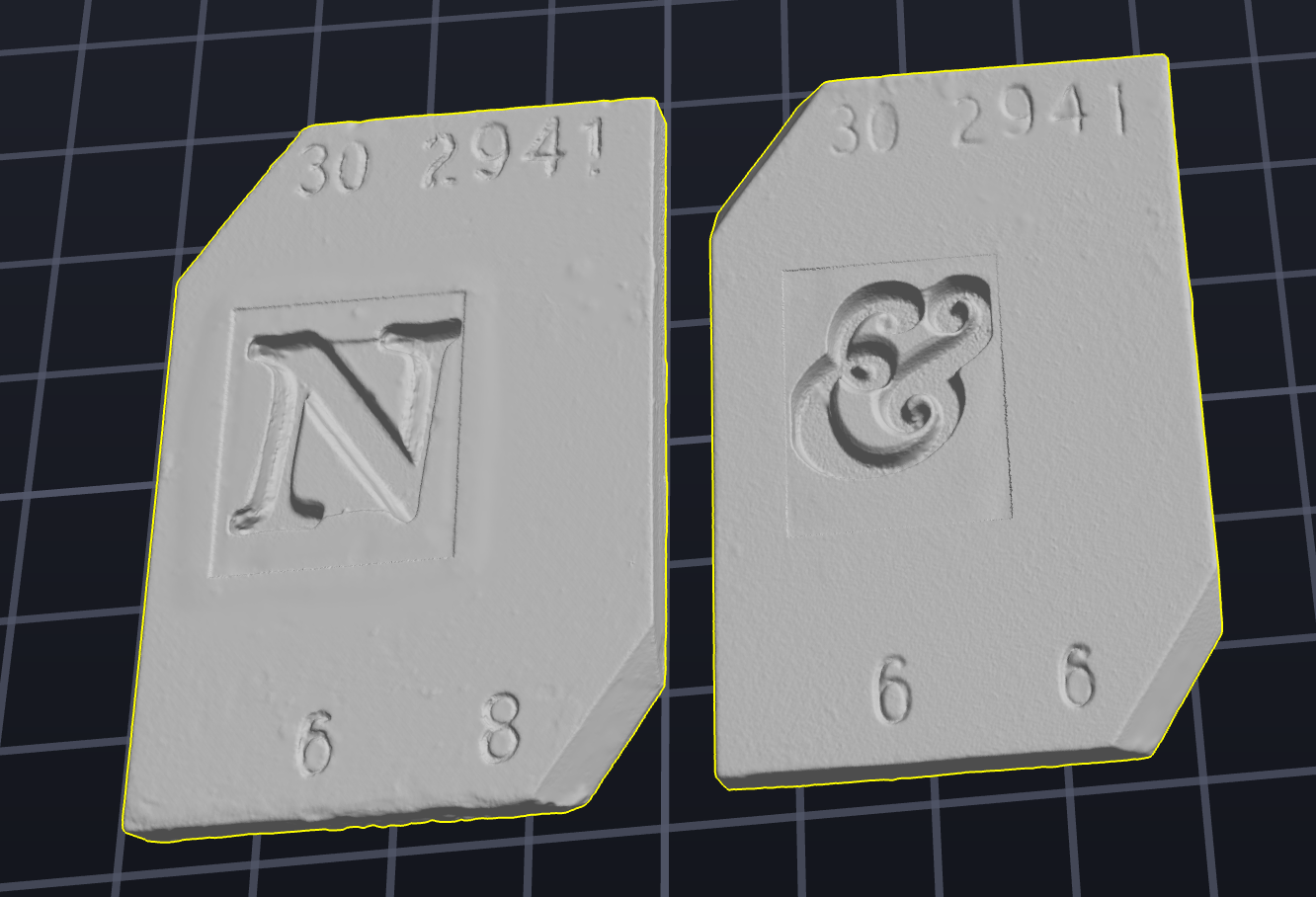
Finished 3D Models

With the help of a backer of the campaign, I connected with a 3D sculptor who was able to perform the finishing work necessary on the 3D scans. What a relief! (Literally: this are relief objects.)

Here’s what the cleaned up scans look like in a 3D printer’s slicing software.

I’ve proofed these scans on my personal 3D printer and have just sent them out to a service bureau to confirm they print as expected. Once I have those in hand and have finalized pricing, I’ll make pre-orders available for those who didn’t participate in the Kickstarter campaign.

typography

Progress on Type Matrix

An update on the Monotype Electro Display Matrix 3D Scanning and Printing project!

Everyone is busy, let me tell you that. I received two 3D scans of Electro Display Matrices back in November, printed and received service bureau 3D prints in December and talked with one of the scanners about brass casting, and then stalled through a combination of software trouble and busy 3D sculptors. (The former: AutoDesk Fusion 360 isn’t updated for Apple M1 processors, and the operations I need to refine the scans “beachball” the cursor; the latter: people with 3D skills are absolutely in high demand.)

But I hope to break the logjam soon, deliver the 3D model files that are part of the project, and then move into the 3D printing phase—and maybe some brass casting. Once I have the Kickstarter campaign fulfilled, I’ll often matrices for sale here as well.

 Left to right: Original Monotype matrix, low-res 3D PLA print, high-res metal 3D print
Left to

type history

Funded! 3D Modeling and Printing a Historic Type Matrix

Thanks to a few dozen people, my brief and modest campaign for creating a detailed model of a Monotype Electro Display Matrix and producing 3D prints—and widely distributing a digital 3D model file for study and reproduction—has funded just now!

I’ll be posting updates to the campaign over the next few weeks and months as it moves along in phases. I’ve already sent out two matrices, one to each of two 3D scanning/modeling firms, for them to create the preliminary model that I can use for testing and refinement, or, if lucky, for the final 3D print!

You can follow along at this blog. If you want updates delivered, subscribe to its posts via email or via RSS.

A 19th Century 3D Printer: an Audiobook Chapter

printing history

A 19th Century 3D Printer: an Audiobook Chapter

Electrotyping was the 3D printing of its day. An electro-chemical process that deposited dissolved copper or other metals onto a prepared object, it effectively allowed creating exact duplicates of a page of type to create a durable printing plate, or to produce a mold (a “matrix”) from type punches or existing pieces of type. This allowed foundries to expand typeface production dramatically, allowing far easier creation of the master forms from which matrices were made—and enabled piracy.

In this episode of the Tiny Typecast, there’s no interview—just me reading a chapter on electrotyping, “A 19th Century 3D Printer,” from my book Six Centuries of Type & Printing. I picked this chapter as I am currently raising funds related to electrotyping on Kickstarter: I have an active campaign through 18 November 2021 to underwrite creating a detailed digital 3D model of a Monotype Electro Display Matrix, a mold

The Tiny Type Studio

printing history

The Tiny Type Studio

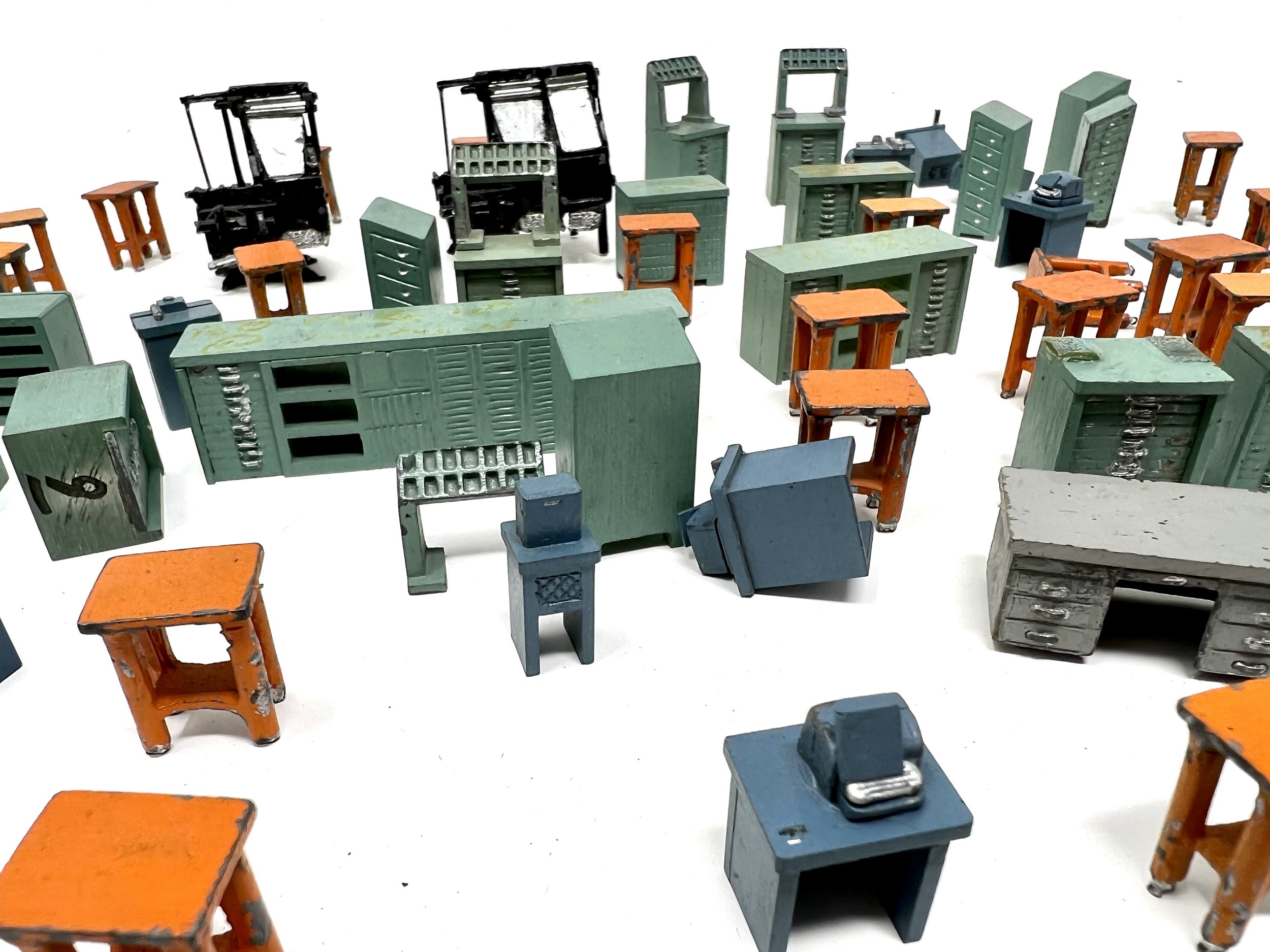
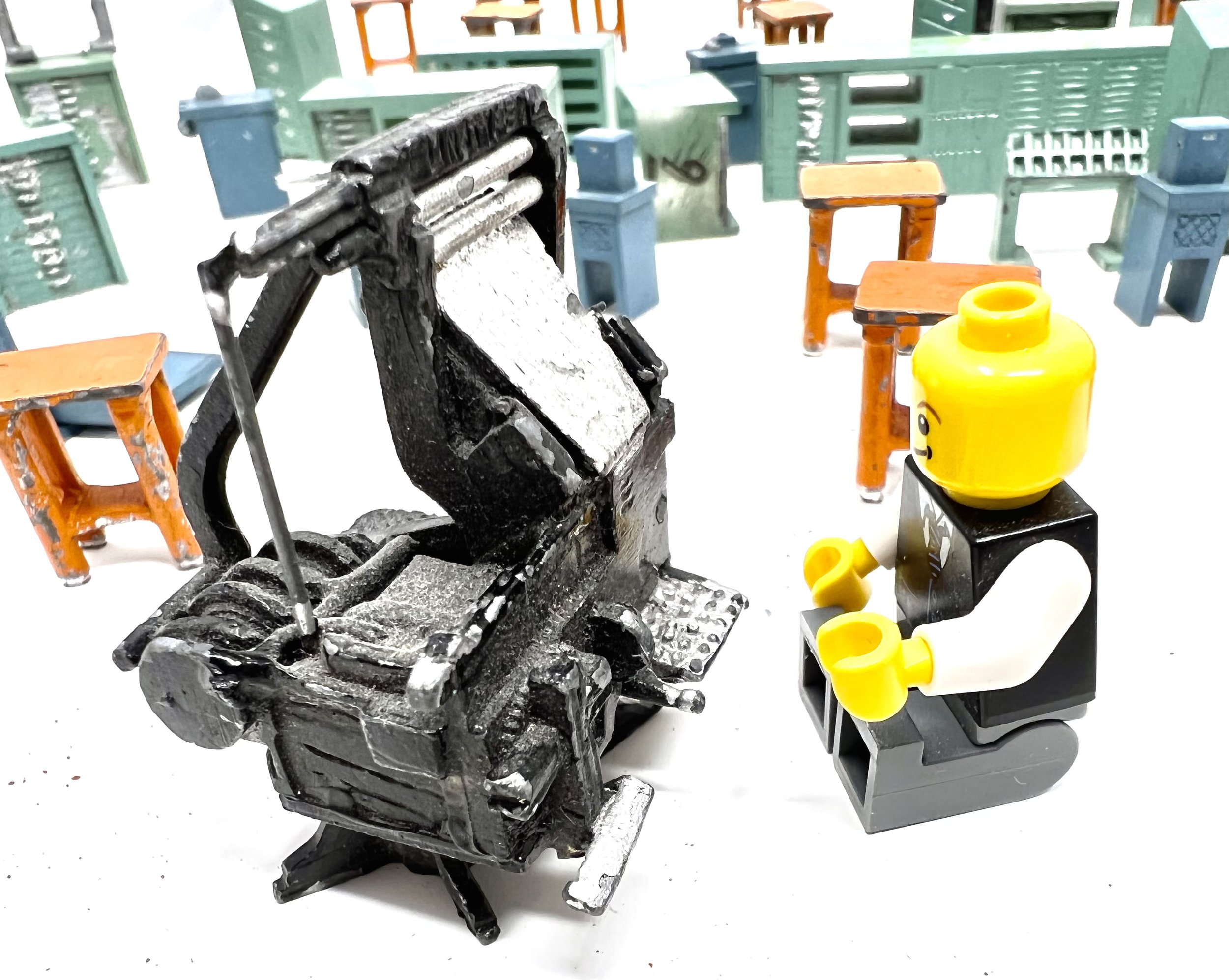
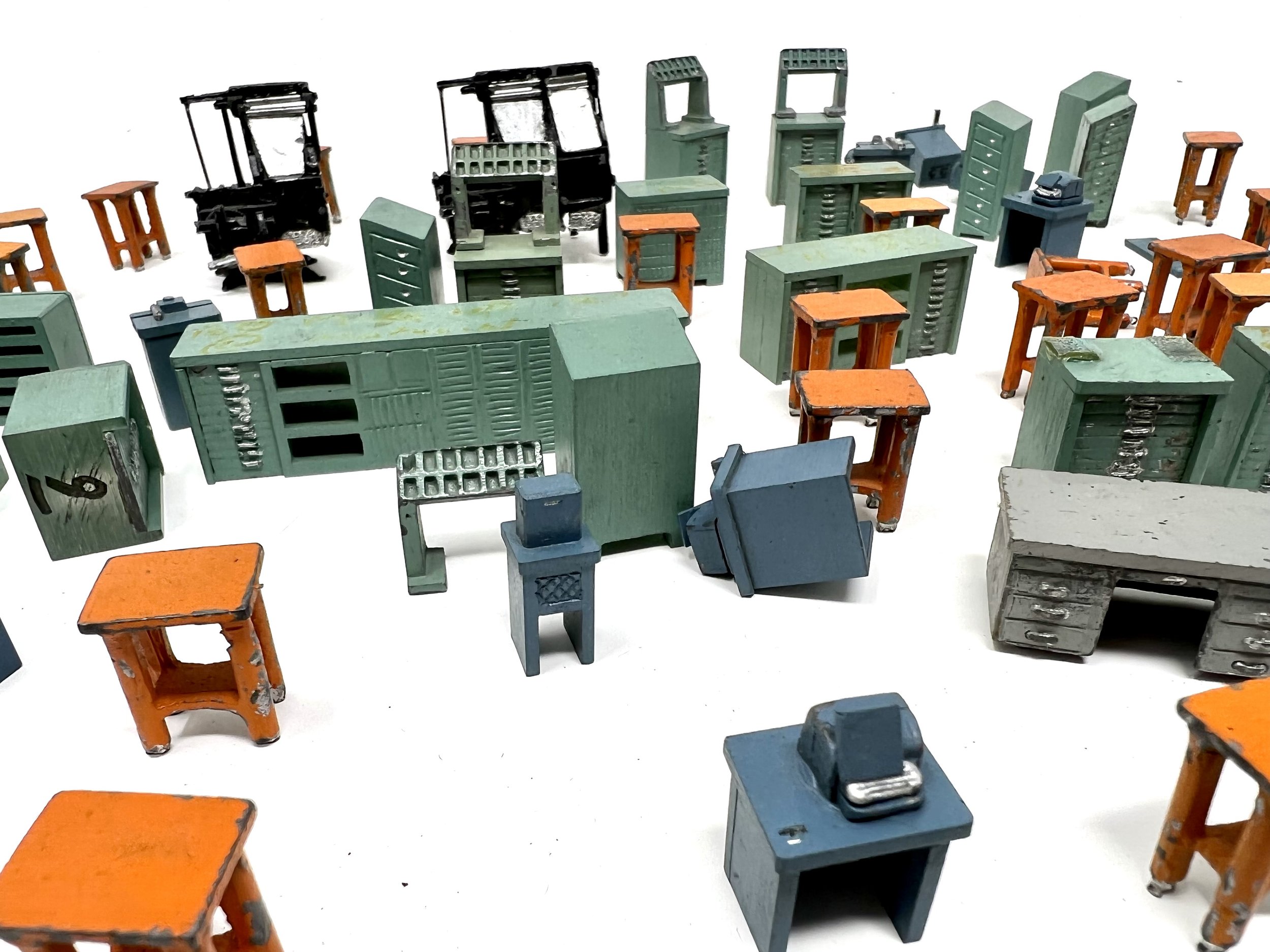
Shouldn’t a Tiny Type Museum have a perfect accompaniment? The tiny type shop? From the depths of time and an estate sale in Illinois mediated by its appearance on eBay comes this remarkable set of type miniatures made of wood, plastic, and metal! I was enthralled the second I saw them. The seller had no information beyond the state he bought them in; I can’t find anything like this described…anywhere! Perhaps made from scratch? Perhaps for composition-room layout planning?

Live Flong Party! A Show and Tell of Printing History

printing history

Live Flong Party! A Show and Tell of Printing History

Updated: The event was a great success and all the live streaming worked as hoped. You can watch the replay at YouTube or via the embedded video below.


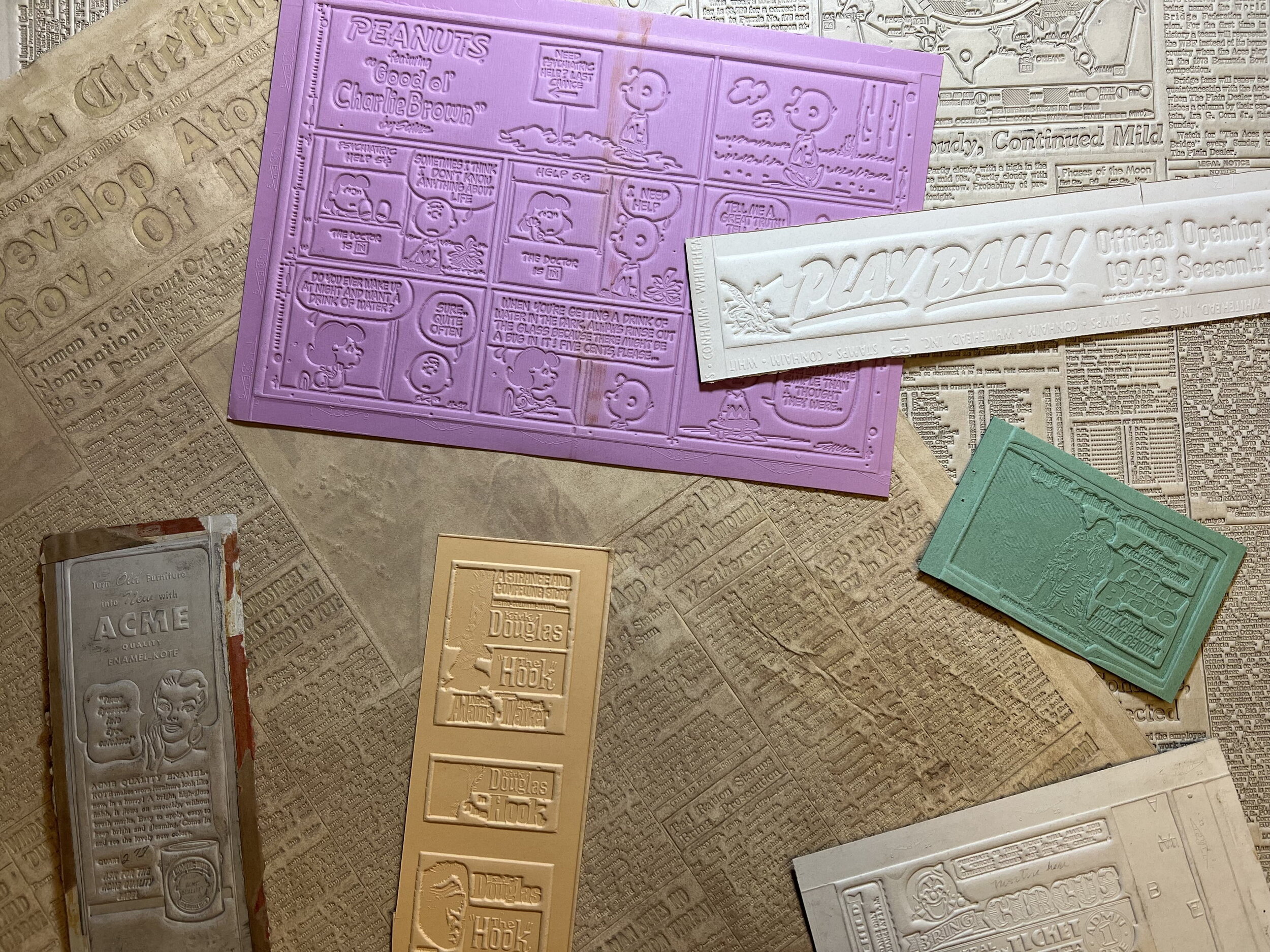
At 9 am Pacific on Saturday, October 16, I and a few other print historians and collectors will show off some of our sets of flongs, printing molds used for much of the 18th century and through the 1980s for syndicating comics, shipping out ads, and making full metal plates for newspaper printing, among other purposes. Flong is mostly forgotten, and I aim to fix that!

Attend live and ask questions via this YouTube link; click through and you can have YouTube send a reminder when the event time is close. This one-hour informal show-and-tell will be archived, too.

And it may be repeated: I had more people who want to show their flong than time in this first outing.

Phil Abel & Nick Gill, Two UK Printers Across an Era

printing history

Phil Abel & Nick Gill, Two UK Printers Across an Era

 Phil Abel
Phil Abel

Phil Abel is a letterpress printer in London, who started his Hand and Eye Press in 1985 with a modest array of printing gear on the road towards his current set up with Heidelberg presses, and the ability to use both metal and wood type and produce modern photopolymer plates in house. He produces limited-edition fine-art books and we’ll talk about the album business.

Nick Gill worked for Phil, and eventually acquired his Monotype hot-metal casting gear to form Effra Press in North Yorkshire, England, where he and his wife are raising their children. Effra is one of the few remaining typefounders in the world. Nick trained at the Type Archive’s Monotype Hot-Metal Ltd operation, learning how to cut Monotype punches and matrices from Parminder Kumar Rajput, the only person ever learned all the jobs in the plant at the Monotype factory. Nick is also a

Daniel Schneider, Industrial Archeologist

printing history

Daniel Schneider, Industrial Archeologist

Daniel Schneider (Instagram: rustedrebar) is a letterpress printer with an undergraduate degree in journalism and a master’s in industrial archeology, a field I am dying to talk to him about. His research has centered on the transformation of nineteenth century artisanal skills within the context of industrialization. He is the Headquarters Manager for the Society for Industrial Archeology at the Michigan Technological University, which is where he earned his master’s.

We discussed his master’s work “excavating” the function of a wood-border stamping machine at the Hamilton Wood Type & Printing Museum and, more generally, how we retain and recover industrial knowledge to understand how things worked in the past. Daniel’s work considers the worker’s role in industrial production, considering the transition of work from craft to repetitive low-skill production.

Daniel provided photos from his work that appear at the end of this post.

audio-thumbnail
Daniel Schneider,

type history

Grendl Löfkvist, a Blackletter Aficionado and Printer

Grendl Löfkvist is a calligrapher, letterpress printer, and former offset press operator, and the education director at Letterform Archive in San Francisco, California. She teaches extensively, including at the City College of San Francisco, at the San Francisco Center for the Book, in the Type West postgraduate certificate program, and at typographic events all over. Her areas of expertise include the history of graphic design, book arts, typography, and letterpress.

This episode “sponsored” by Six Centuries of Type & Printing! Get a discount off your purchase of the book by listening to this episode’s introduction for a coupon code.

Subscribe to the podcast feed directly via this link, via iTunes, or any podcasting app.

audio-thumbnail
Grendl Löfkvist, Printer, Calligrapher, and Educator
0:00
/0:00

Notes from this episode