Glog

typography

typography

3D Metal Filament Printing

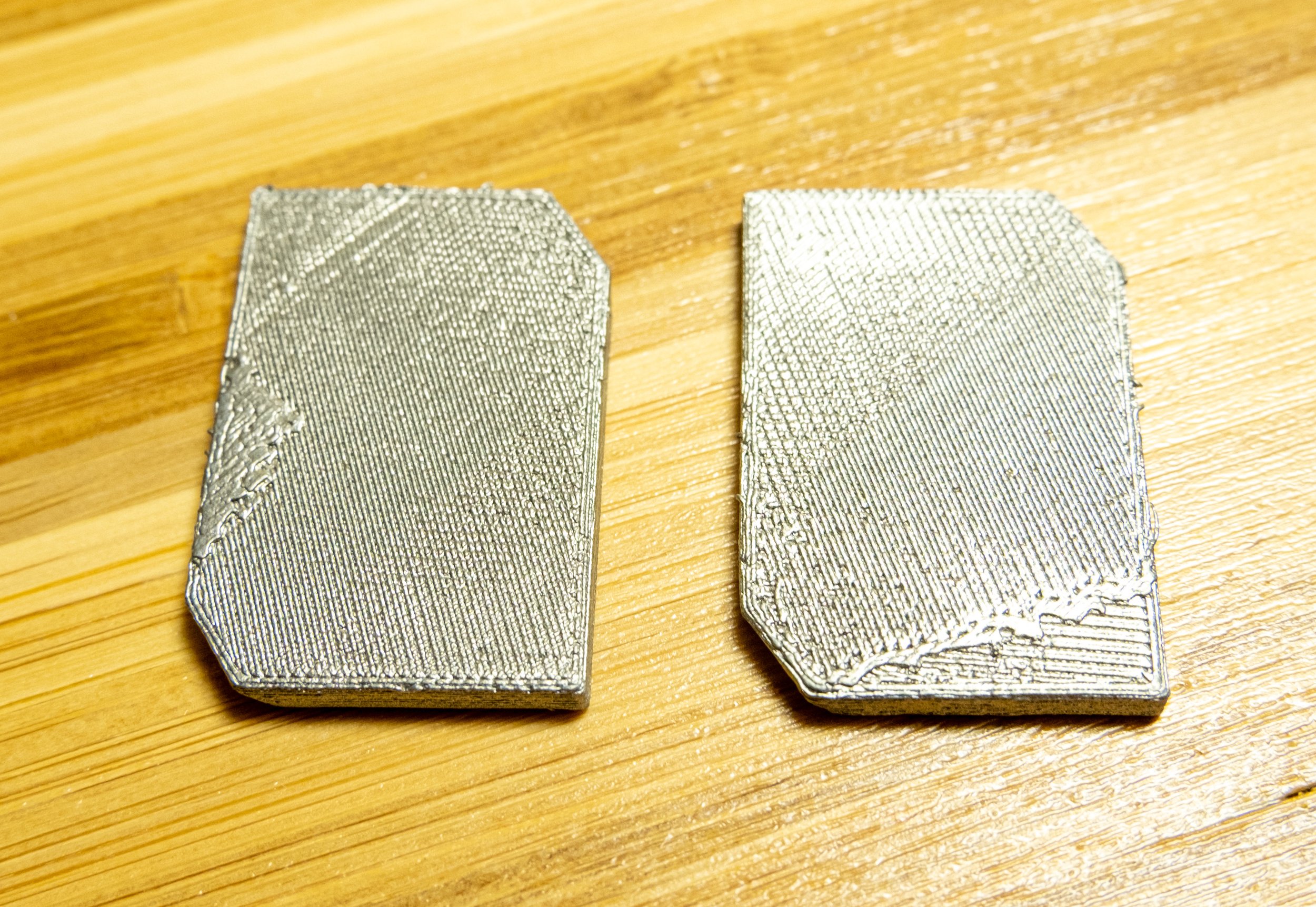
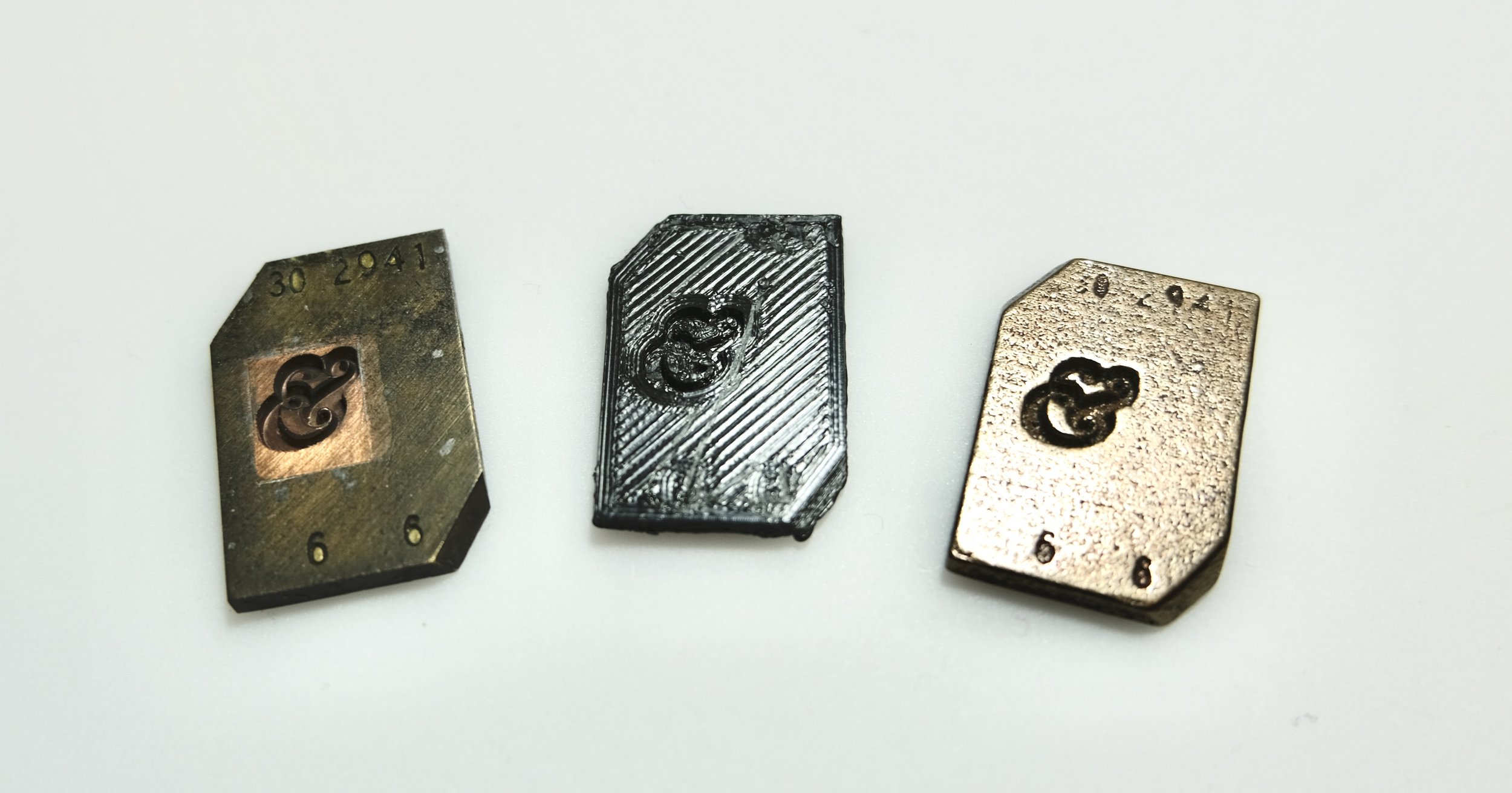
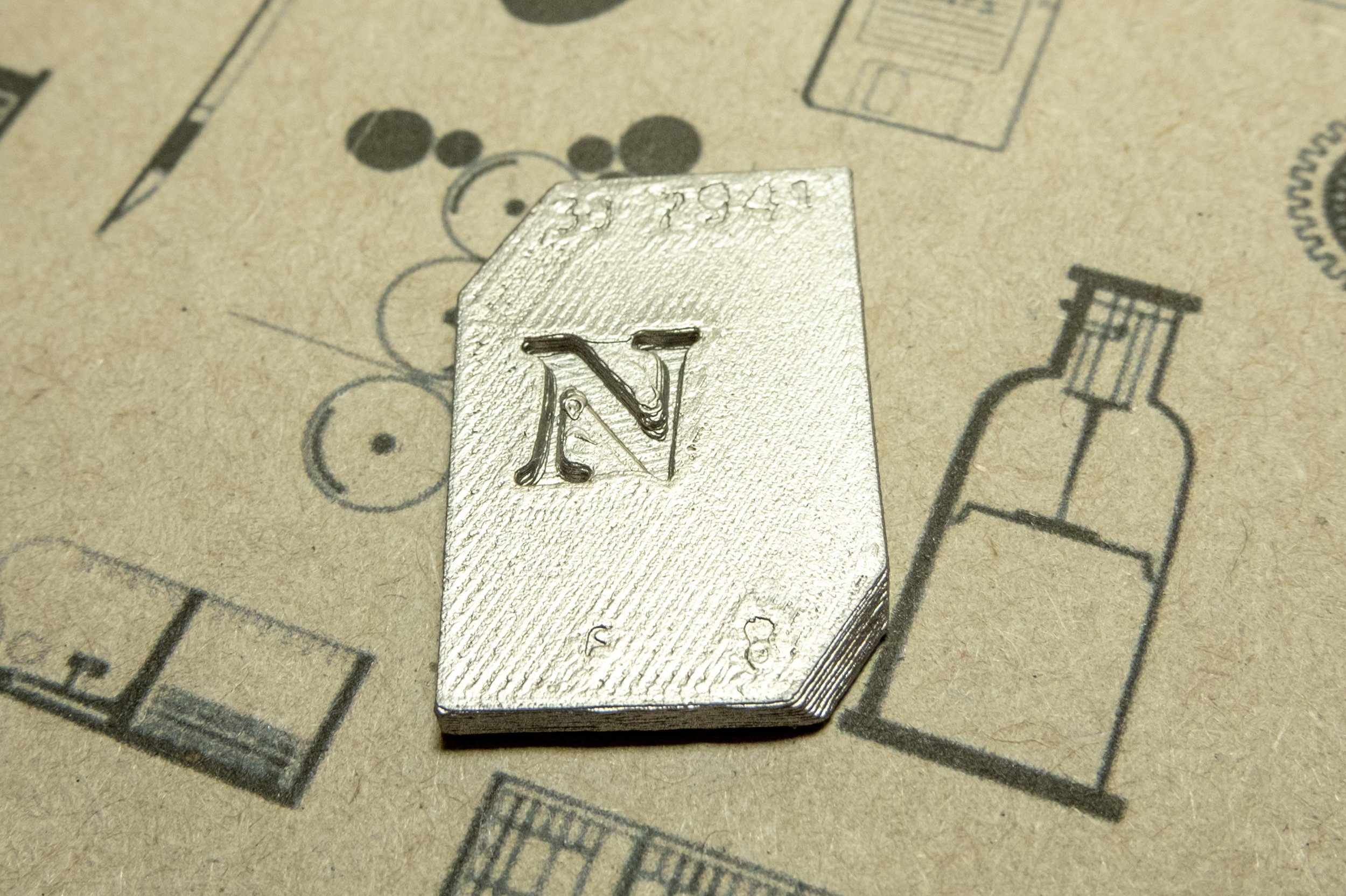
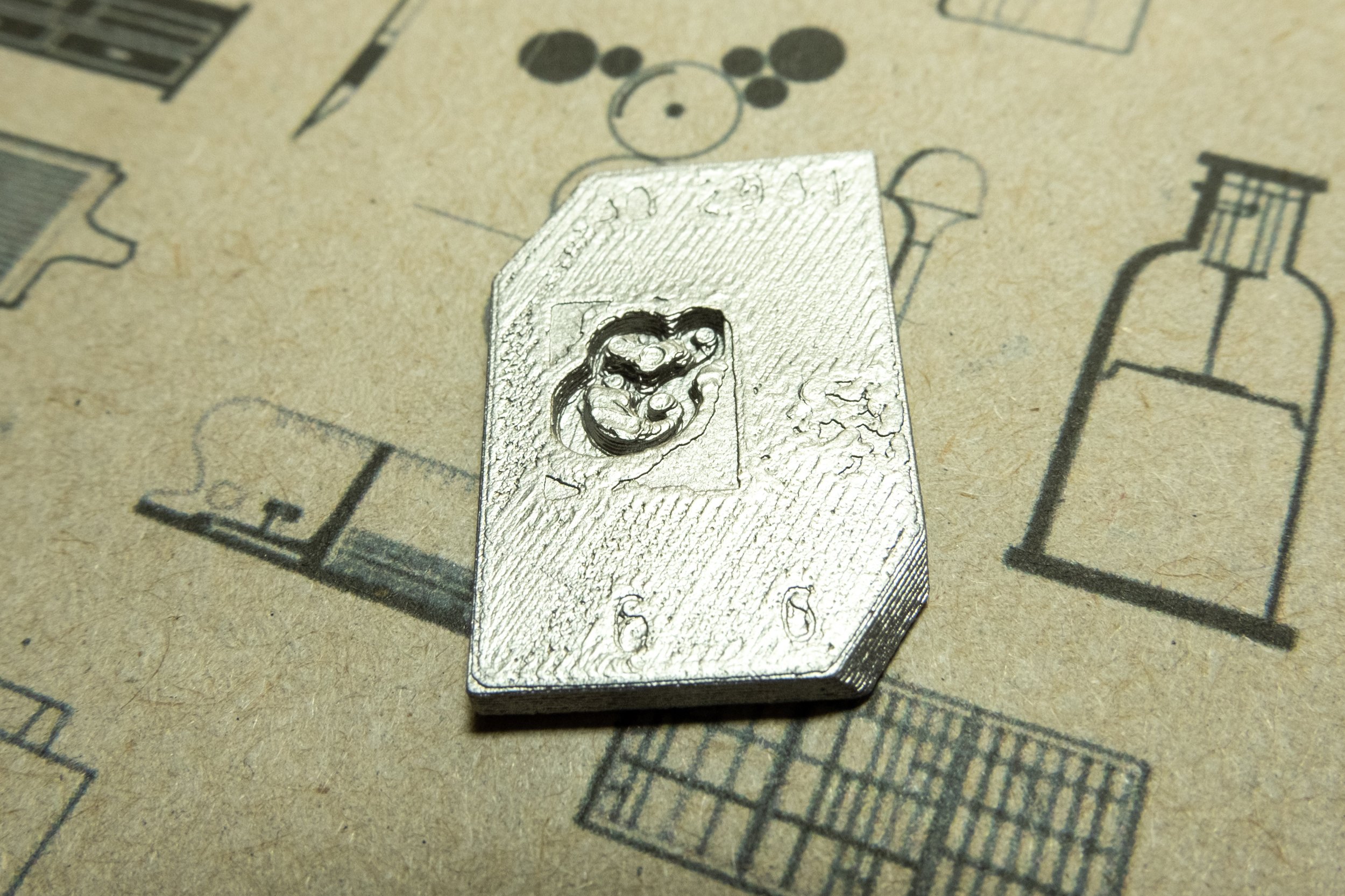
I sent the two 3D models off to Sculpteo to test what metal filament printing looks like, but the resolution and detail are too coarse. Still, an interesting test to make. More test prints off being made now in other materials.
typography

Progress on Type Matrix

An update on the Monotype Electro Display Matrix 3D Scanning and Printing project!

Everyone is busy, let me tell you that. I received two 3D scans of Electro Display Matrices back in November, printed and received service bureau 3D prints in December and talked with one of the scanners about brass casting, and then stalled through a combination of software trouble and busy 3D sculptors. (The former: AutoDesk Fusion 360 isn’t updated for Apple M1 processors, and the operations I need to refine the scans “beachball” the cursor; the latter: people with 3D skills are absolutely in high demand.)

But I hope to break the logjam soon, deliver the 3D model files that are part of the project, and then move into the 3D printing phase—and maybe some brass casting. Once I have the Kickstarter campaign fulfilled, I’ll often matrices for sale here as well.

 Left to right: Original Monotype matrix, low-res 3D PLA print, high-res metal 3D print
Left to

type history

Grendl Löfkvist, a Blackletter Aficionado and Printer

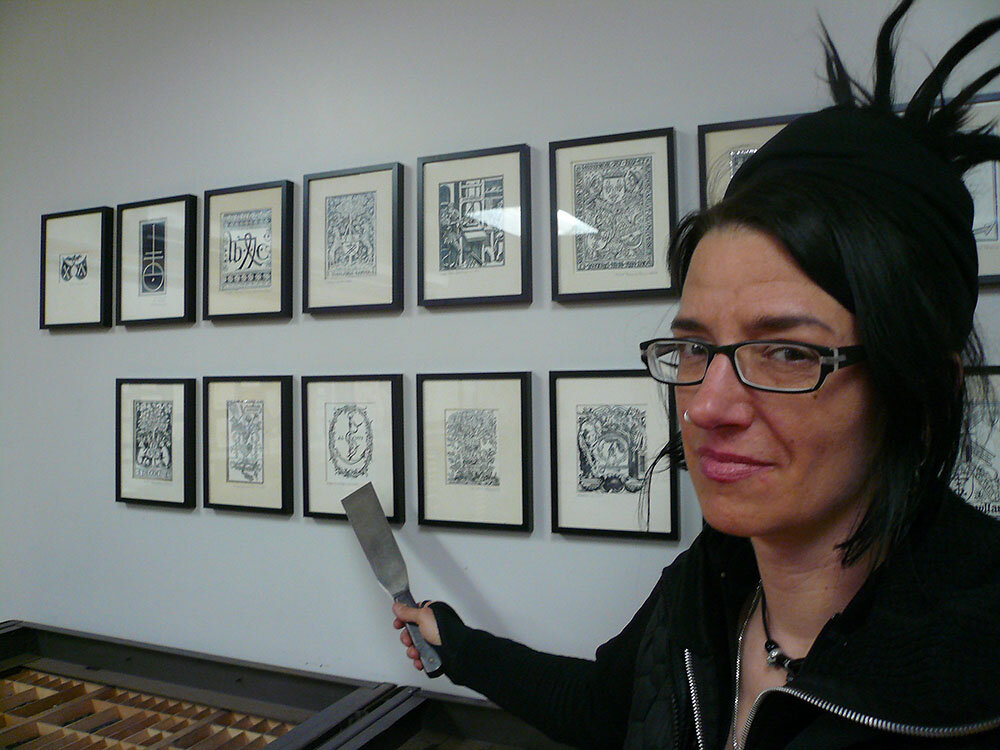
Grendl Löfkvist is a calligrapher, letterpress printer, and former offset press operator, and the education director at Letterform Archive in San Francisco, California. She teaches extensively, including at the City College of San Francisco, at the San Francisco Center for the Book, in the Type West postgraduate certificate program, and at typographic events all over. Her areas of expertise include the history of graphic design, book arts, typography, and letterpress.

This episode “sponsored” by Six Centuries of Type & Printing! Get a discount off your purchase of the book by listening to this episode’s introduction for a coupon code.

Subscribe to the podcast feed directly via this link, via iTunes, or any podcasting app.

audio-thumbnail
Grendl Löfkvist, Printer, Calligrapher, and Educator
0:00
/0:00

Notes from this episode

Toshi Omagari, Type Designer and Video Game Font Historian

podcast

Toshi Omagari, Type Designer and Video Game Font Historian

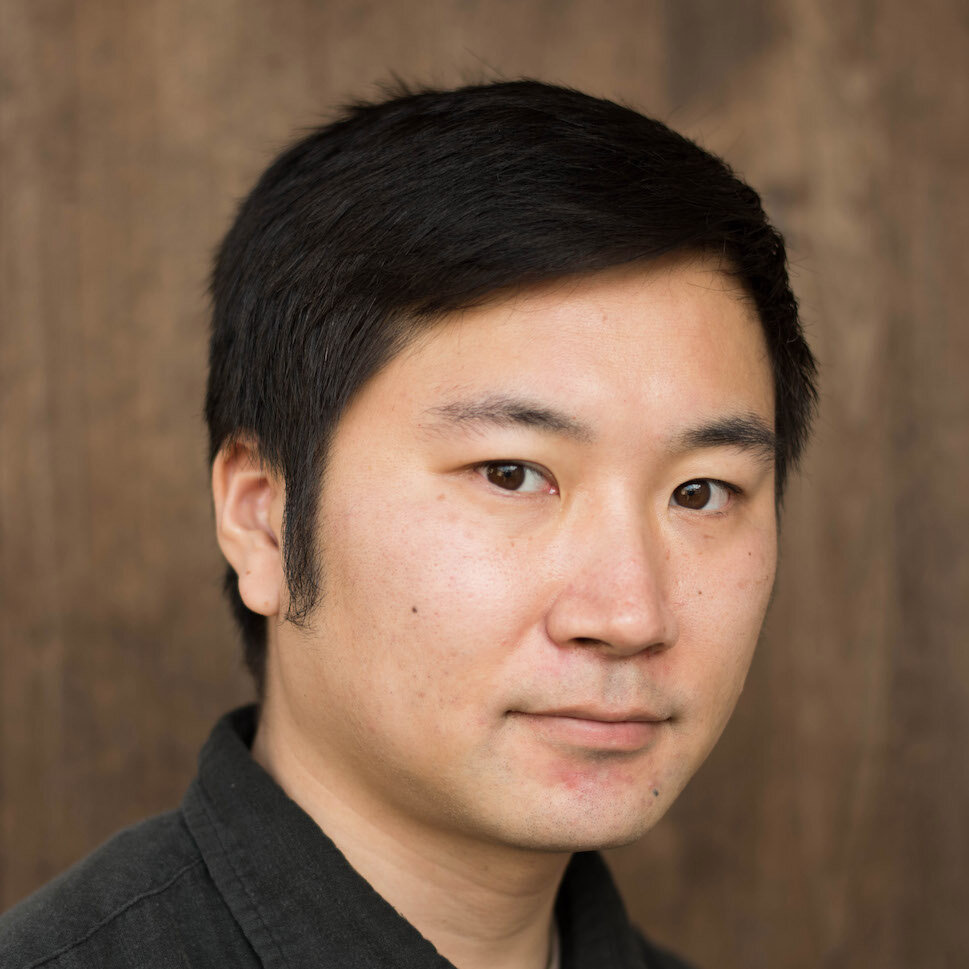
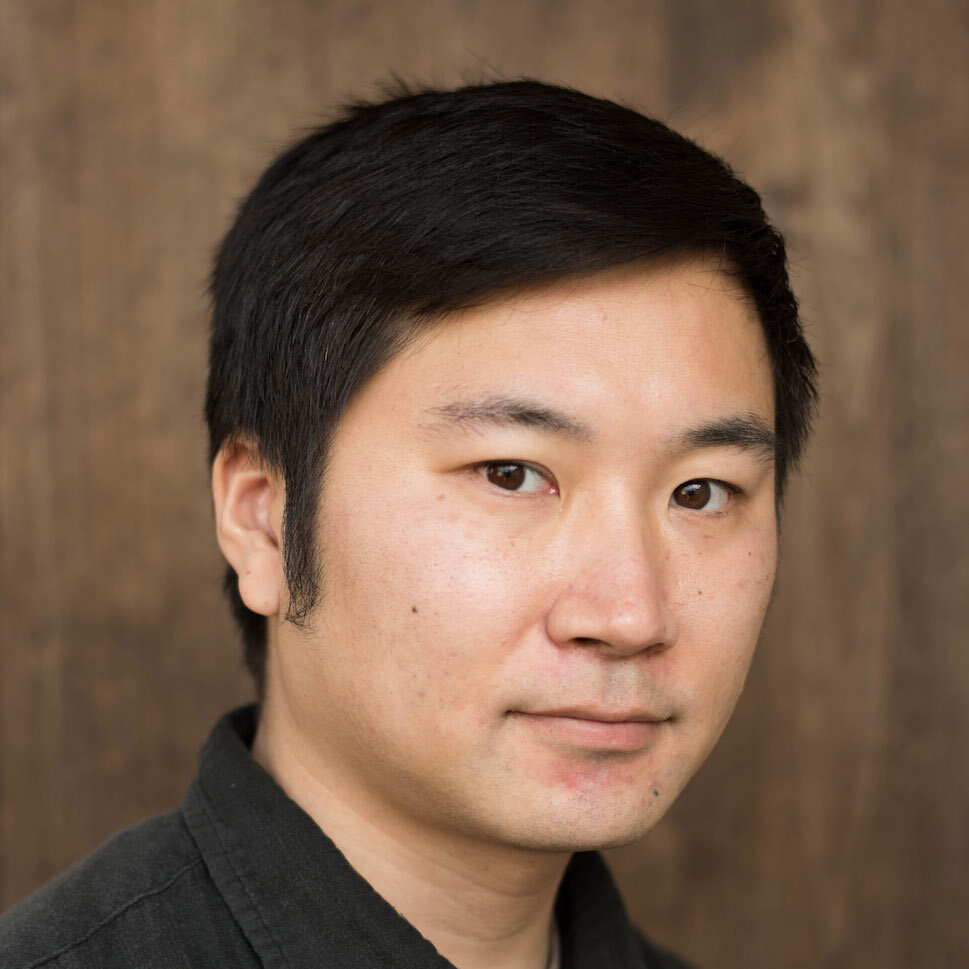
 Toshi Omagari (Photo: Yasuyuki Omagari)
Toshi Omagari (Photo: Yasuyuki Omagari)

Toshi Omagari studied Visual Communication Design at Musashino Art University, Japan, and then got his master's in Typeface Design at the University of Reading in England. From 2012 to 2020, he worked at Monotype, one of the leading digital type foundries, with roots that date back well over a century. During that time, he created his own faces and revivals, including a major reworking and expansion of five typefaces created by Berthold Wolpe. Toshi runs his own font studio now, and lectures and teaches.

His 2019 book, Arcade Game Typography (find it at a bookstore), is an incredible deep dive into the 8-by-8 pixel fonts used in early video game systems and arcade consoles. Just a few days before we spoke, he posted a blog entry about ink traps and light traps, which has the kind of obsessive detail that appeals to someone like me,

podcast

Amy Redmond and Jenny Wilkson (The Tiny Typecast)

 One of the heavily used presses at the School of Visual Concepts in Seattle
One of the heavily used presses at the School of Visual Concepts in Seattle

In this installment of the Tiny Typecast, I speak with artists, designers, and educators Amy Redmond and Jenny Wilkson, who work primarily in letterpress. Jenny founded the letterpress program at the School of Visual Concepts in Seattle, Washington, and Amy studied typecasting, typesetting, and letterpress printing in an apprenticeship with Chris Stern and Jules Faye.

The vibrant local community of printers keep traditions alive while also stoking the fires of a new generation and trying new kinds of printing, mixing different techniques onto the press, and new methods of making material for press, like laser cutters.

This episode was recorded before the pandemic. Letterpress will rise again, just as it has before.

audio-thumbnail
Amy Redmond and Jenny Wilkson
0:00
/0:00

Subscribe to the podcast via Apple Podcasts or through your favorite podcasting app

printing history

Keith Houston on His Book, The Book (The Tiny Typecast)

 Author Keith Houston, this episode’s guest
Author Keith Houston, this episode’s guest

Keith Houston talks about the past and present of the book, which has remained a remarkably consistent form since its invention millennia ago. We talk about bookiness, elements of a book, ebooks, and emoji, among other topics.

Keith is the author of Shady Characters and The Book, and maintains an active blog at which he posts ongoing articles on his current subject of interest. Right now, that’s been a long-running series on emoji that’s great reading, like all of his work.

audio-thumbnail
Keith Houston, Author of The Book (The Tiny Typecast)
0:00
/0:00

Subscribe to the podcast via Apple Podcasts or through your favorite podcasting app via its directory or this podcast URL.

A Visit to Letterform Archive (The Tiny Typecast)

podcast

A Visit to Letterform Archive (The Tiny Typecast)

 From left to right: Stephen Coles, Amelia Grounds, and Rob Saunders
From left to right: Stephen Coles, Amelia Grounds, and Rob Saunders

The long-delayed debut of the Tiny Typecast is here! Last year, I recorded four episodes for this podcast notion. My focus on keeping the Tiny Type Museum & Time Capsule moving along kept me from pulling the episodes together. But I’m glad to say with the majority of museums on the verge of shipping (in late March), I’ve finally been able to knuckle down.

Subscribe to the podcast via Apple Podcasts or through your favorite podcasting app via its directory or this podcast URL.

This first episode is an interview with three key people at Letterform Archive, a remarkable institution in San Francisco that preserves the history of design as a tool of communication. I spoke with founder and executive director Rob Saunders, associate curator and editorial director Stephen Coles, and then librarian Amelia Grounds. (She has