Glog

Journalism

Not Wikipedia Entry

Glenning

Not Wikipedia Entry

I had an entry at Wikipedia for years, then it was removed in what I think was a 1–1 vote. Big ups for the person opposed to my notability.

People have tried in the years since to add an article about me back, but they continue to be challenged on that issue. You’re supposed to be covered by media, particularly interviewed or reviewed, in order to be notable.

Despite many entries being about people who just do things, and who have rarely had published interviews! I’m sure the Wikipedians are flooded with garbage, so to make it easier, I’ve written a Not Wikipedia entry, which, in no way, is an entry on Wikipedia. But it scratches an itch for me. If you know me, you know I’m proud of the work I do, but not incommensurately proud of it.
Journalism

A 2000 Column on LINK ROT the Link to Which ROTTED

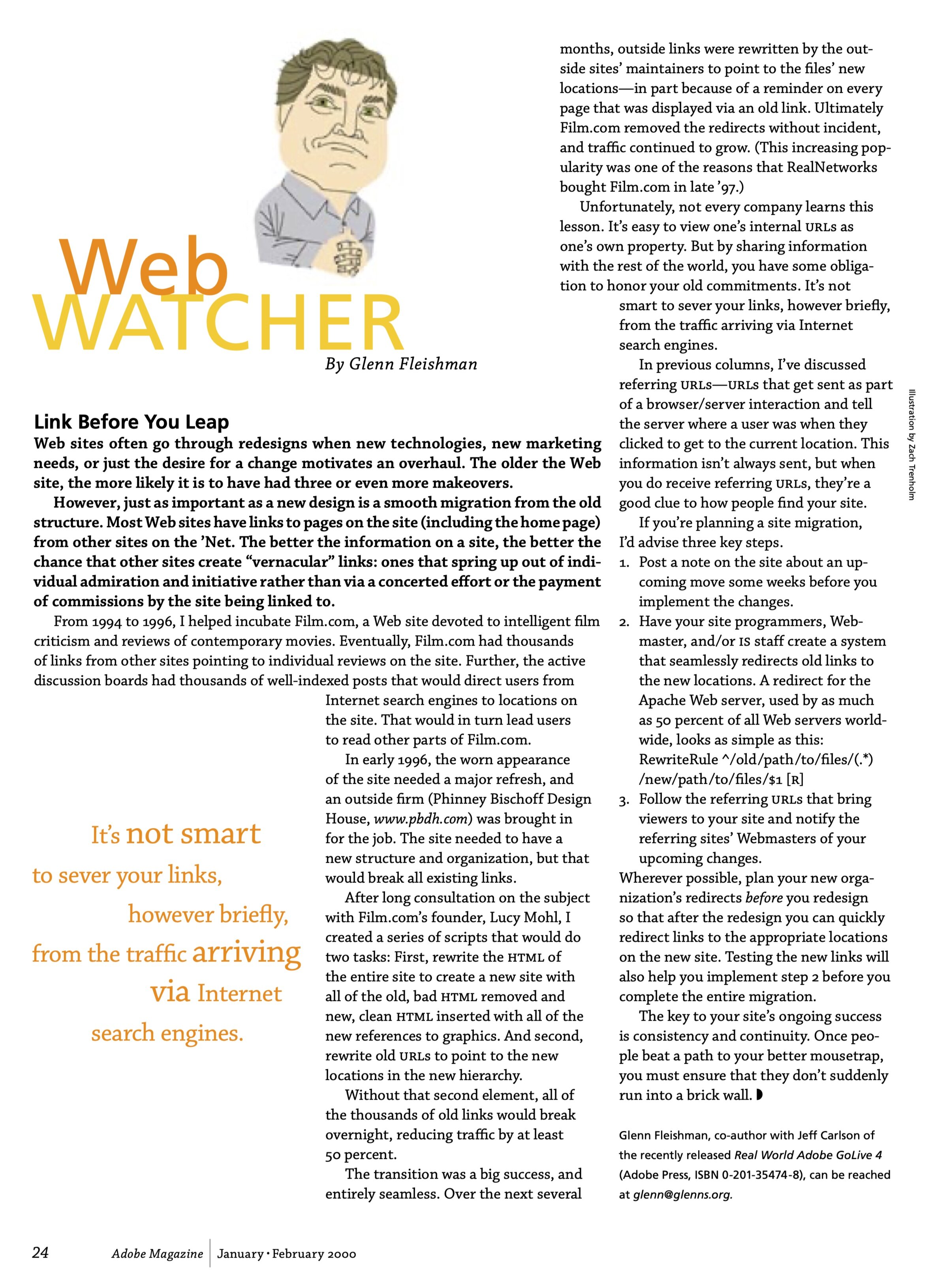
In an accidentally ironic self-reference, the first column I wrote about link rot—links that disappear or sites that are rebuilt and don’t preserve existing links—rotted not long after it was published in 2000. Fortunately, I snagged a PDF from an archived site at some point.

Here’s the original article’s text:

Link Before You Leap

Web sites often go through redesigns when new technologies, new marketing needs, or just the desire for a change motivates an overhaul. The older the Web site, the more likely it is to have had three or even more makeovers.

However, just as important as a new design is a smooth migration from the old structure. Most Web sites have links to pages on the site (including the home page) from other sites on the 'Net. The better the information on a site, the better the chance that other sites create

Bookselling

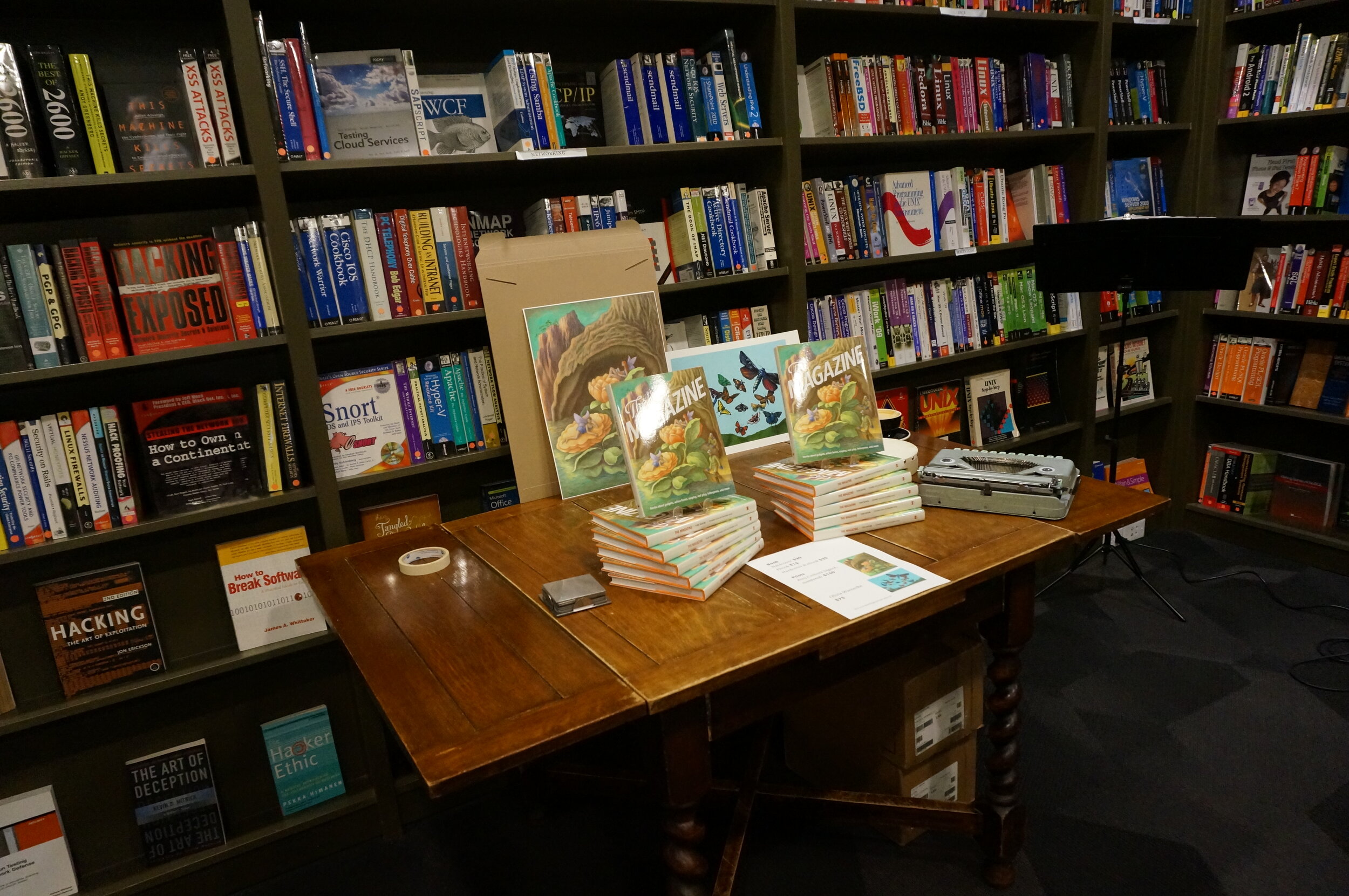
Seven years ago: The Magazine: The Book: The Launch: The Party

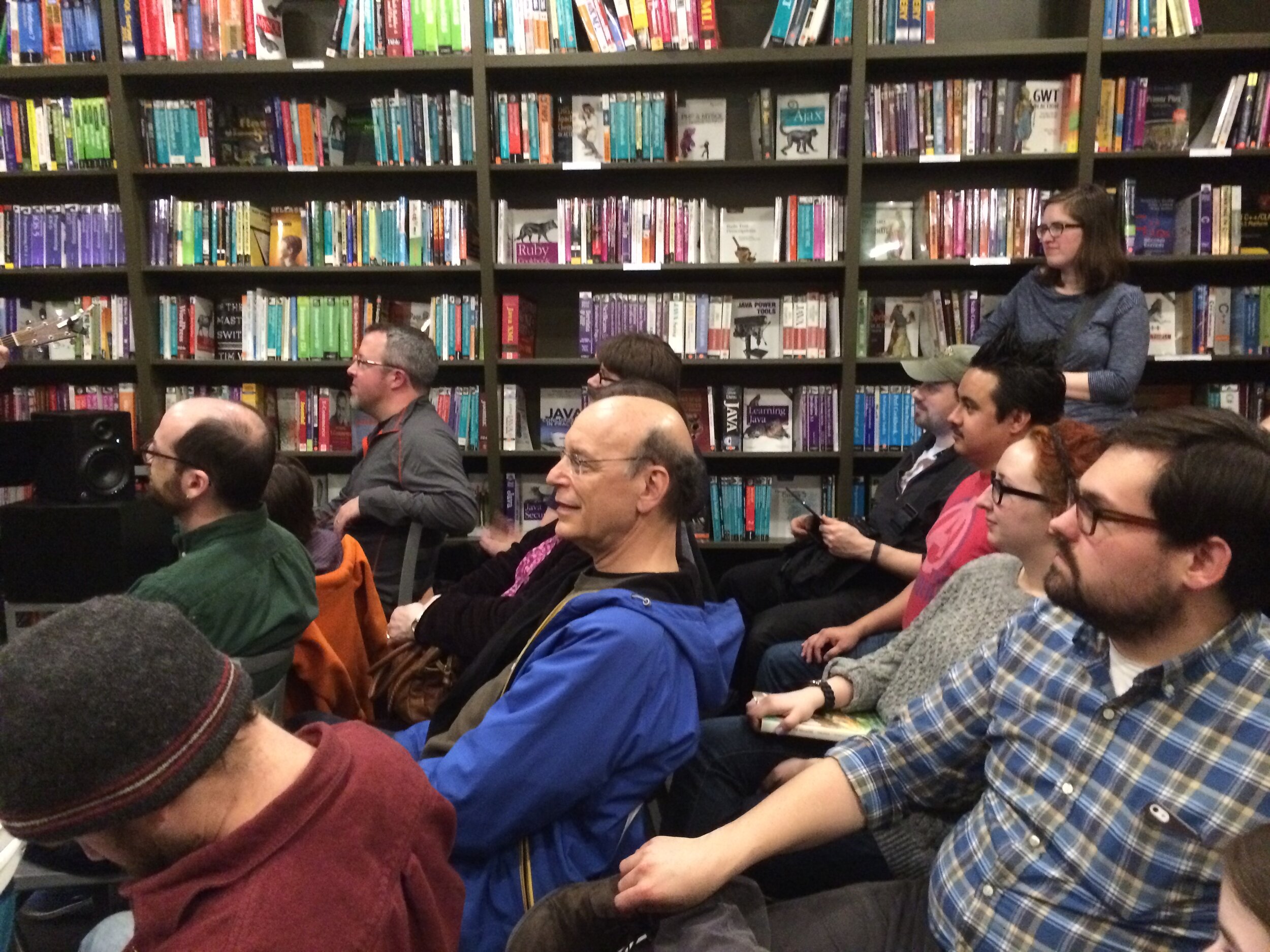
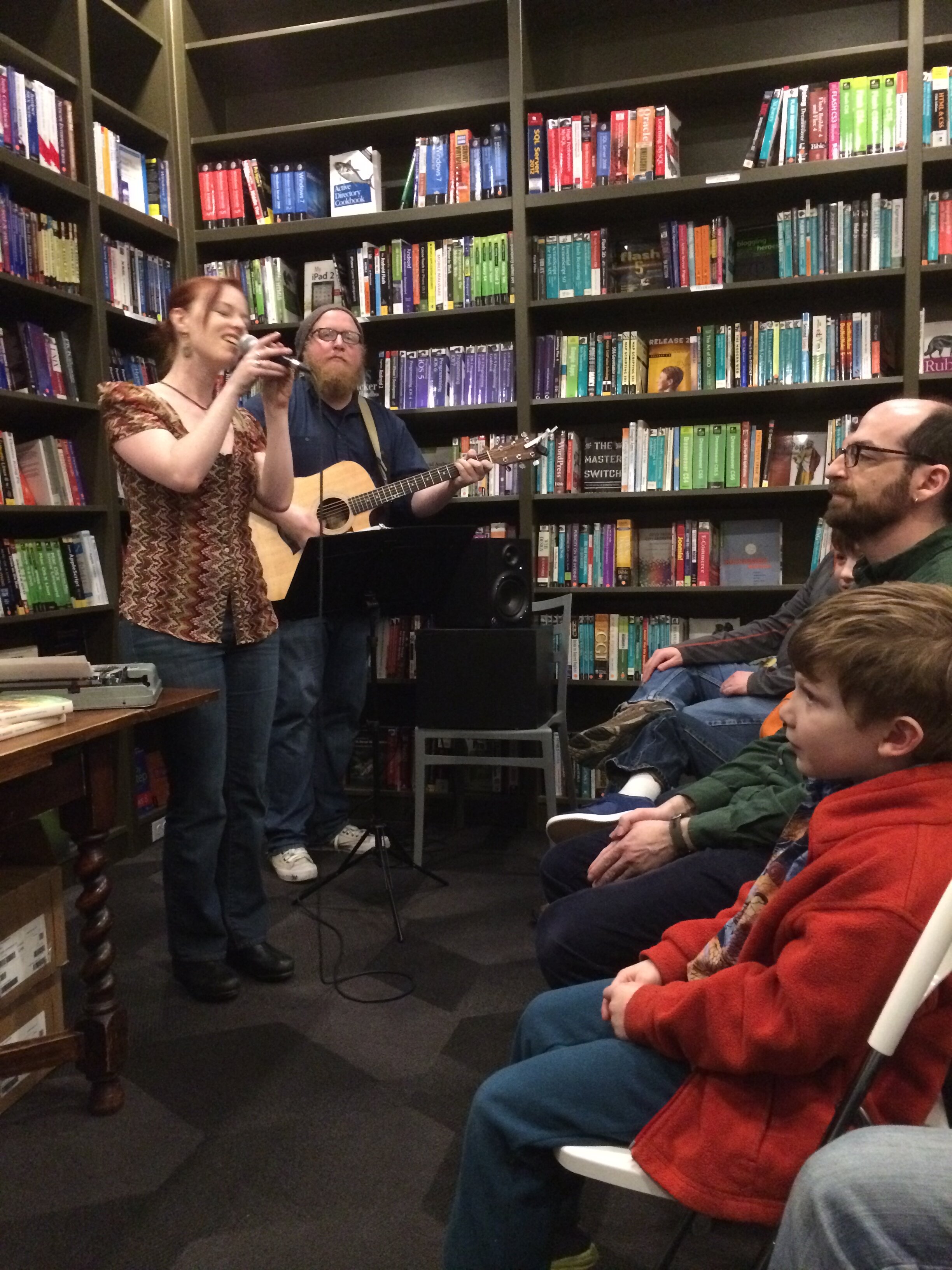
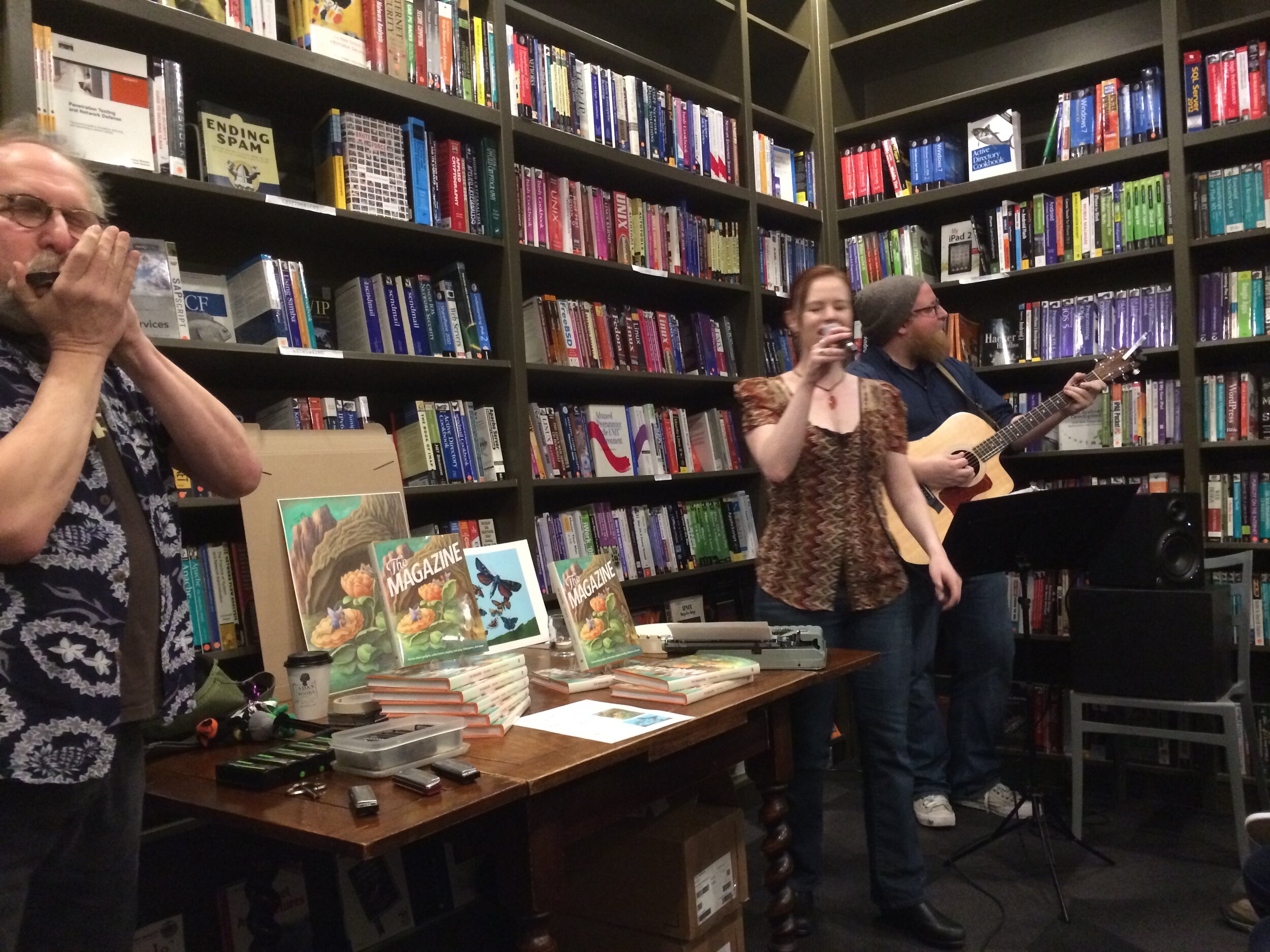
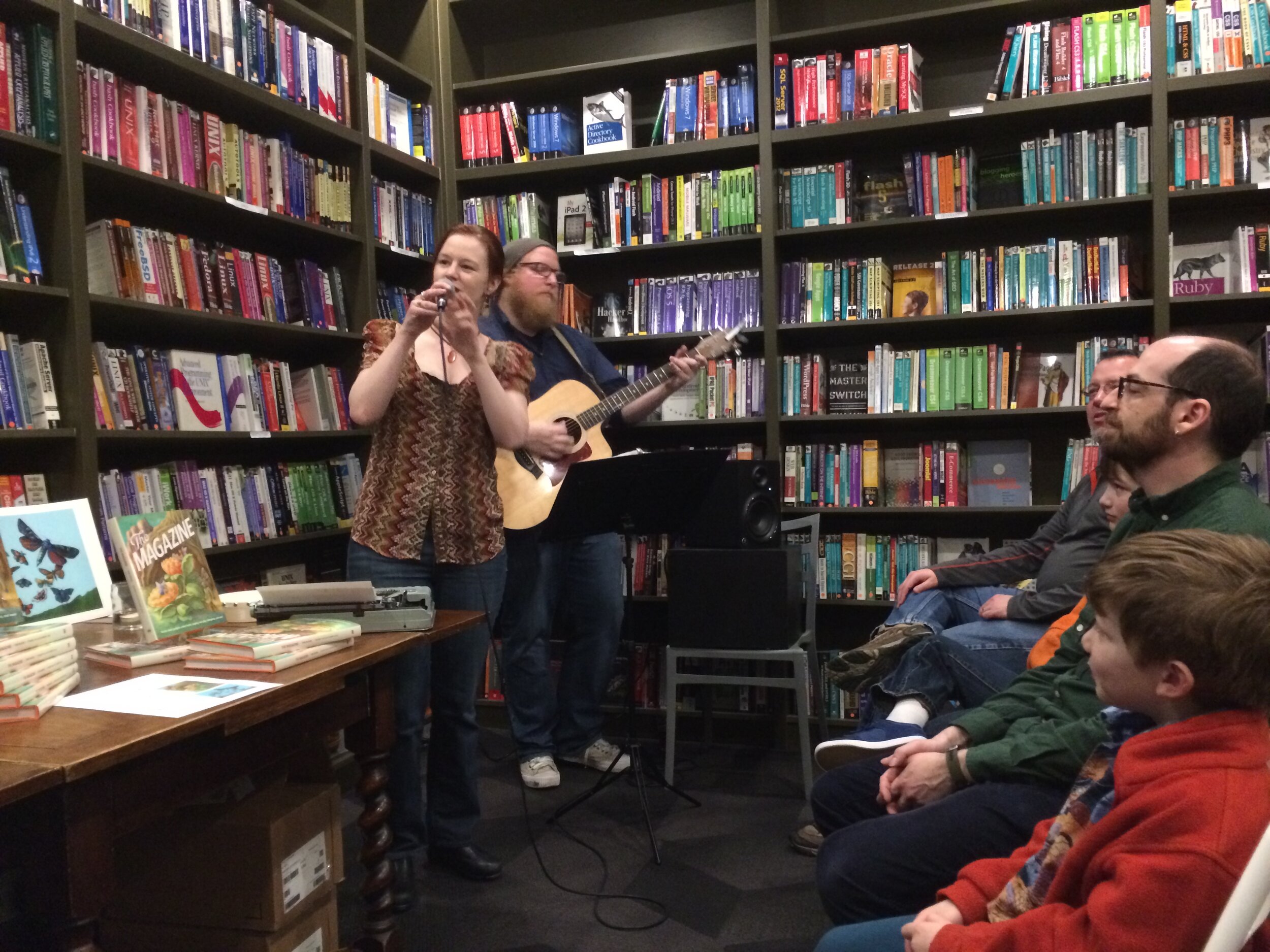
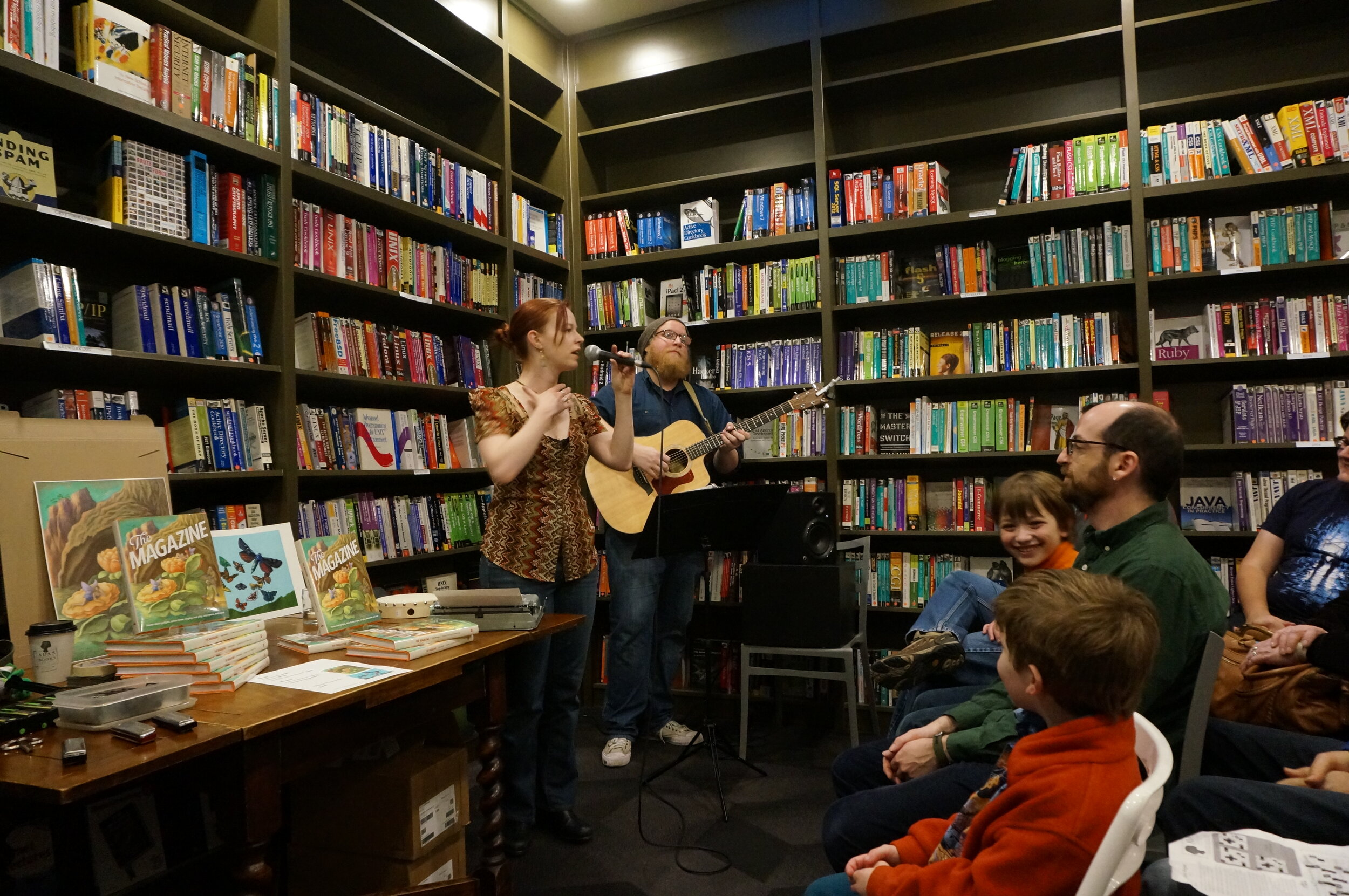
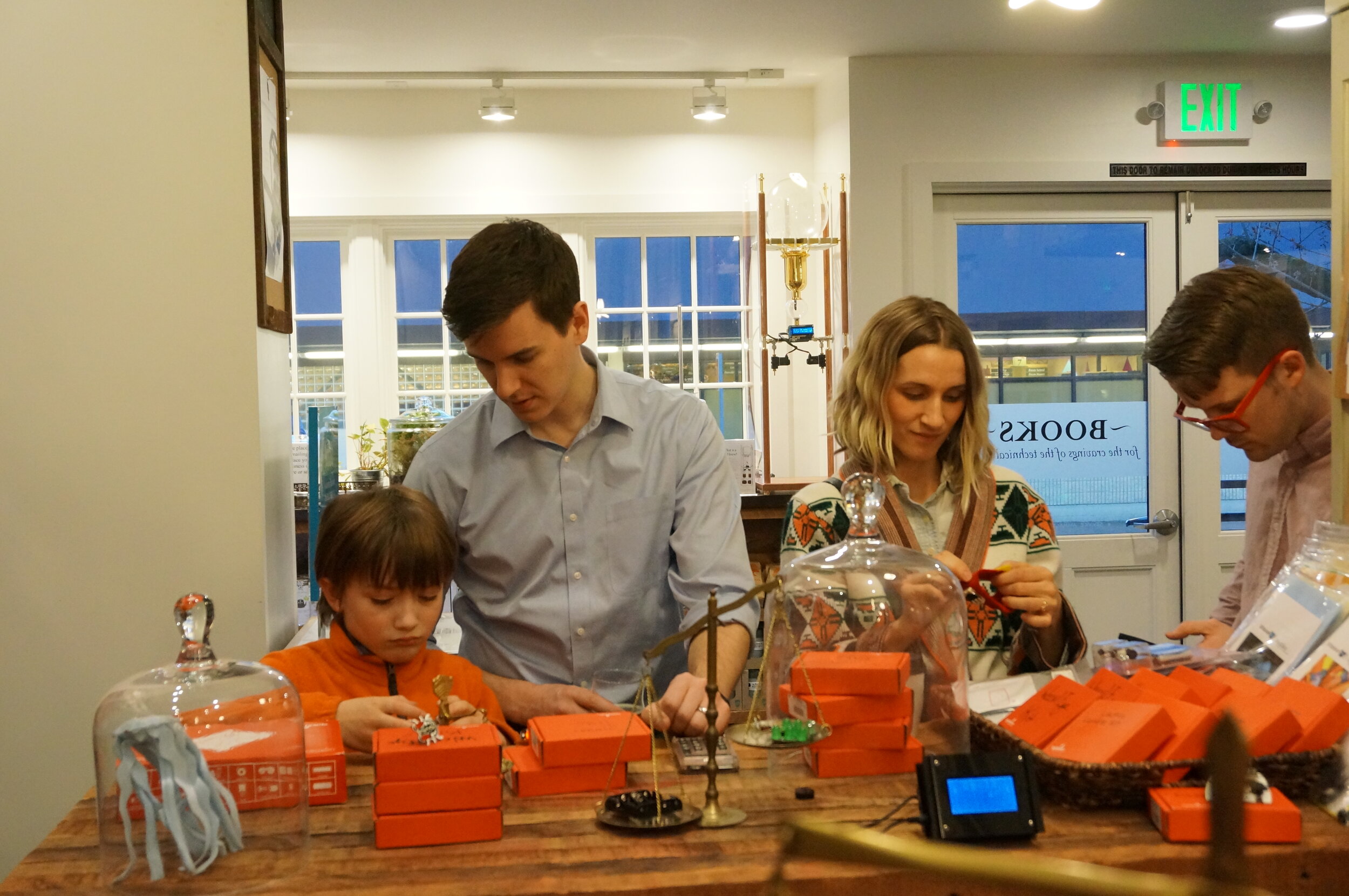
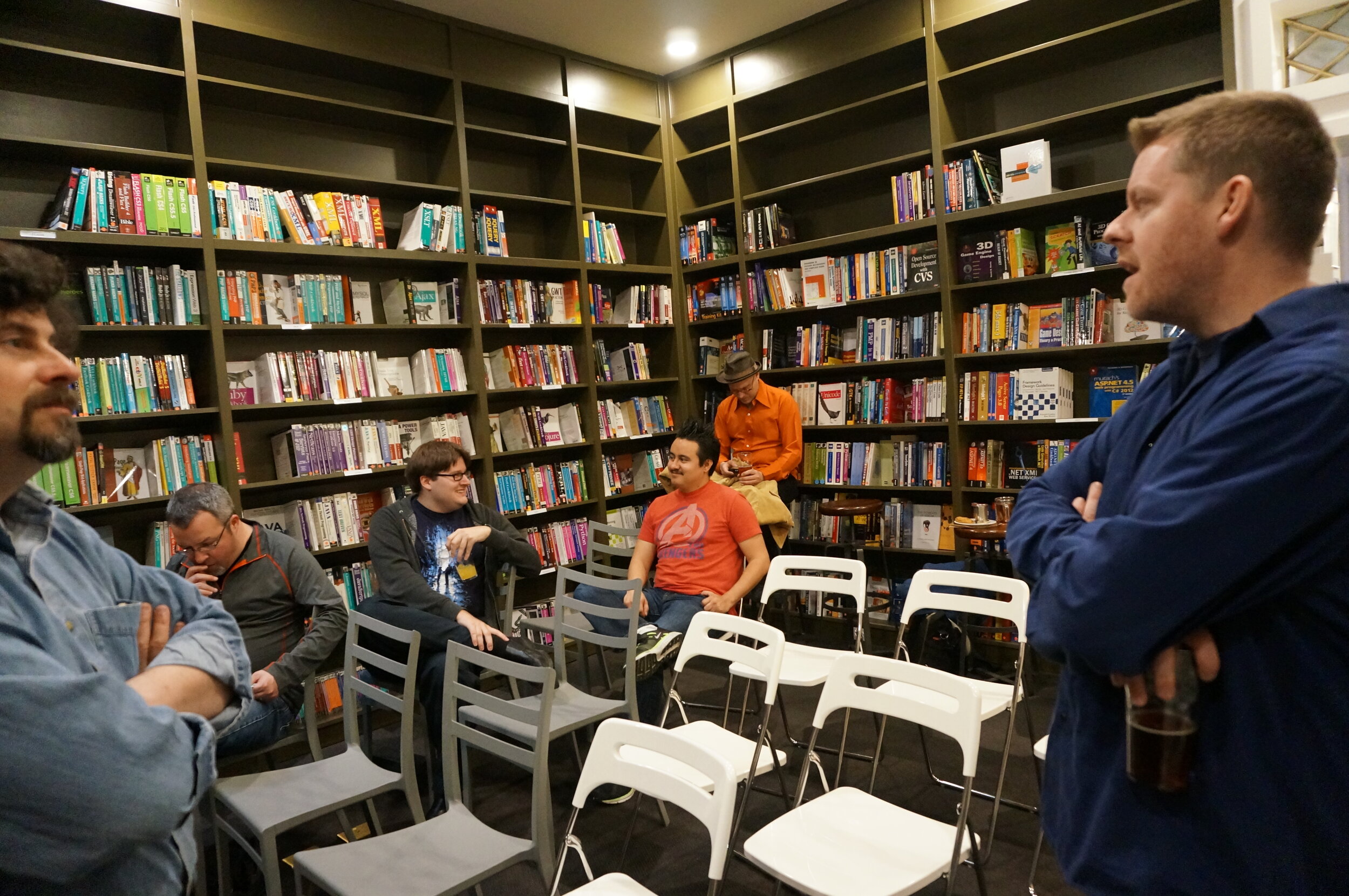
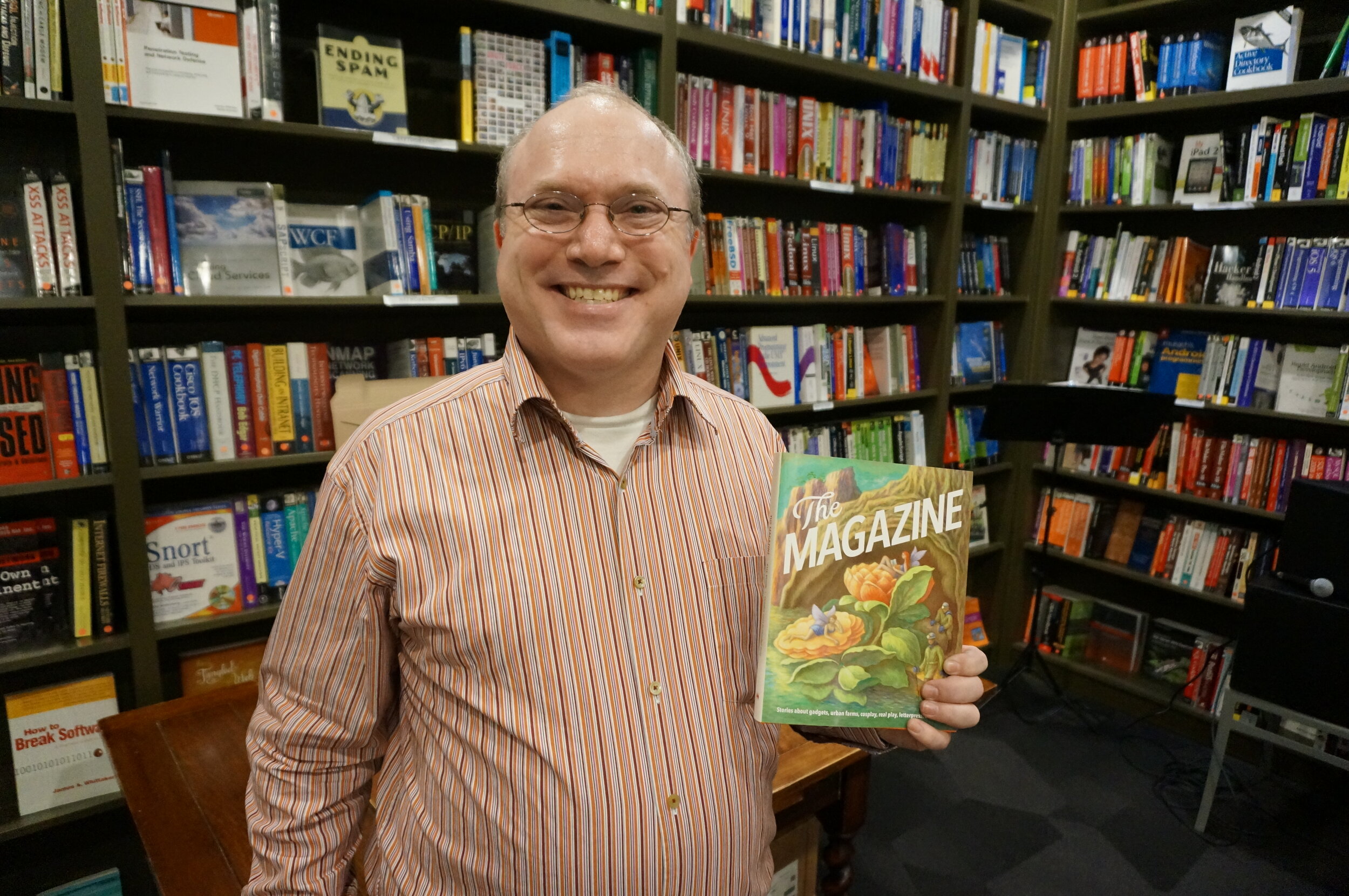
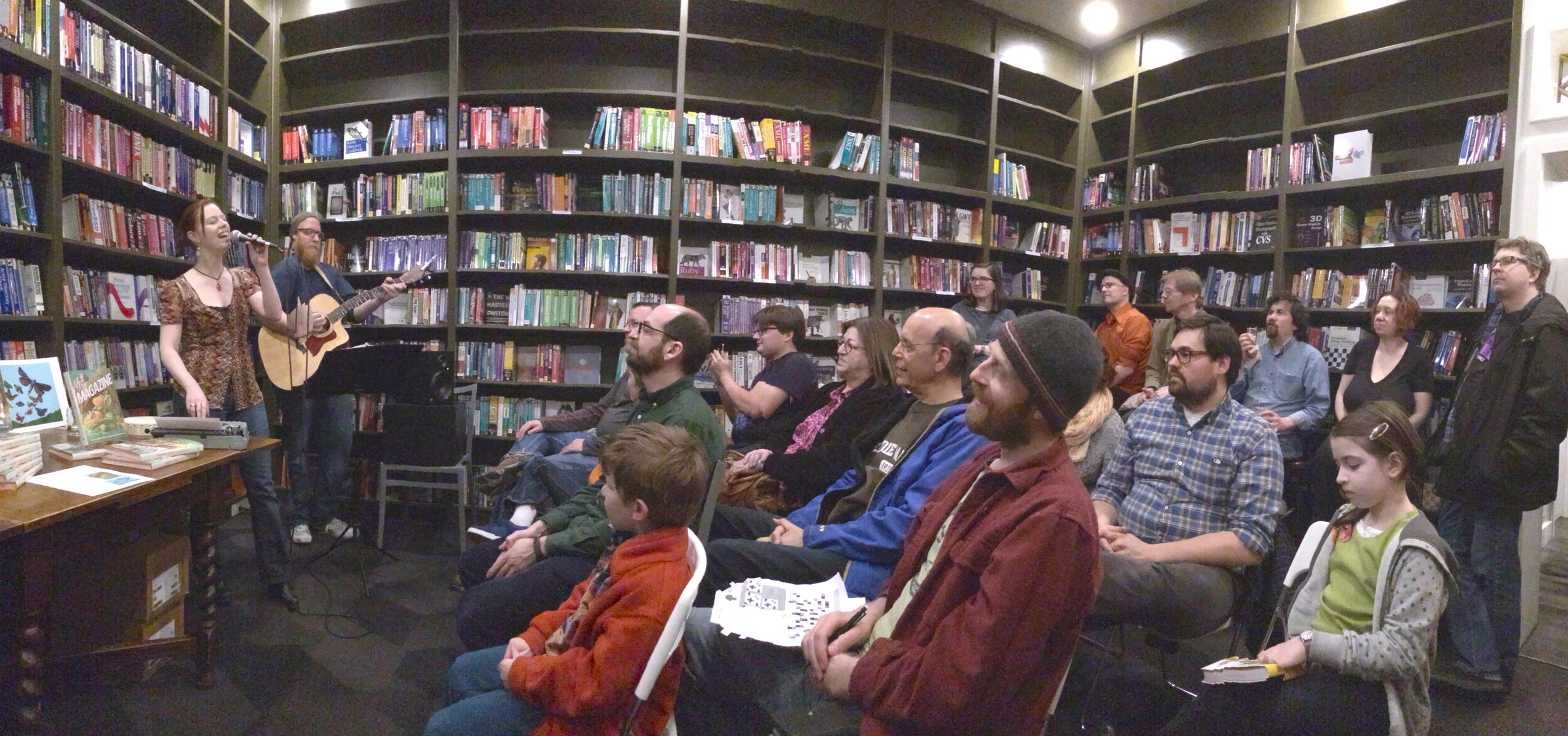
Lynn had a note pop up on some social media service I am no longer part of reminding her that the book launch party for The Magazine: The Book (Year 1) was seven years ago today! This was back when I was running The Magazine, and thought one path to longevity was to produce a beautiful book each year that would appeal both to subscribers to the digital edition and to people who were intrigued by the variety of subject matter.

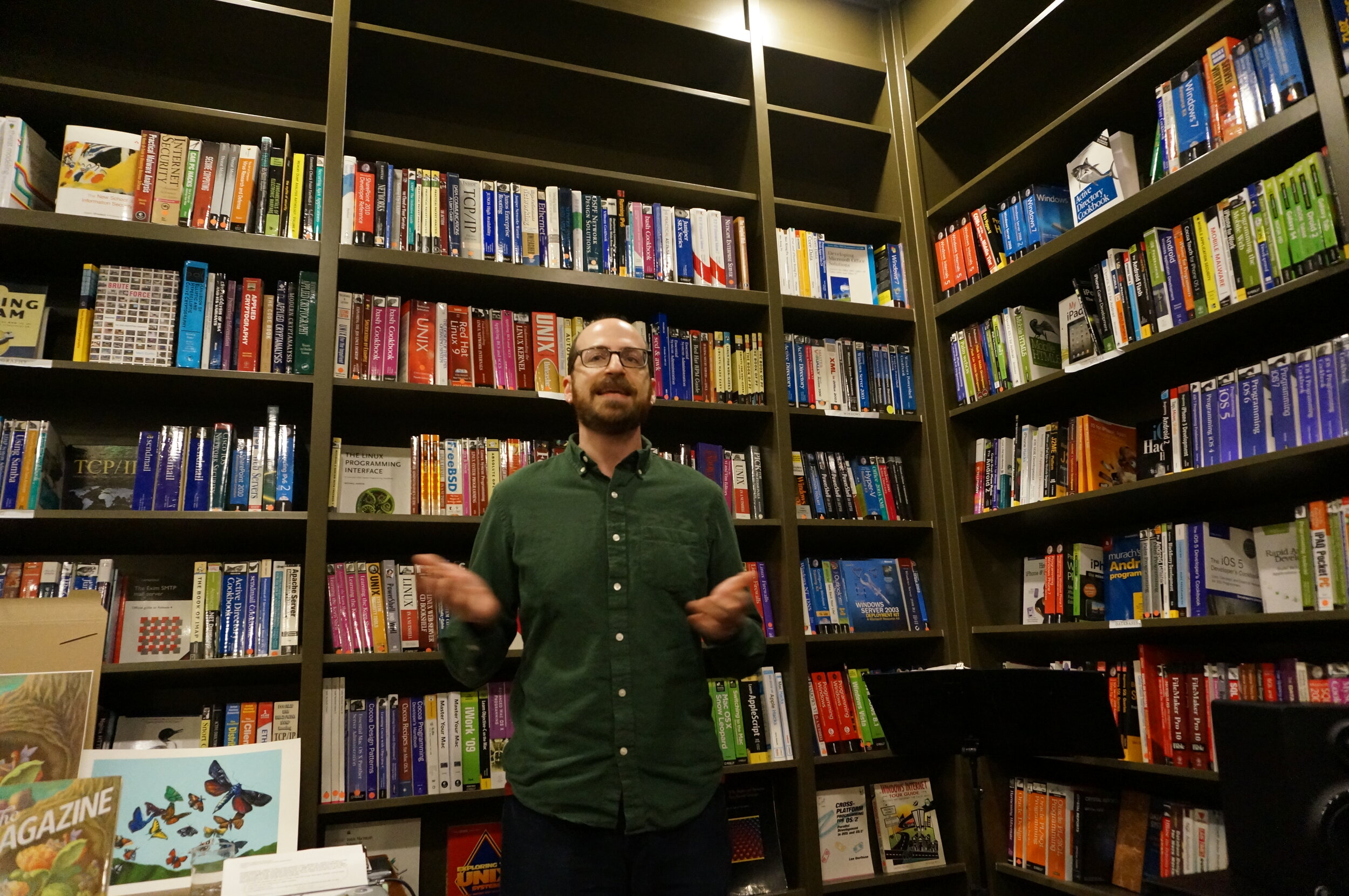
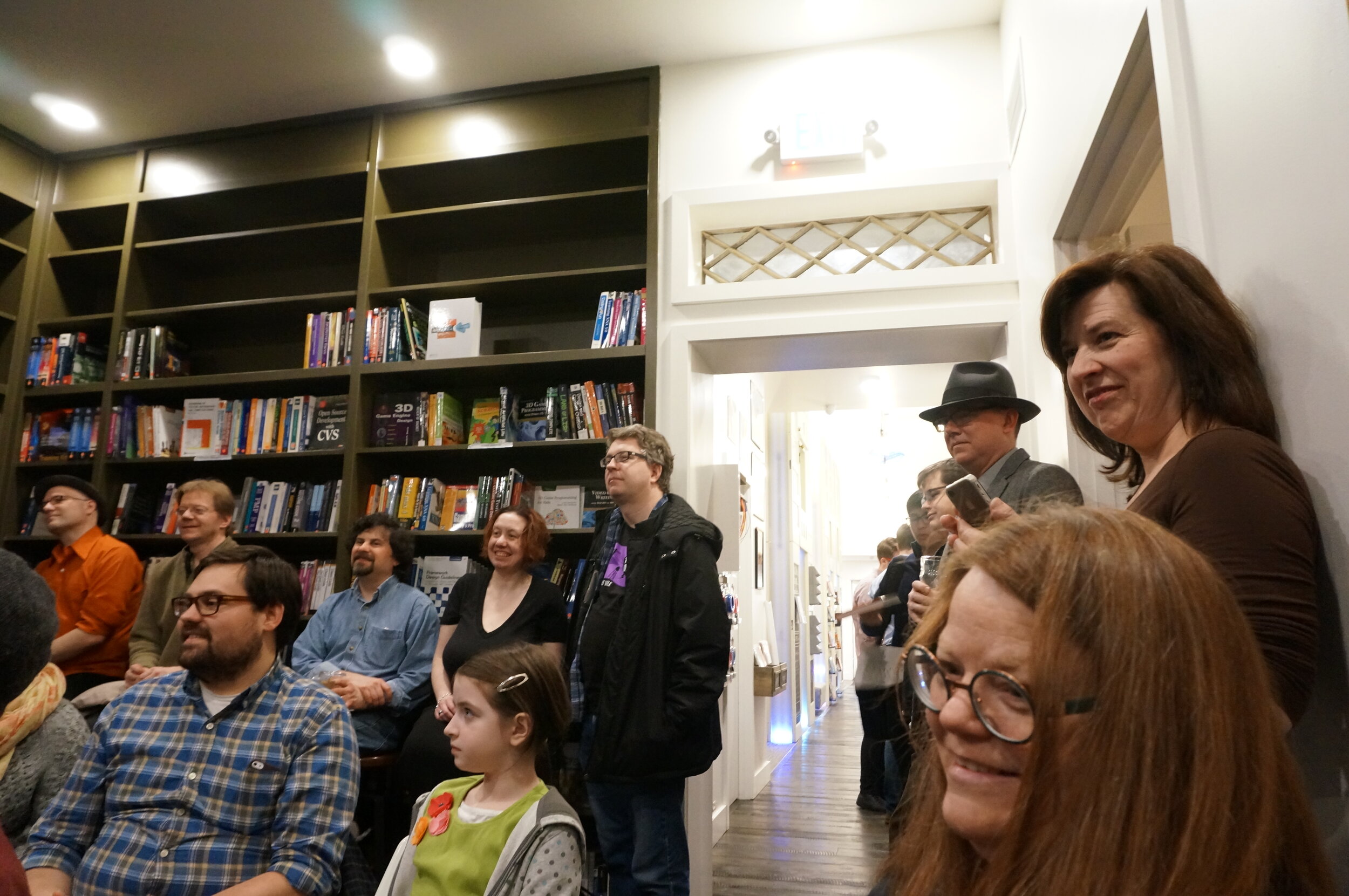
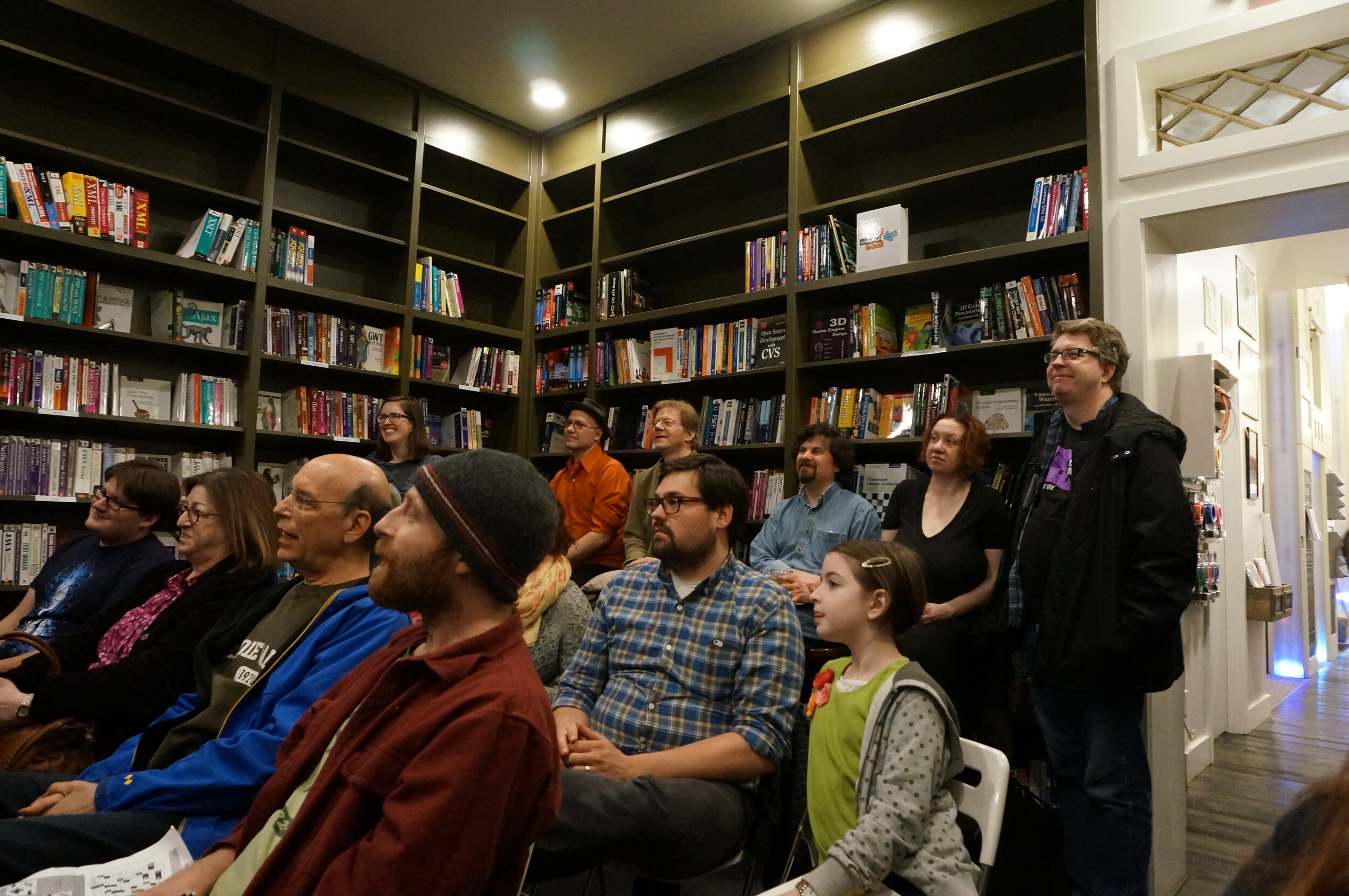
Food and general non-fiction writer Matthew Amster-Burton did a magazine-themed comedy set (seriously, and it was hilarious). Marian Call and Seth Boyer performed her music, along with accompaniment on harmonica from her stepfather, a noted advocate for eating (cooked and prepared) bugs. The event was at the wonderful Ada’s Technical Books and Café, at which I hosted several talks in podcasts over the next few years.

The party

Journalism

Put yourself in Jeopardy

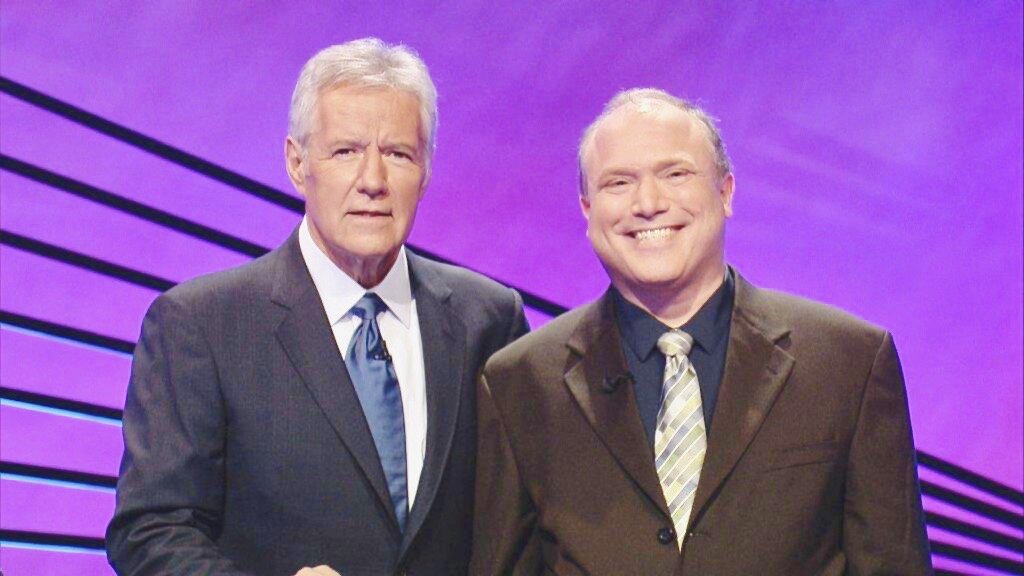
 Back when I was on top of my trivial form
Back when I was on top of my trivial form

In advance of the upcoming "Greatest of All Time" Jeopardy! death match between James Holzhauer, Ken Jennings, and Brad Rutter—respectively, the fastest top-money winner, the all-time regular play winner who also has played the most games, and the total cash winner across regular play and tournaments—I thought I'd collect my writing and podcasts about Jeopardy.

(Update: I am sure you know who won the tournament by the time you read this, whenever in the future that is. Motherboard asked me to write up before the fourth game an analysis of the first three and where the trend was heading. I put in a lot of the strategic and game-play issues folks don’t always think about when they consider Jeopardy.)

I taped my three episodes of the game in August 2012, and they aired that October. I won

Print

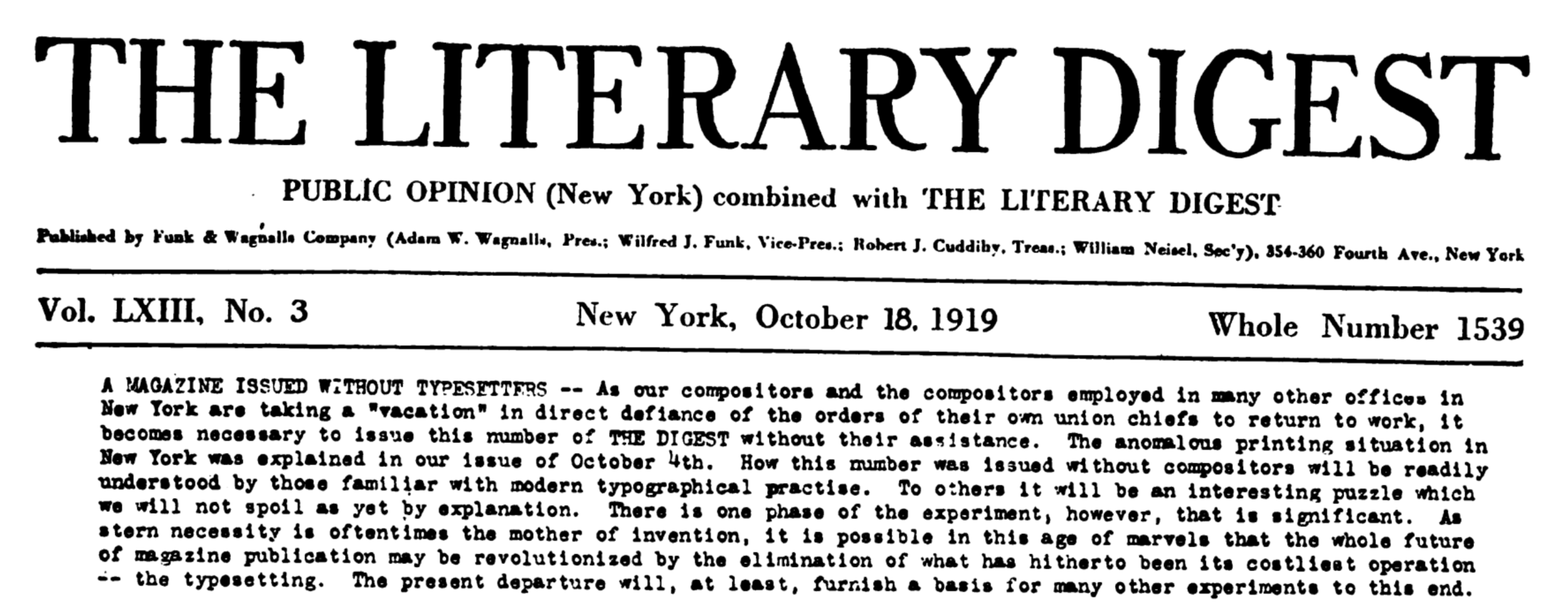
The Typewriter Is Not a Typesetter: the 1919 Magazine Strike in New York

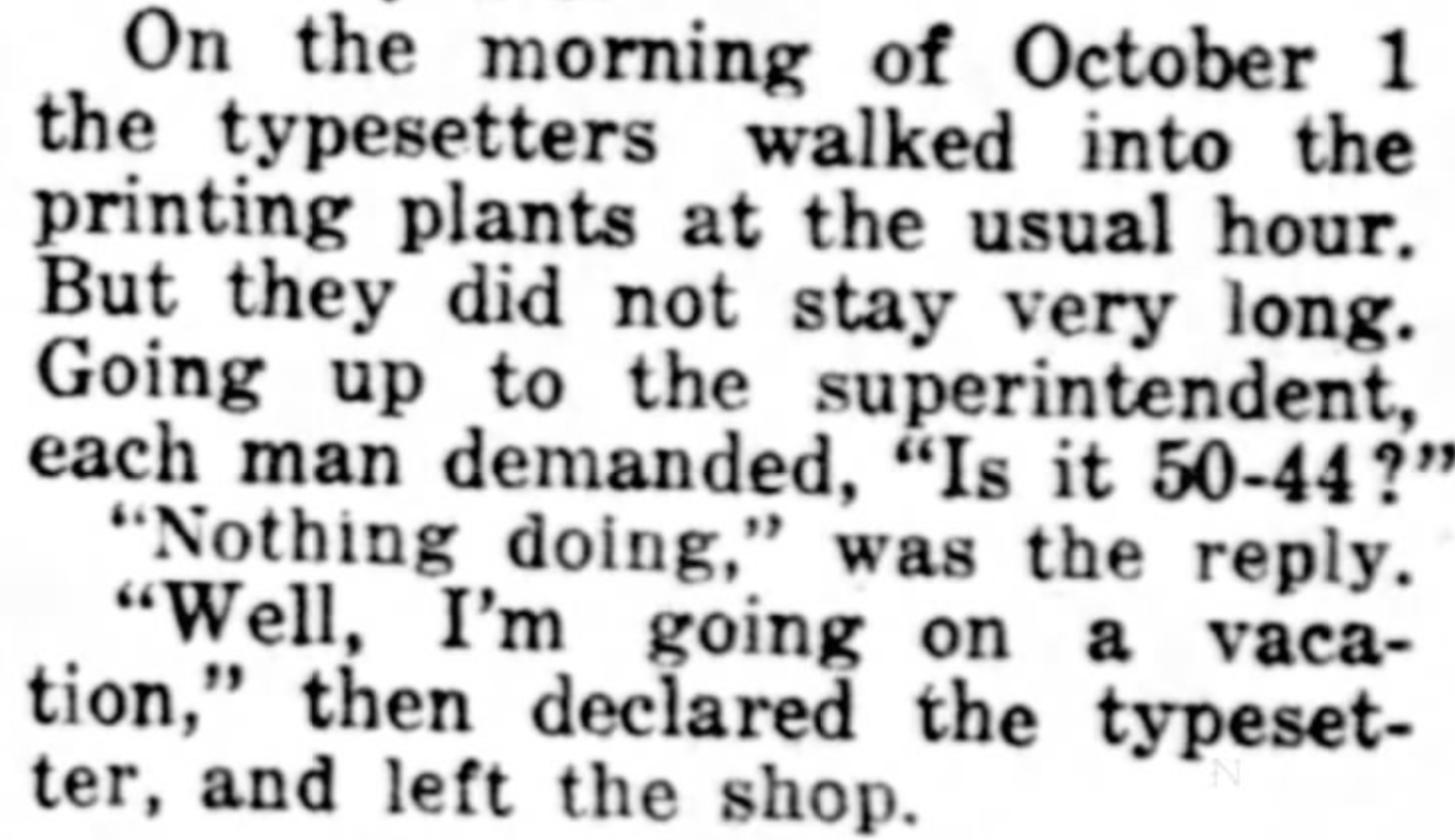
On October 1, 1919, typesetters and printers at job shops in New York said they were taking a “vacation” and walked off the job. This wildcat strike hit dozens upon dozens of magazines, which largely relied on job typesetting, as opposed to newspapers who had composition in house. The international unions didn’t authorize a strike, but “Big Six,” a powerful New York typographers’ local, found a way to cause one in effect.

The reason? These printing plant employees wanted a $50 wage for a 44-hour week, up for $36 for 48 hours—“50–44” was the slogan.

Publishers were aghast, but some thought they had a plan: Replace typesetting with typewriting! It worked, to a degree, but publishers and anti-union advocates promoted the method as a way to replace typesetters and break an effective monopoly. That didn’t happen.

At my Patreon site, I just published a 5,000-word

History

A Type History Talk Featuring the Tiny Type Museum

I was in San Francisco in early June, and the Grabhorn Institute invited me to give a short talk in their gallery about type history and the Tiny Type Museum & Time Capsule. The institute preserves the practical history of type casting and fine-art printing by perpetuating it, fulfilling orders from letterpress printers and producing new books, while running an apprenticeship program, regular tours, and inviting speakers (like me!).

Publishing

Whose Words These Are

I have an article in the January 2019 issue of Smithsonian magazine about the potential cultural impact of the expiration of copyright on nearly everything published in the U.S. in 1923. With few exceptions, everything that had proper initial notice and filed for copyright renewal from that year in 1951 (renewal was once required) will enter the public domain on January 1. It’s exciting, as it starts a 54-year cycle of annual releases of each year from 95 years prior into the public domain.

“Stopping by Woods on a Snowy Evening” is a prominent bit of literature from 1923. Robert Frost’s poems have had zealous copyright enforcement. It even featured in a landmark Supreme Court case, Eldred v. Ashcroft, in which the Supreme Court decided that the “limited terms” of exclusive ownership defined in the Constitution meant any duration that Congress picked.

In honor of “Stopping by

Podcasting

2018 Creative Year in Review

Last year was hard to top. I had a designer in residence position at the School of Visual Concepts, printed a book by letterpress, traveled to New York for a Kickstarter event, Wisconsin for the Hamilton Wood Type and Printing Museum Wayzgoose, and to London to research a book.

2018 started weakly. I got the flu on Christmas Eve, recovered briefly, and then was so knocked out with secondary illnesses that it took me about four months to recover fully. During that time, I was also writing a book, finding new publications to write for, and figuring out what I would do across the year.

It turned out pretty well in the end.

In the first part of the year, I finished researching and writing London Kerning, and then designed the book and had it printed—and then shipped it out to hundreds of people. I undersold myself on demand

Journalism

Summer Updates!

Summer came rushing in, and while we swelter, I have a few updates:

  • The New Disruptors podcast crowdfunding campaign met its goal! I'll be producing new episodes starting in August. When the first new episode launches, there will be more ways to help keep it going beyond the 12 episode/1 year schedule I used Kickstarter to fund. It was a nail biter: a very generous supporter came in during the last five minutes to bring the campaign home!
  • My London Kerning book is available in London itself from Magma Books. If you visit London, you can pick up a copy in person, but the company also offers inexpensive shipping across the UK, Ireland, and the rest of Europe.
  • Speaking of London, I visited my books and other sites with the family earlier this month. You can read briefly about that trip and some thoughts about stone lettercarving I saw

Journalism

The Latest Glenn: Articles and Podcasts

I’ve published a number of interesting articles recently and had a spate of podcast appearances. Here’s a short summary. (You can also use my Authory page to see recent articles and search on the full text, and sign up to be notified about new articles.)

Articles

  • A Landslide of Classic Art Is About to Enter the Public Domain” (the Atlantic): An amazing day is coming. January 1, 2019, for the first time since 1998, a huge number of books, films, and other works will escape U.S. copyright law. Due to a number of quirks and changes in U.S. copyright law, every year for decades, a swath of history gets brushed into the public domain at last.
  • How Facebook Devalued The Birthday” (Fast Company): What was once a private celebration has become public currency. What have we lost in the process? After this ran, a lot of

Journalism

New book on typography, language, and printing!

I’ve got a new book out! It’s a collection of 10 researched and reported articles I’ve written over the last two years about the history of punctuation, the future of letterpress, and much more.

The first six chapters are part of the letterpress book I printed this year, and the book was one of the items I committed to make as part of that project. You can download an excerpt that contains a full chapter.

It’s 116 pages long and comes as a bundle of PDF, EPUB, and MOBI. Get your copy here!

Here’s what’s in the book:

  • Nothing Is Lacking: The earliest uses of marking a page as intentionally leaving something out.
  • CAPITAL CRIMES: Why we SHOUT with UPPERCASE. (Included in excerpt.)
  • The Ten-Millennium Safe: A web site plans for the far future.
  • The Quibble with Online Quotes: Will the Internet kill off

Journalism

Micro-Project: Kickstarter for London Kerning

Because of a great intersection of timing, I’m traveling to London in late November to view a rare exhibition and meet with a number of type designers and folks involved in letterpress, as well as visit public and private collections, and roam the streets, which are rampant with classic and modern type usages. I’m turning this experience into a small book I want to share with you.

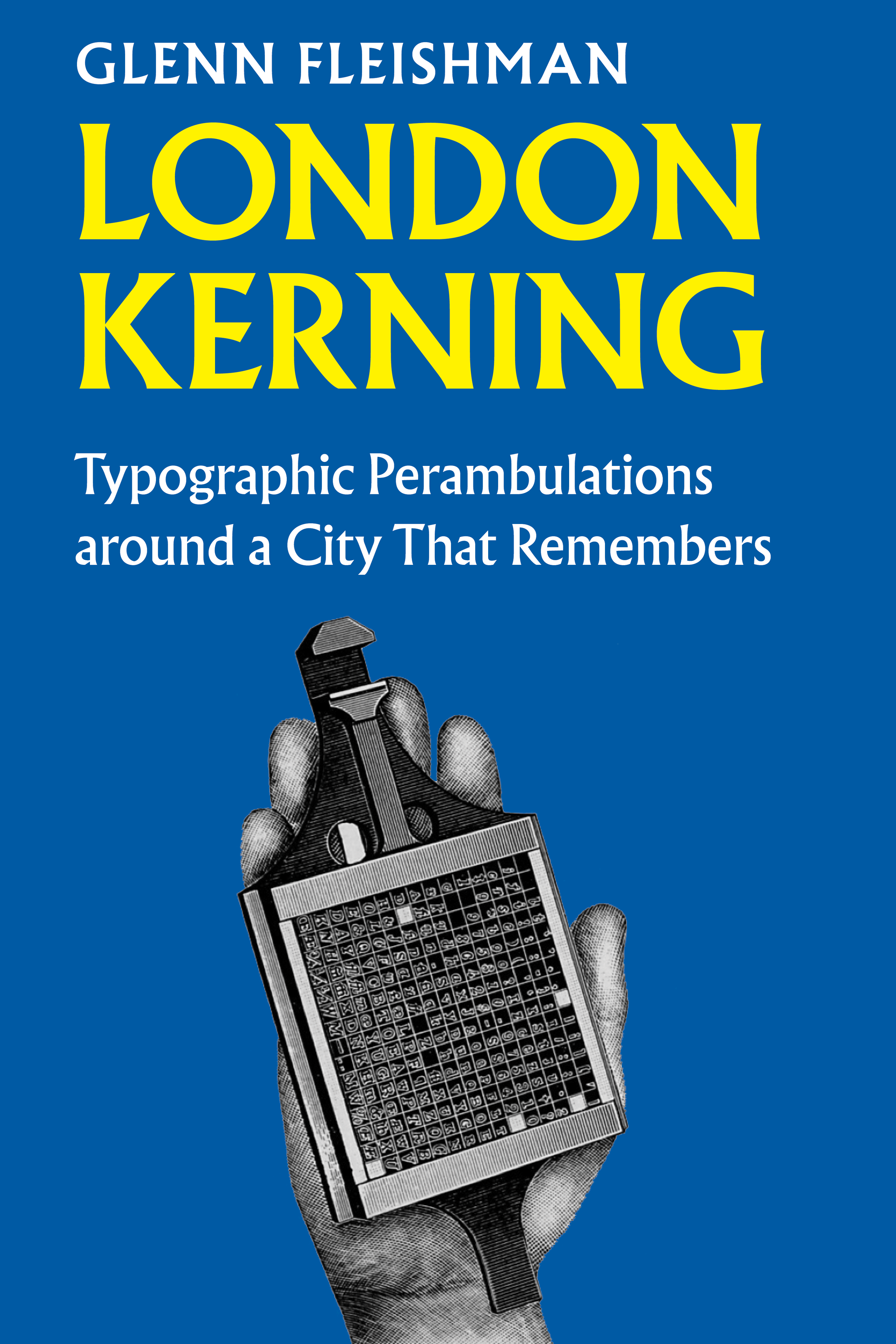
I’ve launched a campaign on Kickstarter to help cover my expenses in travel and research, and to design and create digitally printed and ebook editions. As a freelancer, it’s difficult to fund travel and research, which is why I’m turning to you. I’ll be making a short but terrific book that anyone who has an interest in design history and its preservation will enjoy, but you’ll also get a snapshot of the contemporary scene.

 Mockup of the book cover
Mockup of