Glog

History

History

Considering Apple at 50

Many friends and colleagues have written recent reminscences of their first experiences with the Mac as Apple celebrates its 50th anniversary. See:

Apparently, I wrote my reminiscence in 2011, when Steve Jobs died. Below is an updated version,

Not Wikipedia Entry

Glenning

Not Wikipedia Entry

I had an entry at Wikipedia for years, then it was removed in what I think was a 1–1 vote. Big ups for the person opposed to my notability.

People have tried in the years since to add an article about me back, but they continue to be challenged on that issue. You’re supposed to be covered by media, particularly interviewed or reviewed, in order to be notable.

Despite many entries being about people who just do things, and who have rarely had published interviews! I’m sure the Wikipedians are flooded with garbage, so to make it easier, I’ve written a Not Wikipedia entry, which, in no way, is an entry on Wikipedia. But it scratches an itch for me. If you know me, you know I’m proud of the work I do, but not incommensurately proud of it.

Cartooning

Snot-Nosed Kid Tries To Teach Cartoonist about Internet in 1994

Back in 1994, the internet had existed in some form for years under different names, but commercial use had just been allowed in 1993, and I started a web hosting company in mid-1994. Because I was snot-nosed kid, however, I liked to write famous people, like Dan Perkins, a.k.a. Tom Tomorrow, who penned one of my favorite alt-weekly strips. He replied politely in February 1994, and wrote back:

> Something you may be interested in on the Internet is this new 
> distribution system for information called World-Wide Web (WWW). It 
> allows the integration of different media: sound (live and stored), video 
> (live and stored), text, graphics, etc. all through one interface. People 
> are using this progam called "Mosaic" (developed by the NCSA: National 
> Center for Supercomputing Applications...why they're doing PC 
> applications? For scientists to use to access supercomputers, apparently) 
> on
In the Works for a Flong Time

Books

In the Works for a Flong Time

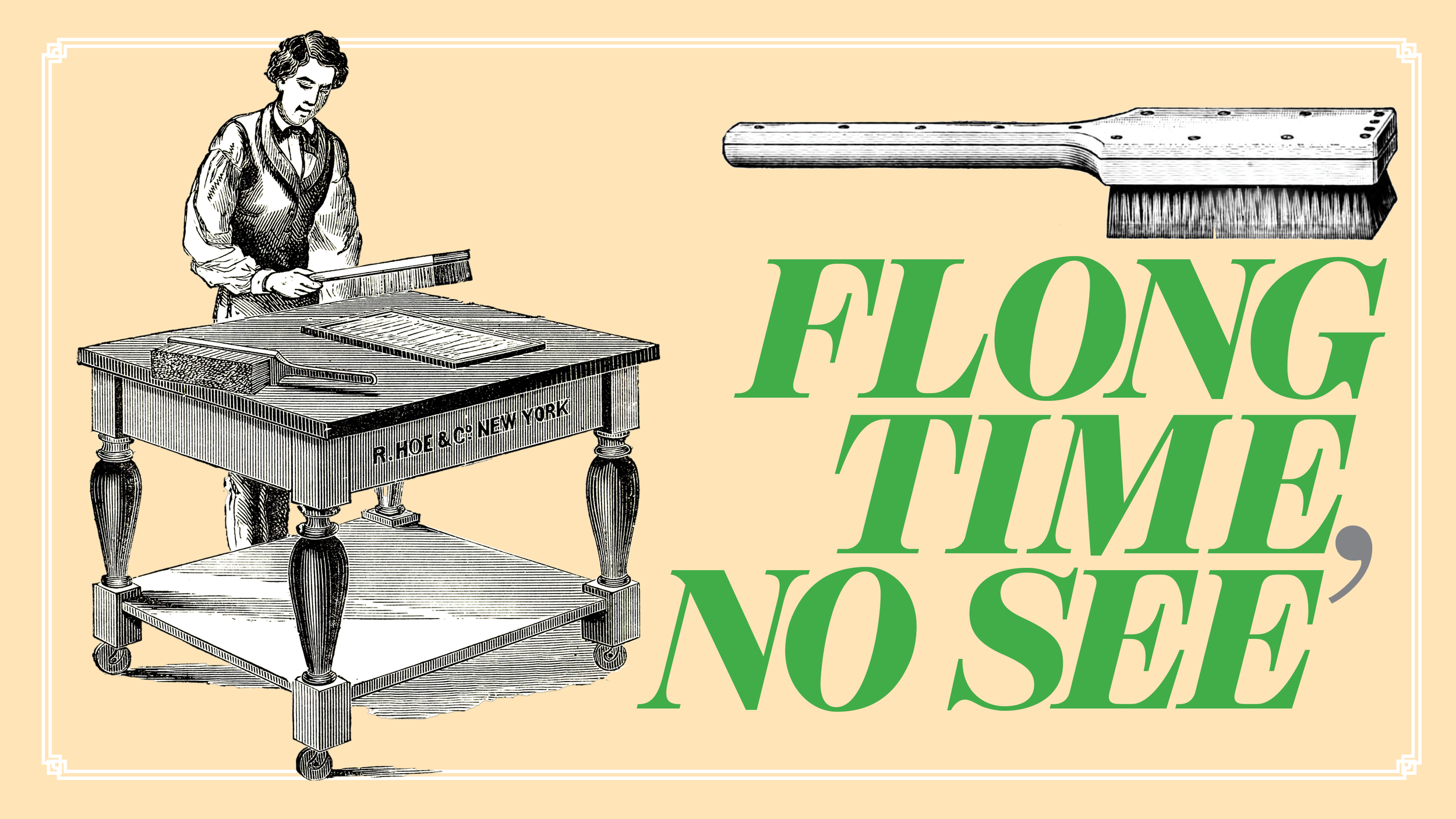
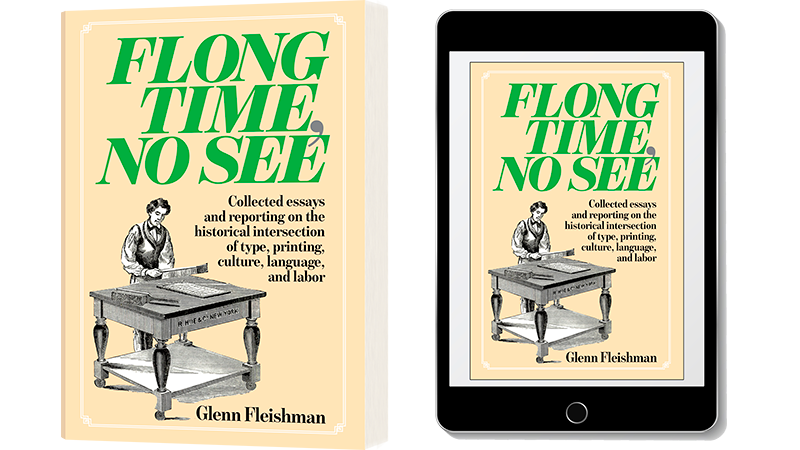
I’m happy to announce the launch of my latest book, Flong Time, No See! This book is a collection of reported work and essays I’ve written over the last seven years about topics as disparate as how a New York Times printer had a job for life for over 50 years, when magazine publishers thought they could replace typesetting with typewriters, how to find and eradicate type lice, and how boilerplate transformed from a literal piece of metal into a metaphor.

 The book comes in print and ebook editions (simulated previews)
The book comes in print and ebook editions (simulated previews)

There are over 12 stories in all, including the flagship essay on flong, a printing mold used to cast metal plates that helped speed up print production, leading to newspapers with more pages and more editions, and which was a driving force in comic strip syndication.
For more information, take a look at the campaign page, which
Books

Six Centuries of Type & Printing: a New Edition on Kickstarter

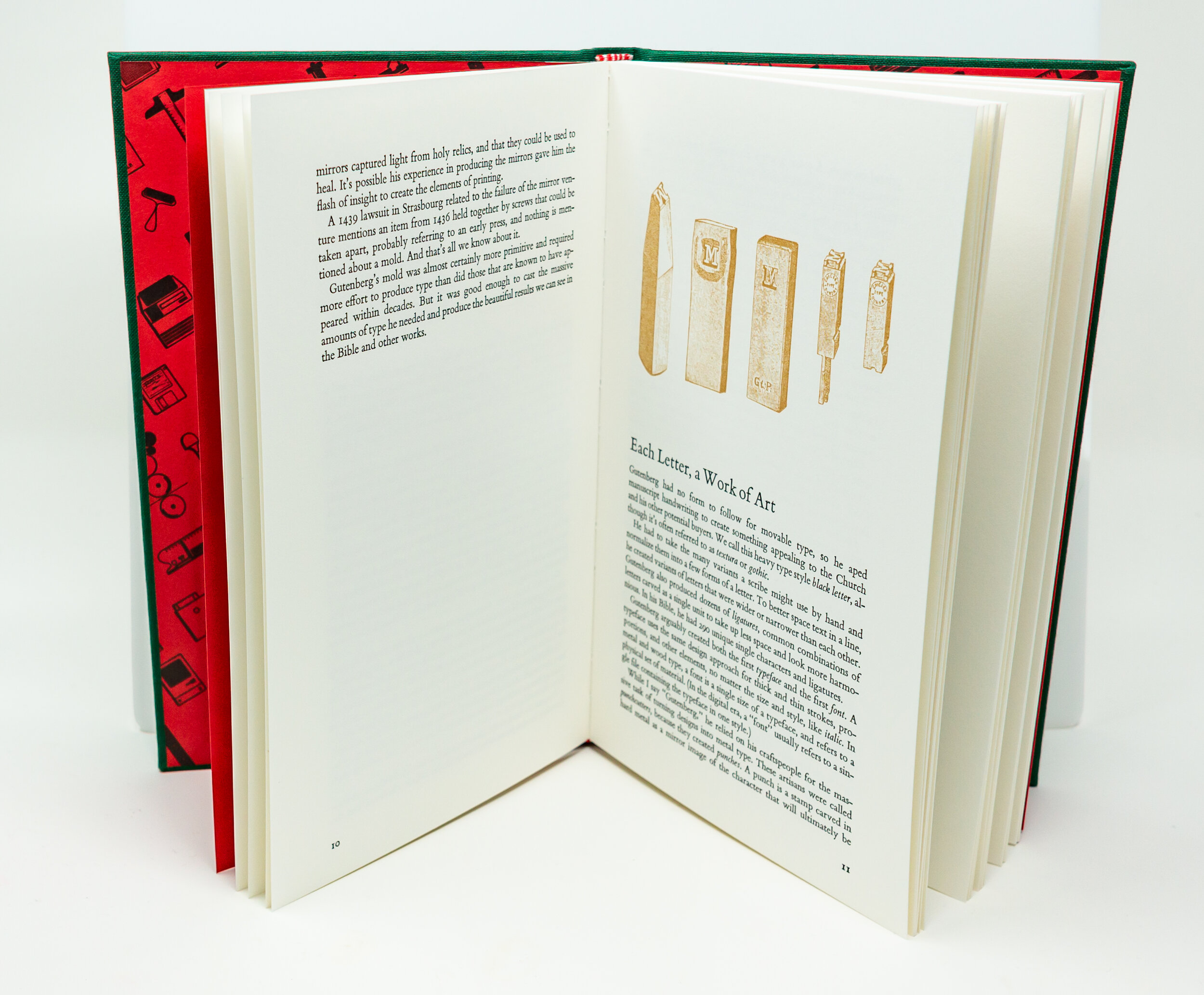
Today, I launched a Kickstarter campaign for a second edition of Six Centuries of Type & Printing. The book briskly tells the story across 64 pages of the evolution of type and printing, starting with early documented efforts and surviving artifacts from China and Korea, and introducing Gutenberg and his innovations. It then takes you through each generation of increasing sophistication in metal and relief printing until the abrupt 20th century shift into flat offset printing, which was made possible through photographic and digital improvements, and phototypesetting and digital composition.

  Six Centuries of Type & Printing ; second edition will closely match these photos of the earlier letterpress edition
Six Centuries of Type & Printing ; second edition will closely match these photos of the earlier letterpress edition

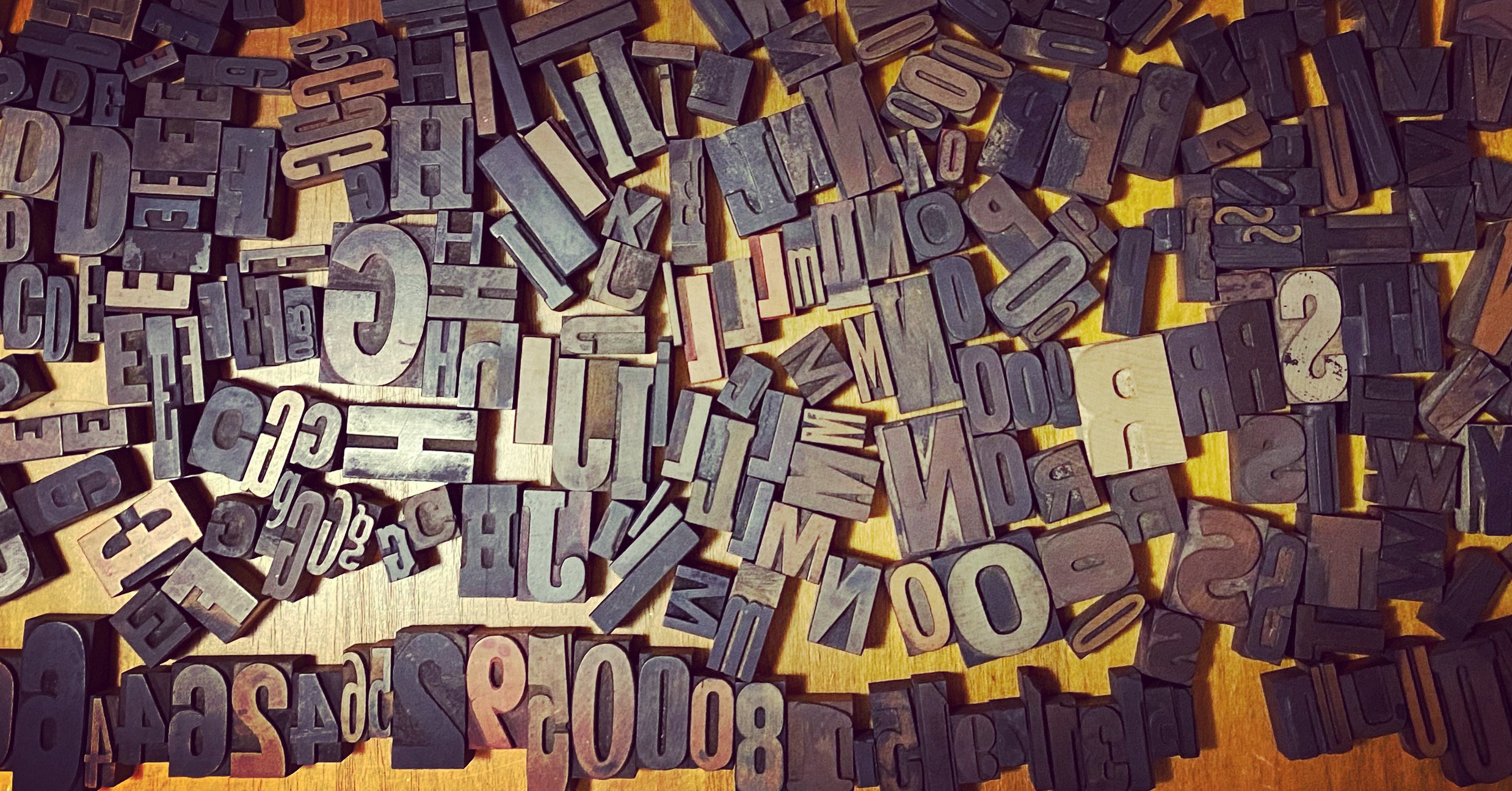
If you have been following my adventures for a few years, you might remember the 2019 project, The Tiny Type Museum & Time Capsule. Collaborator Anna Peterson created over 100 hand-crafted wooden cases, and I collected and commissioned thousands of type and printing

History

Two Upcoming Comics History Talks

I’ll be presenting two online talks in early February derived from my research for How Comics Were Made. Both talks are free to attend—one will be recorded and have a more general bent; the other, live only and more academic in focus. Both require advance registration to receive the information needed to watch. (Updated with link to recorded Feb. 4 talk.)

February 4: Newspaper Comics Production in the Era of Mechanical Perfection

Watch the recorded video of “Newspaper Comics Production in the Era of Mechanical Perfection,” New York Comics & Picture-story Symposium: event occurred February 4 at 4 pm PST/7 pm EST. I’ll be talking about how many mechanical processes came together to create a complicated but routine way to print newspaper comics in the metal and mechanical age. The long-running weekly symposium is a great source of past and future insight into comics and storytelling

Bookselling

A Tense Change in My Book

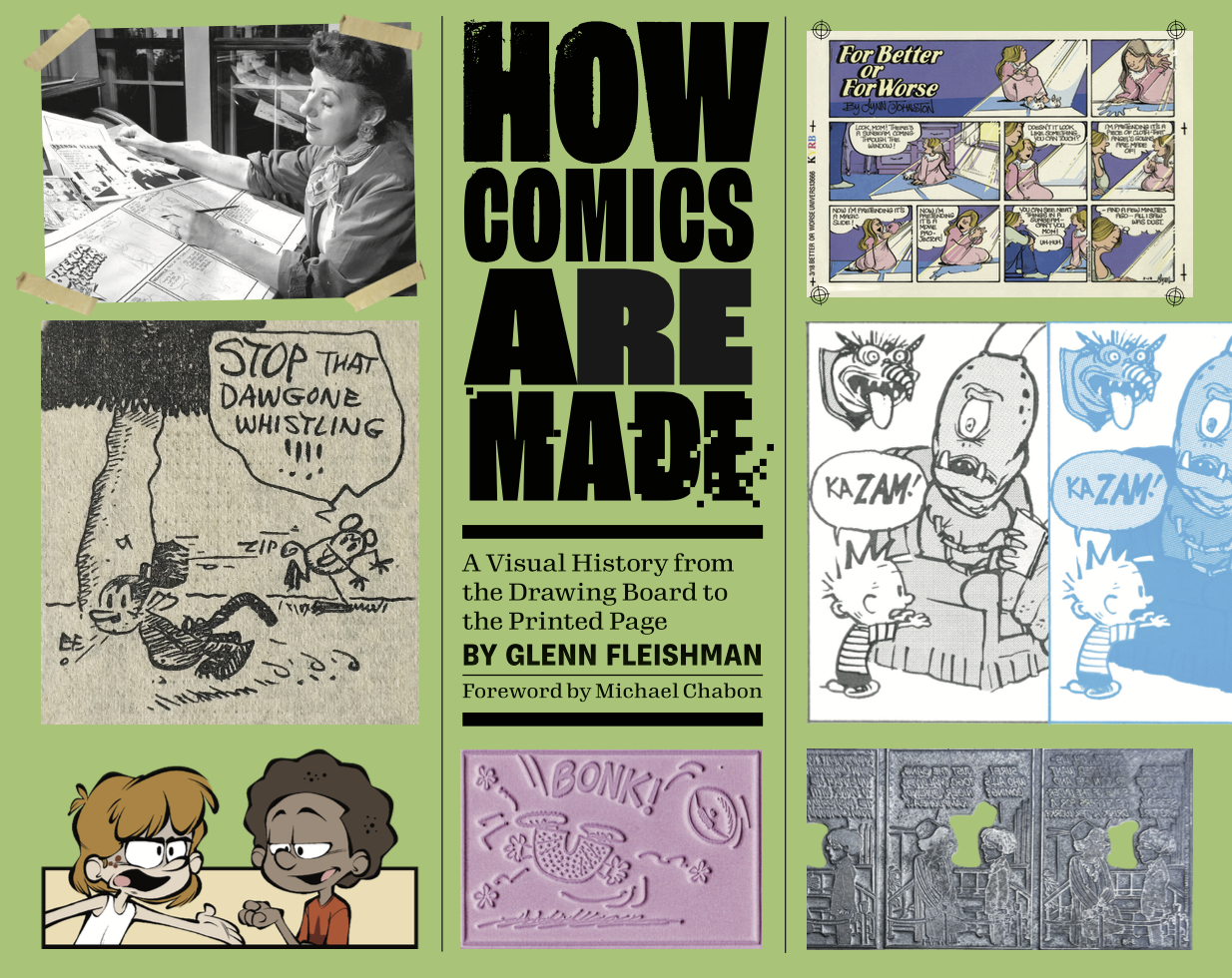
Wait, tense as in the time indicated by the verb—not as in the action! My book How Comics Were Made has been acquired by Andrews McMeel Publishing and will be issued in a second printing, shipping in June 2025. My Kickstarter edition—which remains for sale while copies last—is a laminated softcover with French flaps. The Andrews McMeel retail version will be a hardcover with a dust jacket—a nice contrast. It will also be sold under the name How Comics Are Made with a refreshed cover to which I updated design elements.

 The new cover of the “trade” edition, available in bookstores in June 2025
The new cover of the “trade” edition, available in bookstores in June 2025

The new printing will have almost exactly the same content but reach a far broader audience. Among other things, Andrews McMeel has international distribution directly and through partnerships, so if you live outside of North America, you’ll be able to get

Cartooning

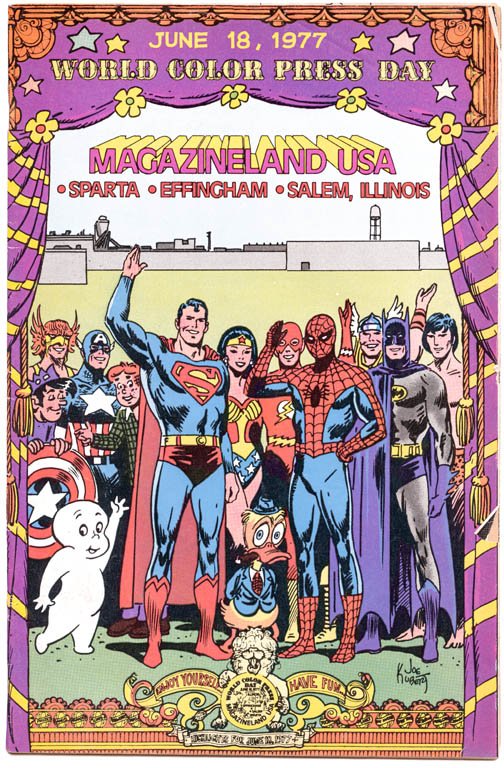
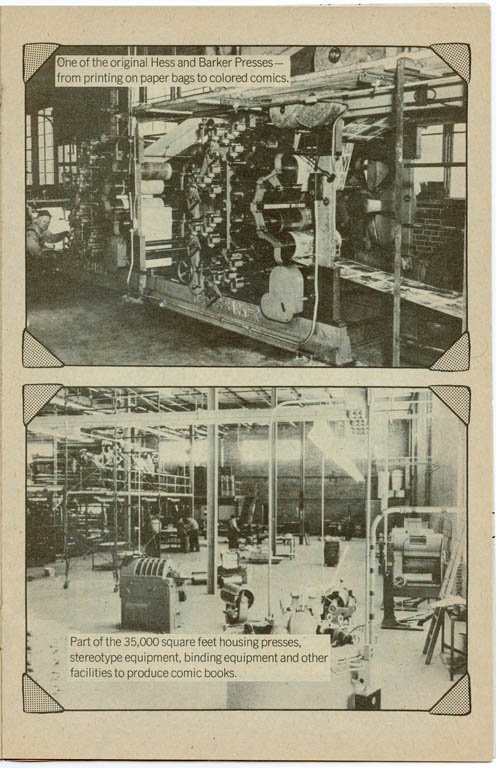
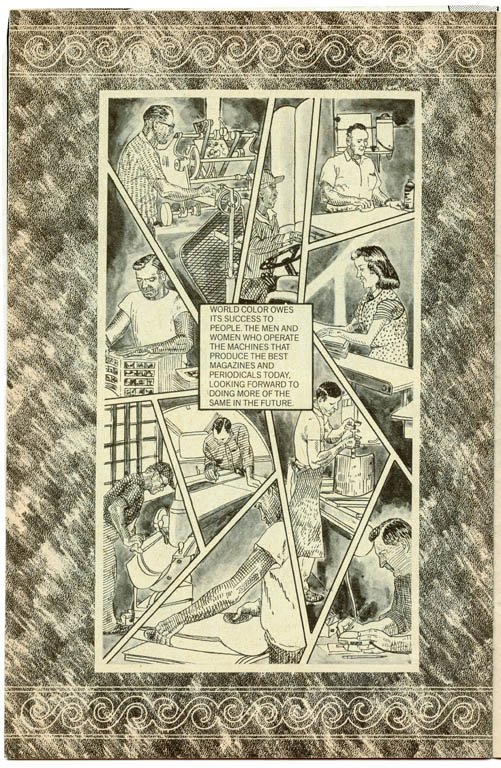
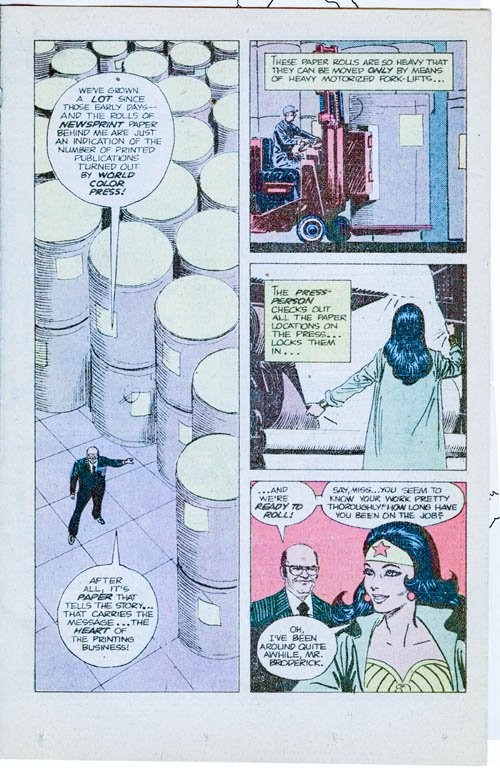
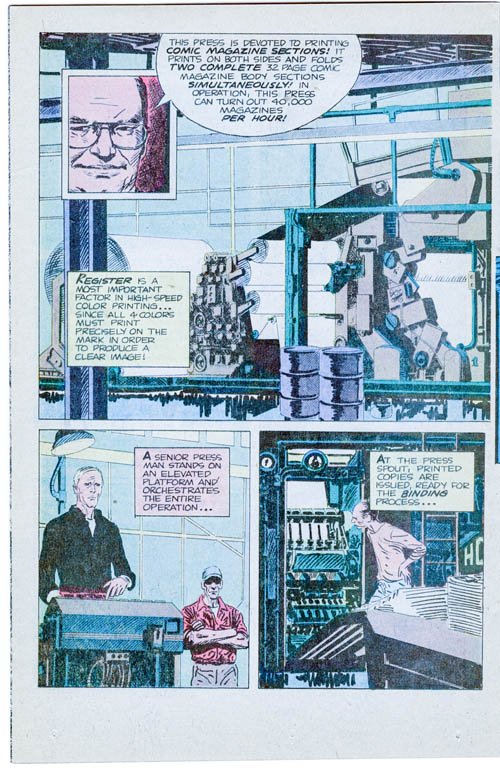
Bonus: How Comic Books Were Made

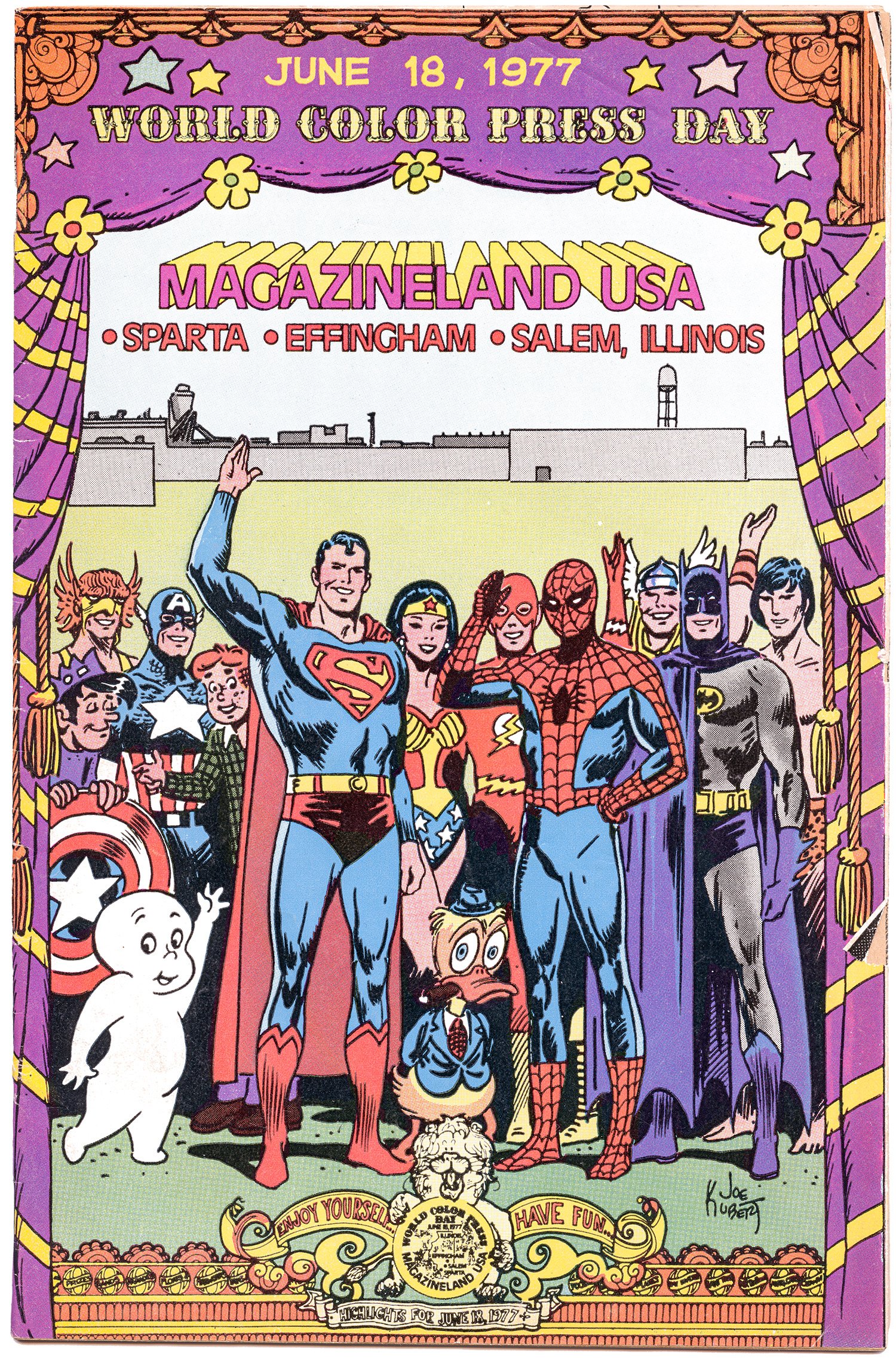
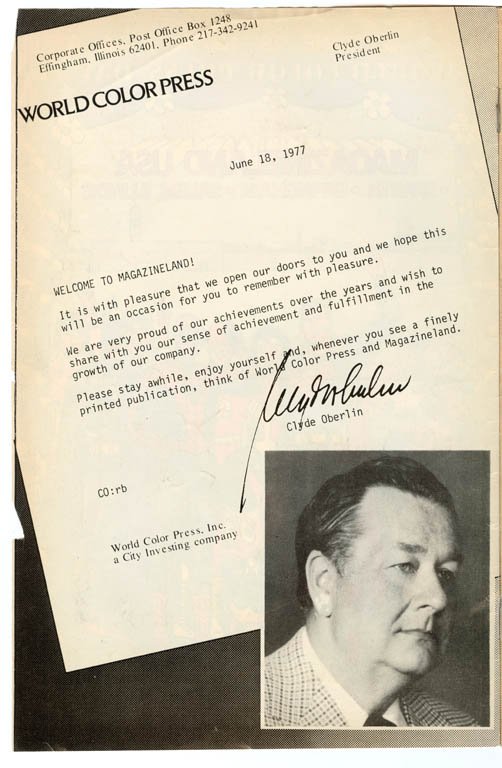
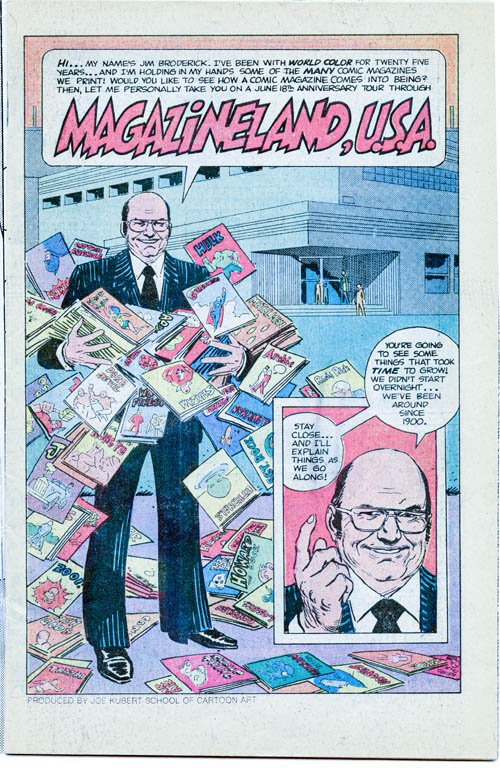
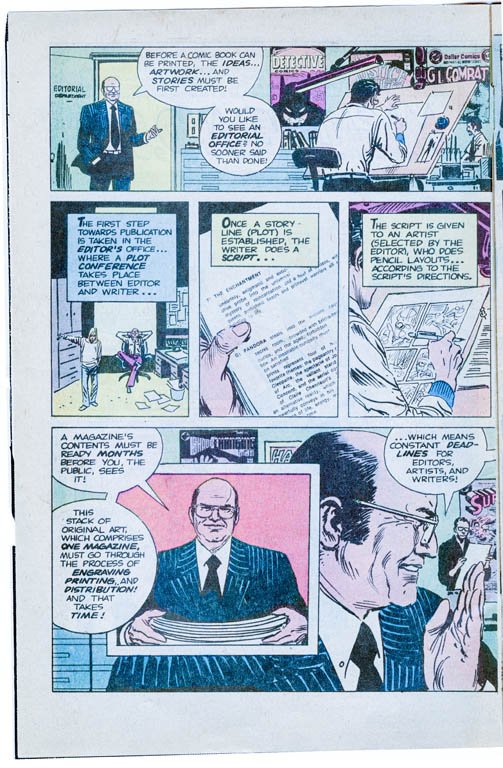
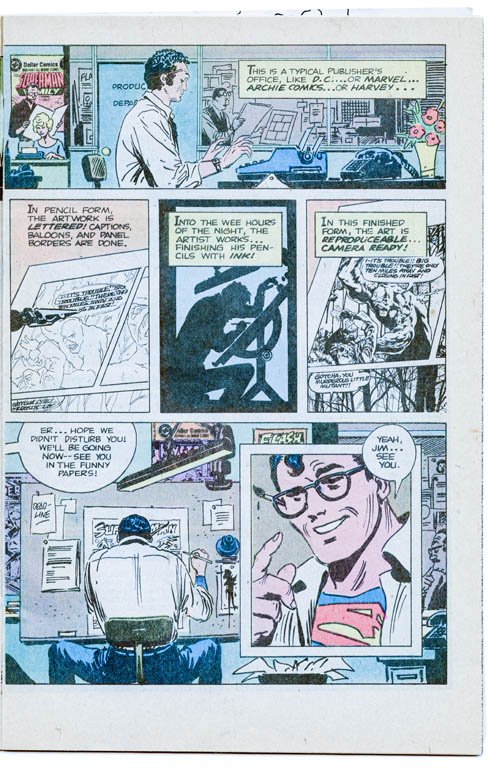
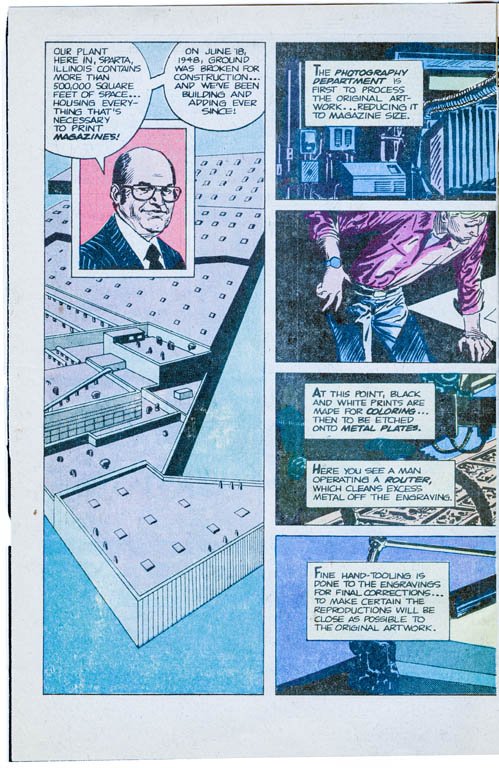
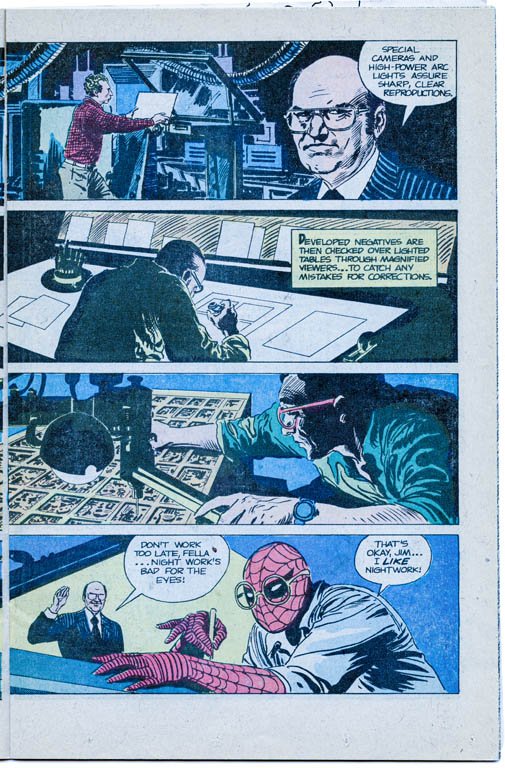
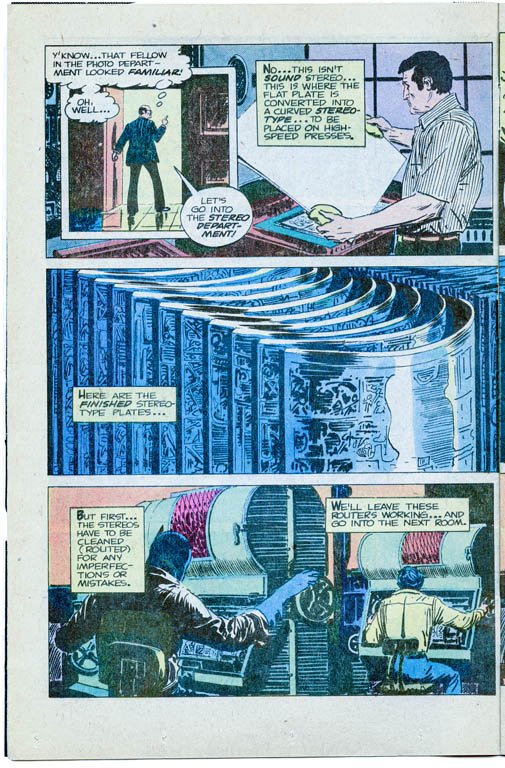
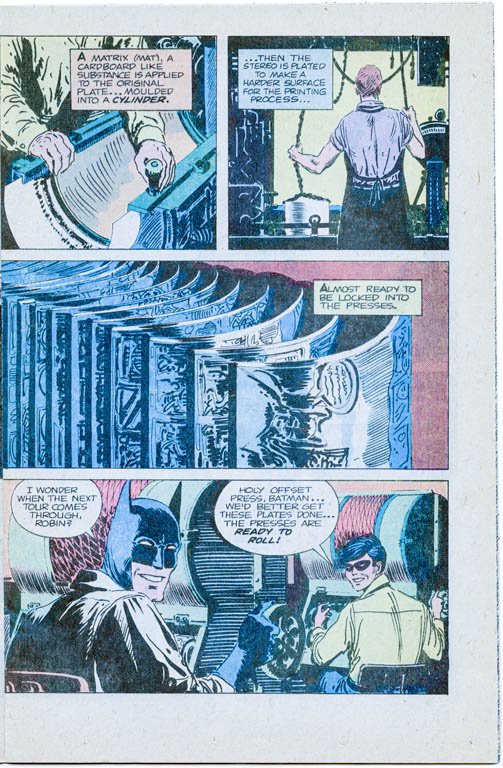
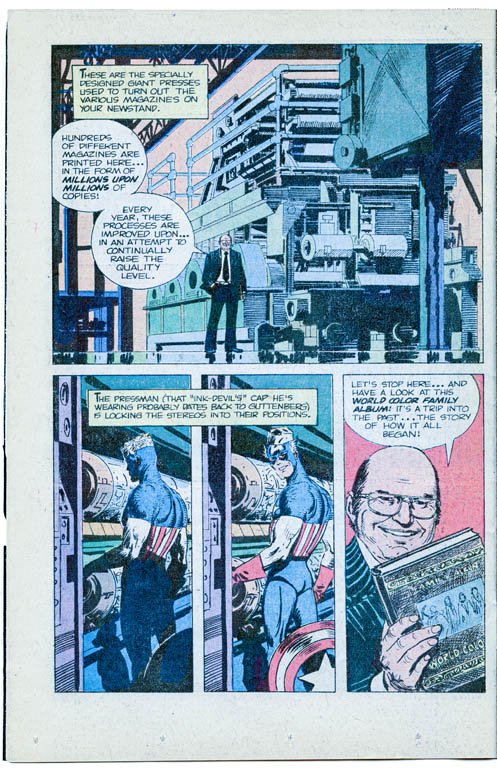
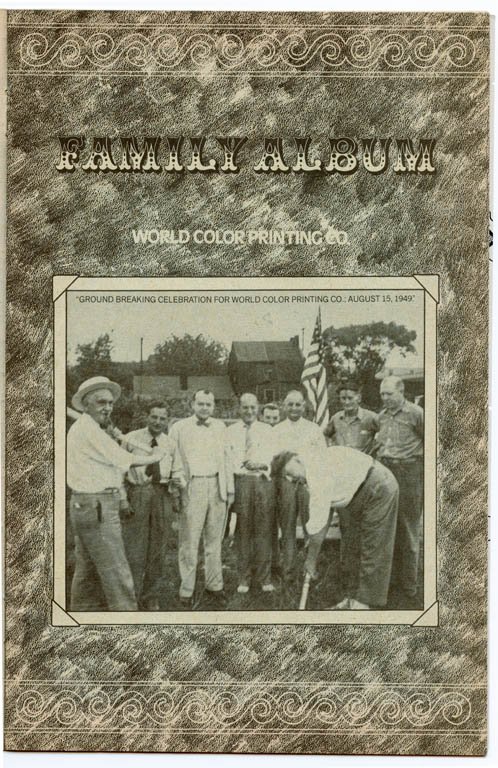
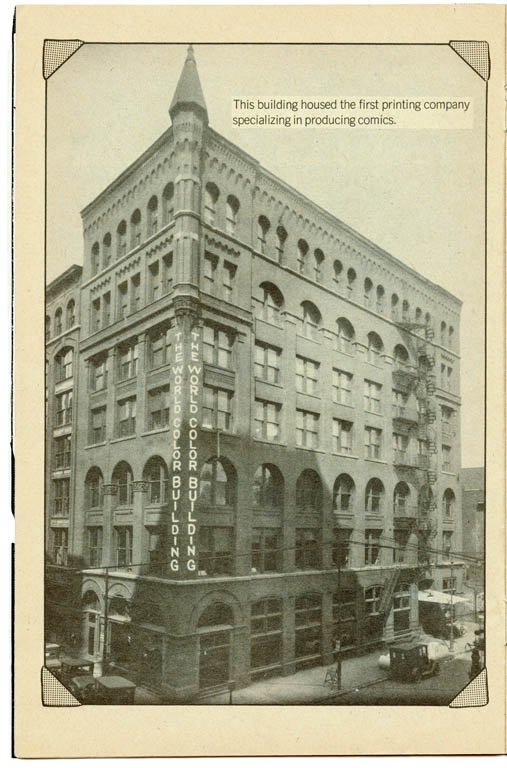
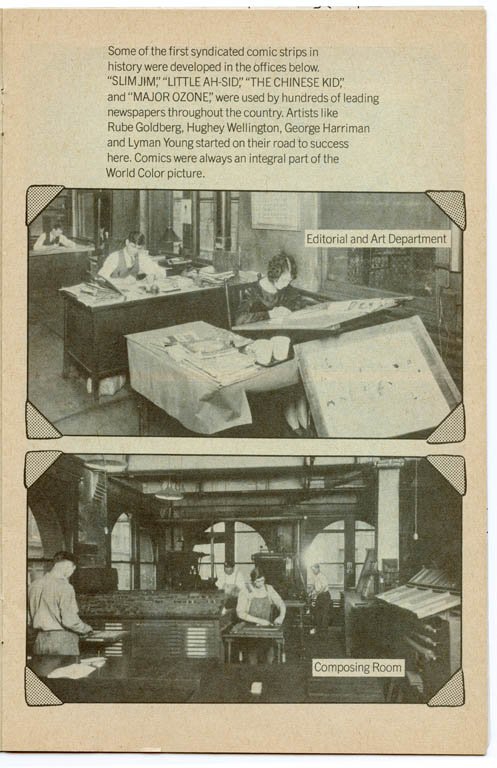
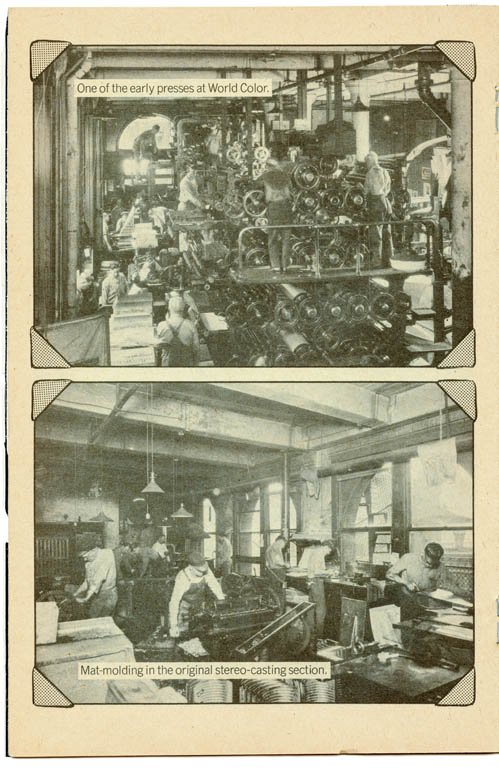
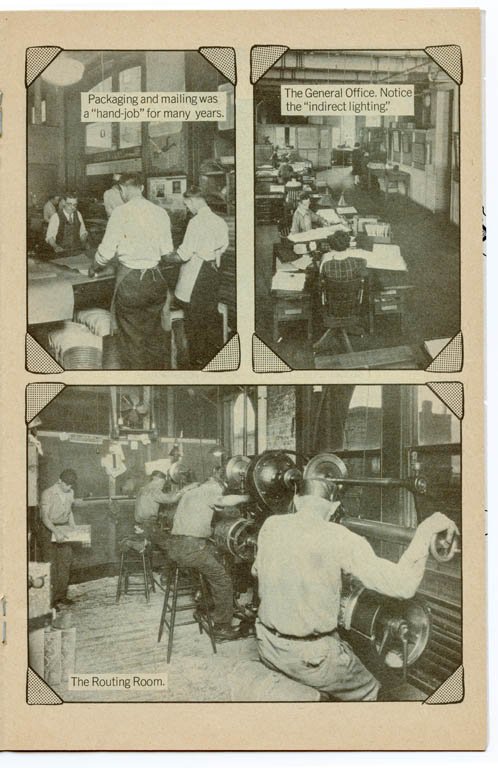
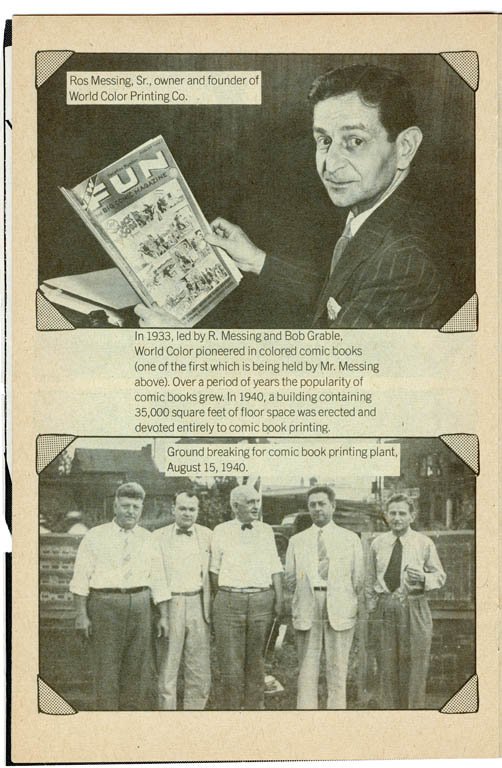
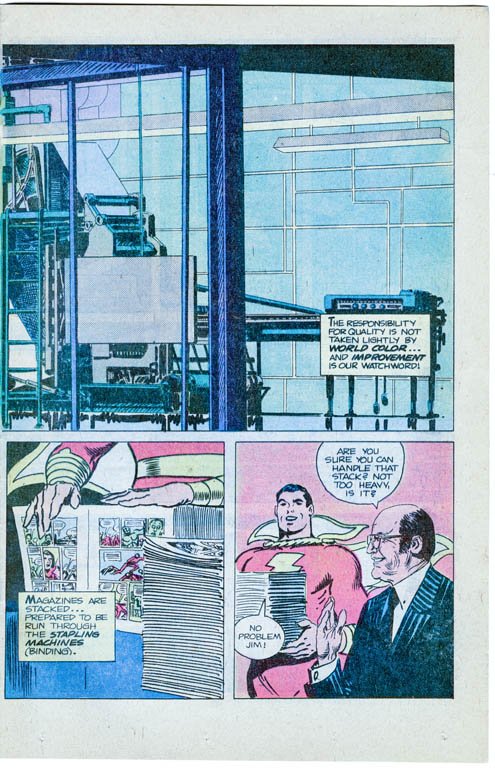
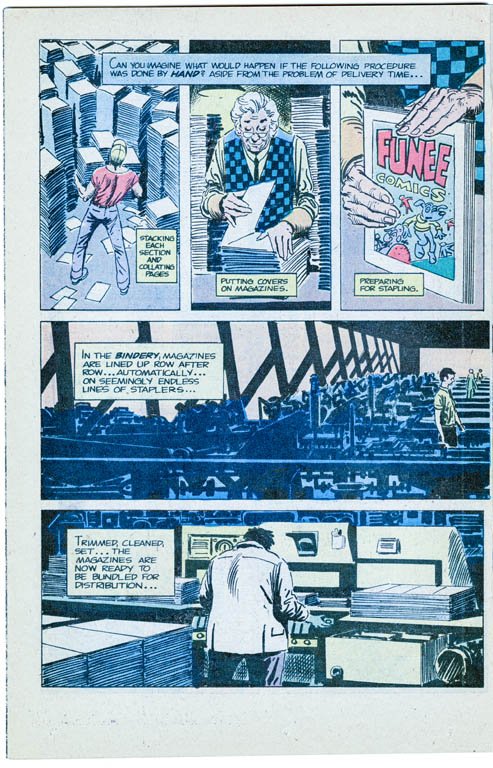
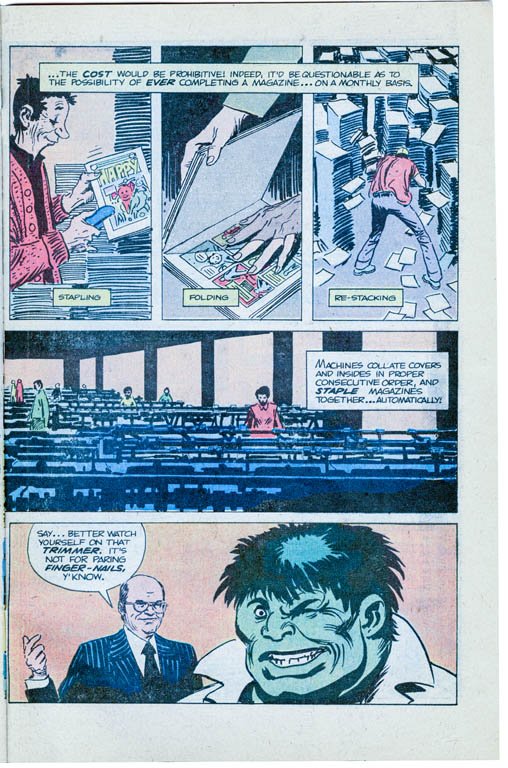
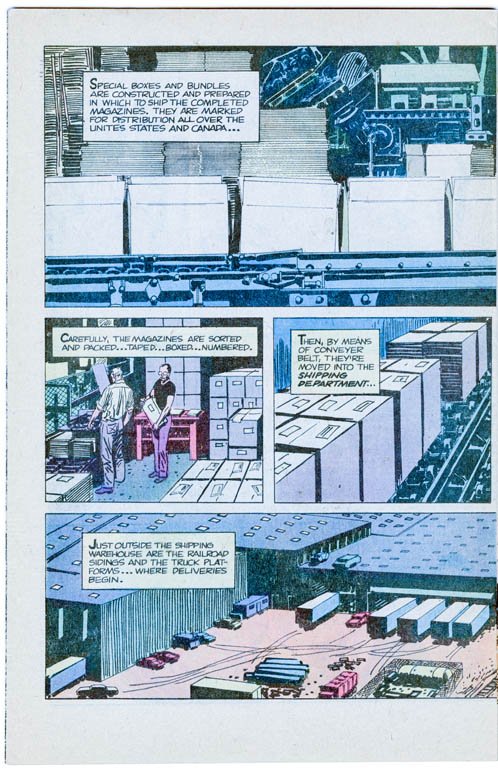
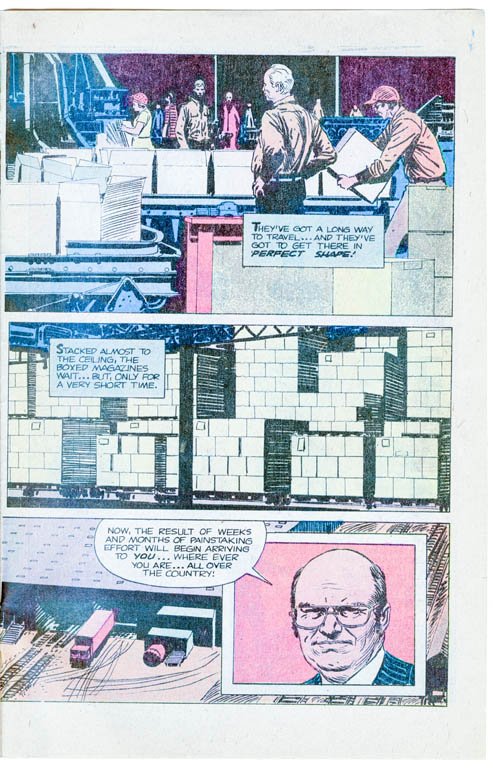
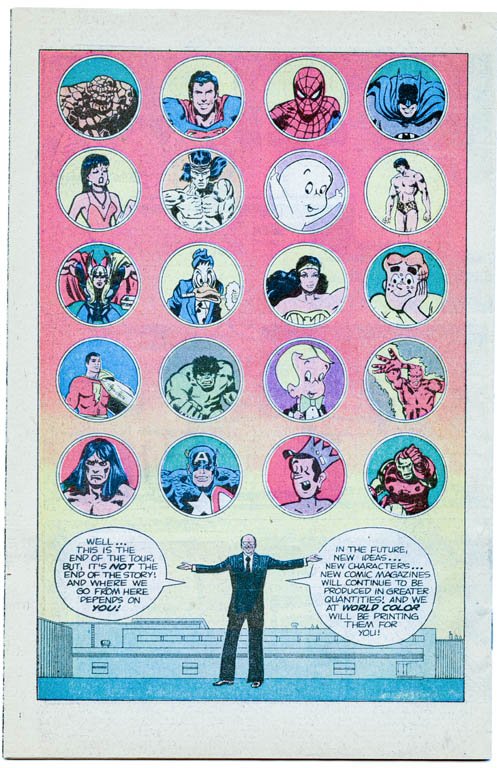
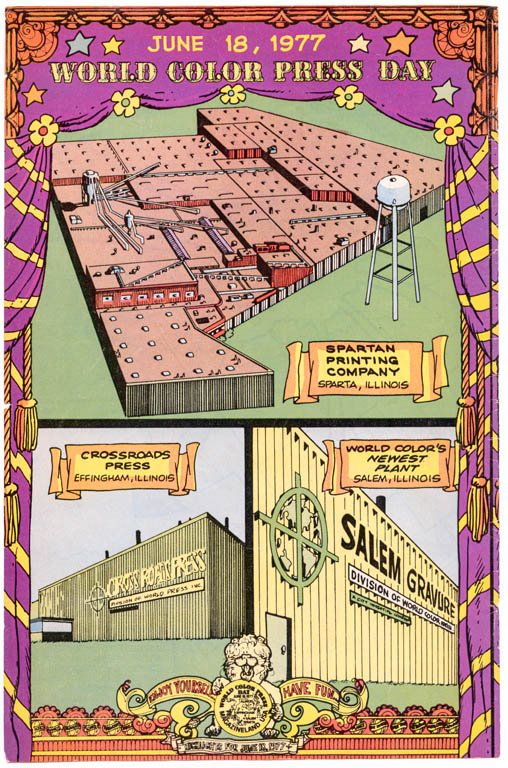
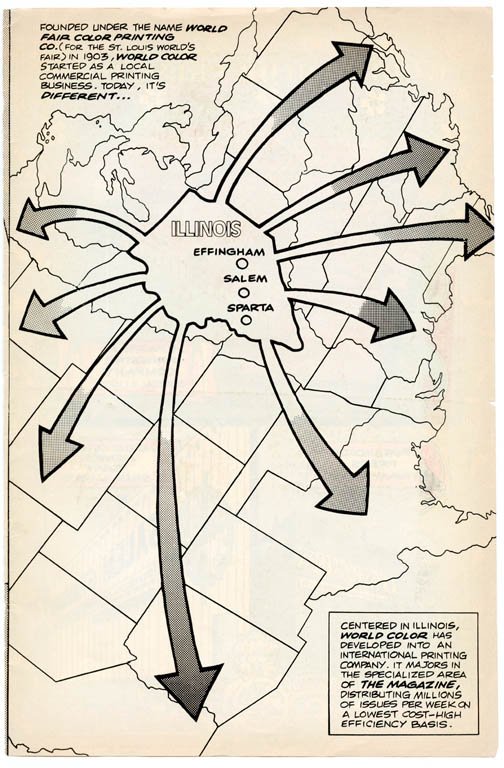
During a conversation recently with former DC Comics president Paul Levitz, he mentioned something I’d never heard of: the World Color Press Day comic book from 1977, published by World Color Press, the biggest comic-book printing firm in the country. The company got permission from the major publishers to include versions of Superman, Archie, Spider-Man, and many others—unheard of!

After finding a low-res incomplete scan online, I purchased an affordable copy off eBay, which I scanned and turned into a PDF you can download here.

The comic shows many aspects of comic-book printing, most of which are identical to comic strips, but with certain optimizations or standards used for the “floppy” comic-book format. As the booklet was distributed to the public in 1977 without the copyright notice required at the time, it is in the public domain.

Books

Last Copies of Six Centuries of Type & Printing

I’m down to the last 50 24 copies (as of September 2024) of my book Six Centuries of Type & Printing. If you were interested in a copy, now is the time! The price includes the letterpress edition, an expanded book edition (which features a full bibliography), and U.S. shipping.

 Interior spread of  Six Centuries of Type & Printing
Interior spread of Six Centuries of Type & Printing

Back in 2019, when I launched the Tiny Type Museum & Time Capsule project, I envisioned a short edition of a book to include with the museum. The museum would have artifacts, uniquely created items, and a “curator’s manual” specific to what was included, the book would have a broader scope. As always, I was probably too ambitious to build out the museum and book at the same time—even with project partner Anna Peterson née Robinson, the fine woodworker who built the gorgeous cases. But when the pandemic

Bookselling

How Comics Were Made: Get a Copy on Kickstarter!

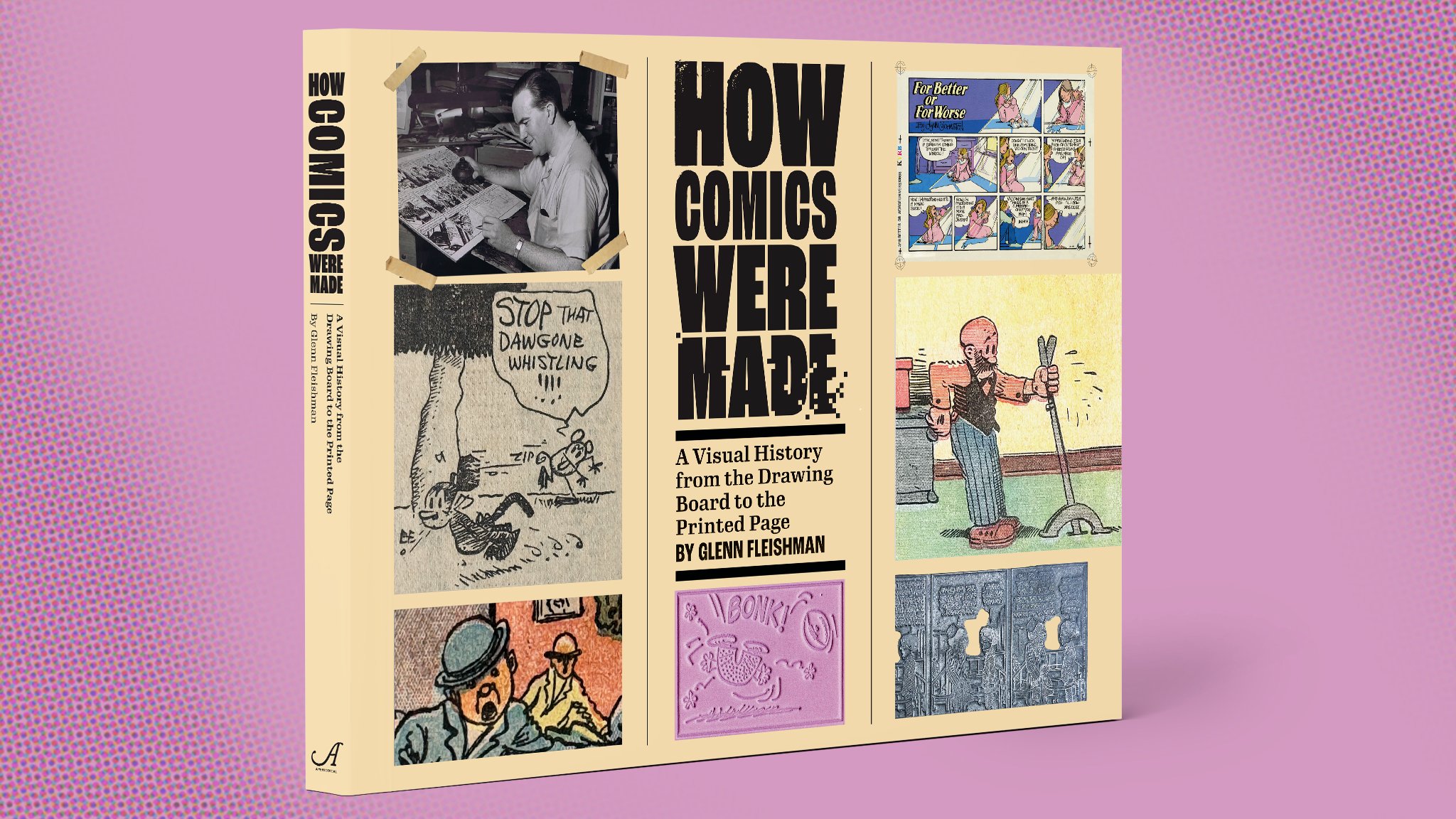
 Cover of the book,   How Comics Were Made
Cover of the book, How Comics Were Made

Years in the making, How Comics Were Made: A Visual History from the Drawing Board to the Printed Page launched this morning on Kickstarter! (Watch a replay of a live session in which I answered questions and showed printing artifacts.)

The book is based on research into the history of printing I’ve been in engaged in for the last several years coupled with visits to libraries and archives and dozens of interviews with cartoonists. It covers 130 years of newspaper cartoon history, showing original art, printing artifacts, and newspaper reproductions, examining how an artist’s drawings make their way through the production and reproduction process into print. I hope you’ll take a look!

Working with designer and cartoonist Mark Kaufman, we have a preview of a full chapter of the book for your downloading and reading pleasure.

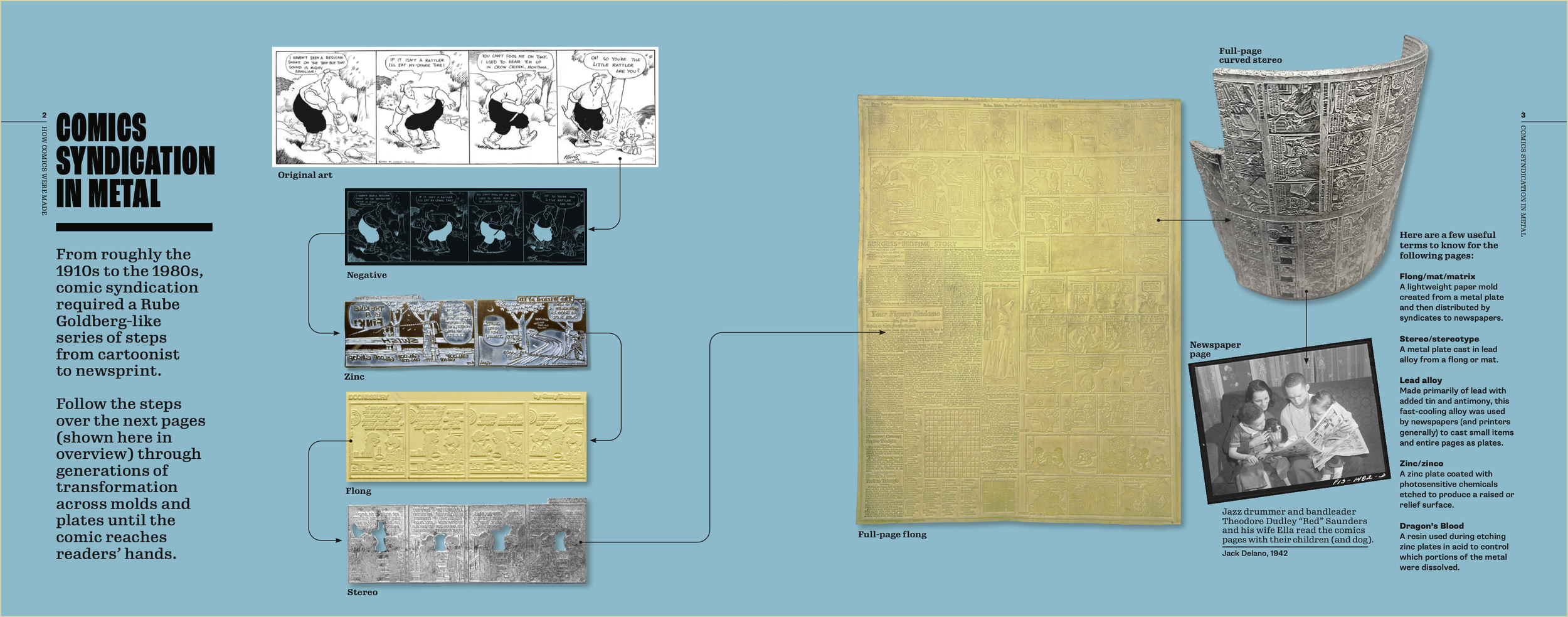
 This two-page spread from the preview chapter gives you a sense of how I’ll tell the story of cartoon artistry, production, and reproduction.  Download the whole chapter for more .
This two-page spread

Design

Panel from the Museum of Printing

It was my distinct pleasure in July to meet in person with Doug Wilson (Linotype: The Film), Jeff Jarvis (media critic, professor, This Week in Google, too many credits to list), and my friend and author-client Marcin Wichary (Shift Happens). We took the occasion of Marcin and I flying through Boston to head up to two weeks on press in Maine to meet at the Museum of Printing in Haverhill, Mass. (say HAYvrill, please!), and Frank Romano, the founder and an incredibly important figure in modern printing history, teaching, and research, was so kind as to invite us to do a panel and interview us.

The video from that is up, split into three 20-minutes pieces. Links are part 1, part 2, and part 3, or you can use the embeds below.