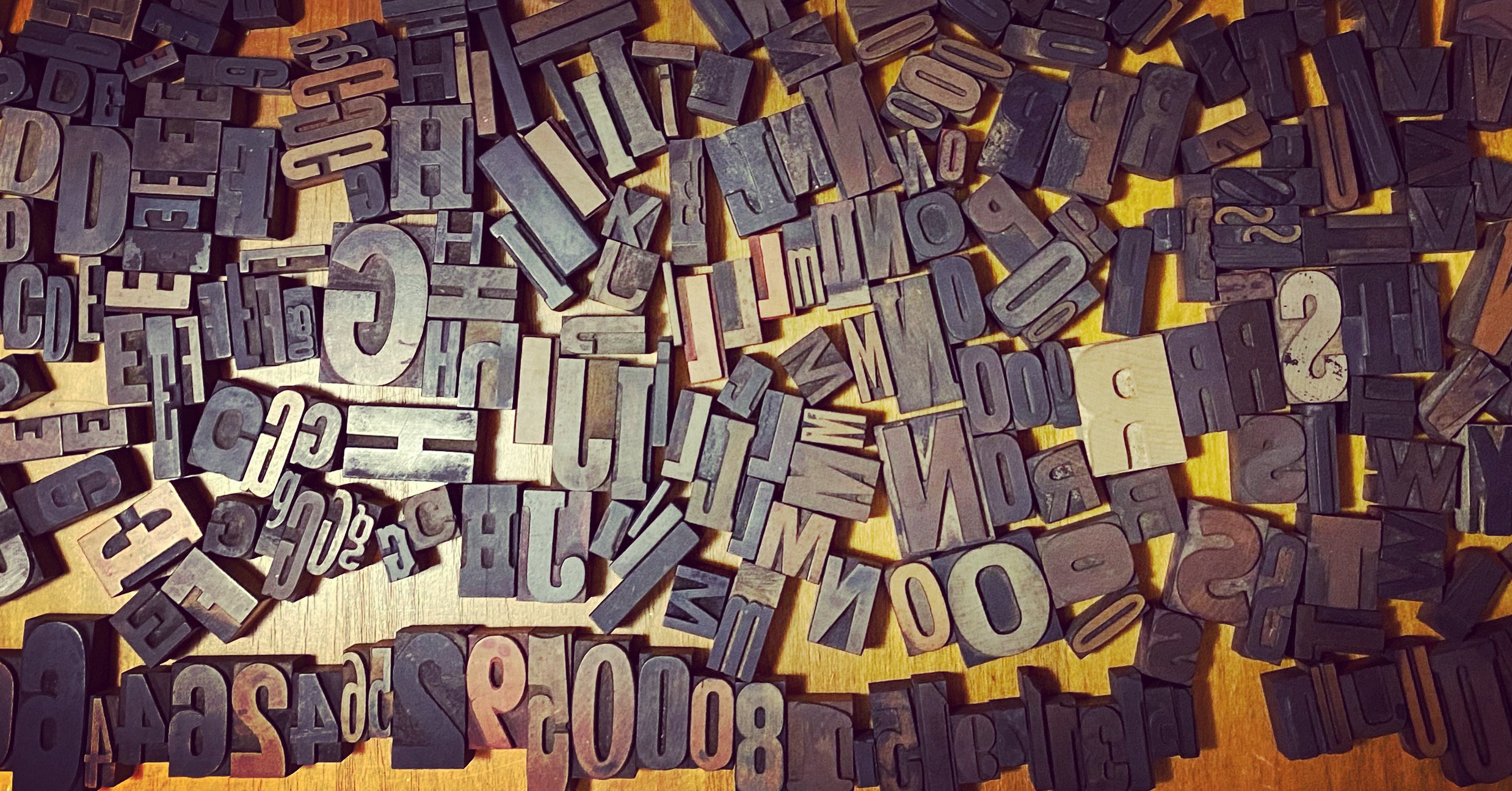
The Typewriter Is Not a Typesetter: the 1919 Magazine Strike in New York

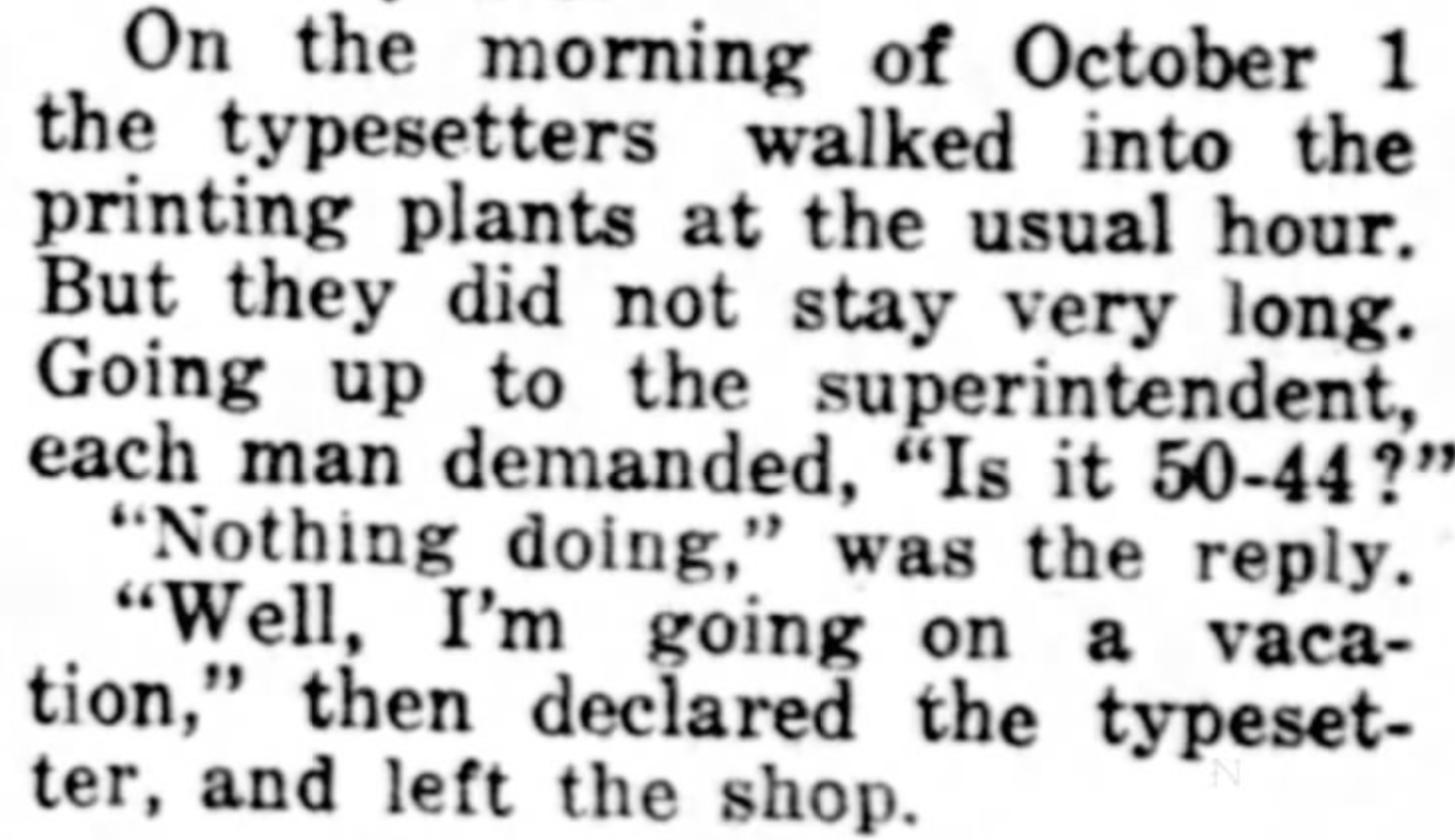
On October 1, 1919, typesetters and printers at job shops in New York said they were taking a “vacation” and walked off the job. This wildcat strike hit dozens upon dozens of magazines, which largely relied on job typesetting, as opposed to newspapers who had composition in house. The international unions didn’t authorize a strike, but “Big Six,” a powerful New York typographers’ local, found a way to cause one in effect.
The reason? These printing plant employees wanted a $50 wage for a 44-hour week, up for $36 for 48 hours—“50–44” was the slogan.
Publishers were aghast, but some thought they had a plan: Replace typesetting with typewriting! It worked, to a degree, but publishers and anti-union advocates promoted the method as a way to replace typesetters and break an effective monopoly. That didn’t happen.
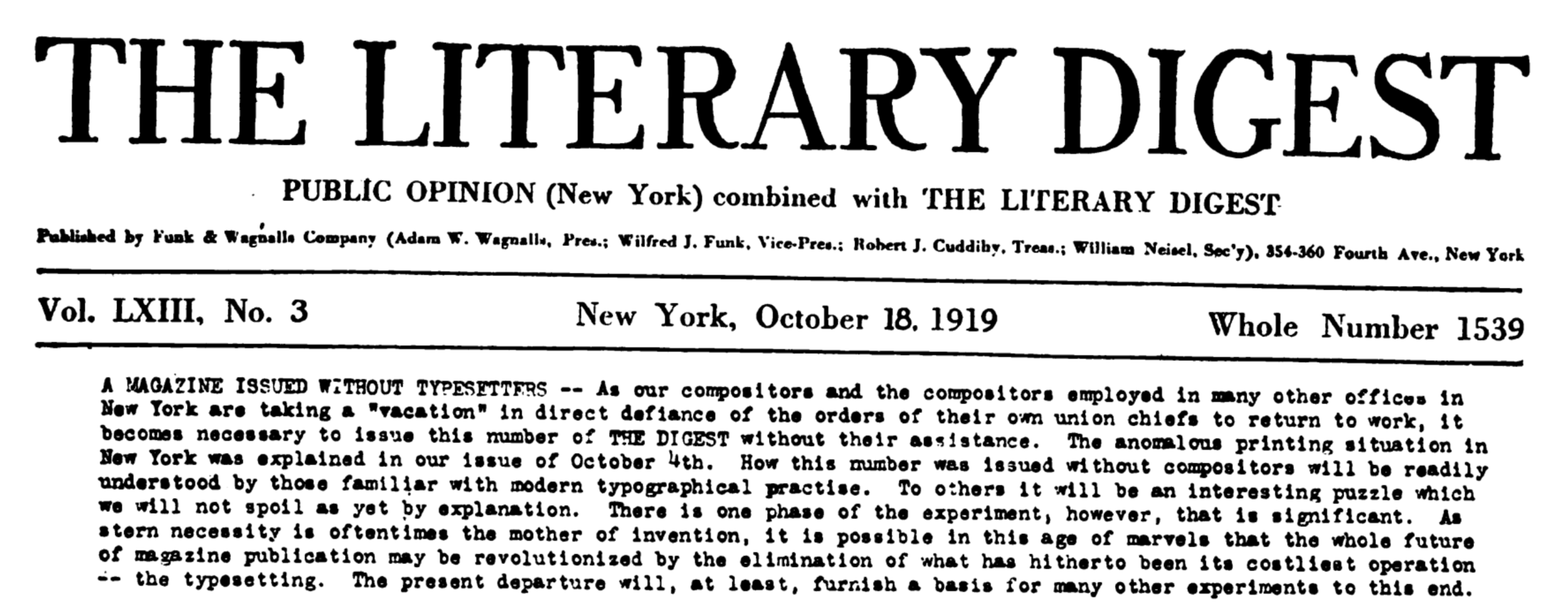
At my Patreon site, I just published a 5,000-word article detailing the parallel history of typewriters and typesetting machines, the strike’s details, and the use of “callitypy,” or beautiful typing, to produce magazine issues and even a book when nothing else was available.
The article is currently available to patrons at the $1 a month or higher level; you can cancel patronage at any time. The Patreon support gives me the freedom to research and write articles like this, documenting forgotten or interesting bits of history, as well as to travel to conferences, deliver and record talks, and produce an upcoming podcast series.
