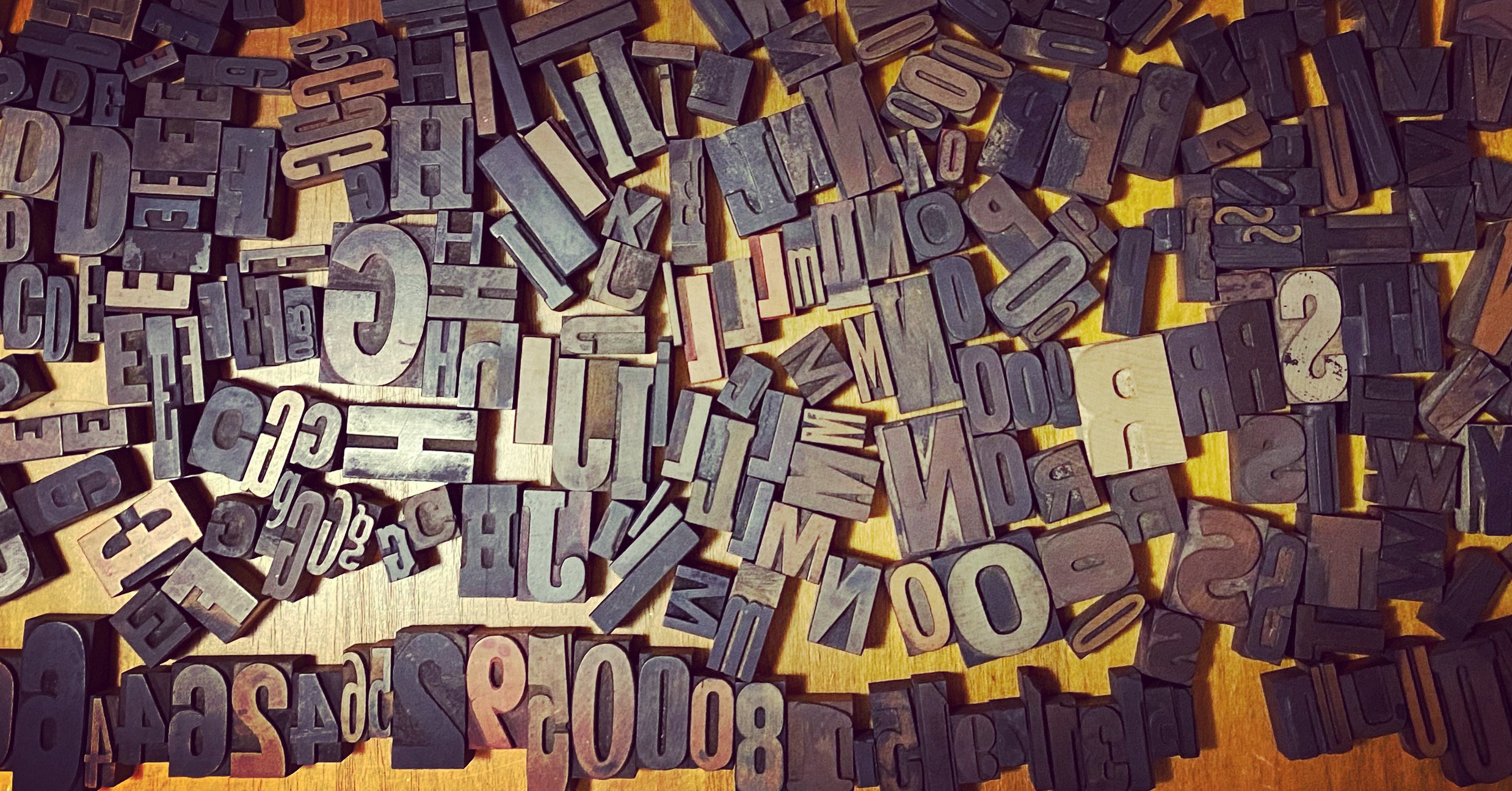
Monotype Electro Type Matrix: 3D Model and 3D Print


My latest Kickstarter project to celebrate printing history and ensure knowledge of the past continues to be remembered in the future is now up: the Monotype Electro Type Matrix: 3D Model and 3D Print aims to create a detailed 3D model of a historic kind of type mold used to make metal type for hand setting, and then produce 3D prints from it. The project will model a single matrix as a base form, and then I will distribute the digital file under a broad Creative Commons license to allow others to build upon it. (Backers get exclusive rights to the model for the first six months, then I’ll re-release under the expansive license.)
Monotype created this kind of matrix, the term for a mold in the printing world, to compete in the large-scale production of type larger than its first market, the smaller sizes used for runs of text in books, magazines, newspapers, and other media. It was used widely across the 20th century and remains in use at active commercial and personal foundries today.
The Electro Display Matrix allowed rapid production of single pieces of type, from 14 to 36 points, to fill out type cases used for hand composition. A foundry had to create dozens of molds for each size and style of a typeface to cover uppercase, numbers, and punctuations; for a full assortment of upper- and lowercase and other symbols, they would produce well over a hundred—even into the hundreds.
The process of making these molds is fascinating, too, as it involved electrotyping. This electro-chemical system was a kind of early “photocopier” for metal type, because you could take an object and deposit a coating of copper (or other metals) on top of it. Remove the object, and you had a perfect mold. Electrotyping was used to pirate type, but foundries also used it as a much faster way to create type from scratch. Making punches required incredible skills to coax slivers of steel off the end of a hunk of metal and then hammer it carefully into copper or another soft metal to make a matrix. With electrotyping, a type designer could carve characters in soft type metal and quickly produce molds for prototyping or production.
Find out more about the campaign and pledge to get the digital model, a 3D print, or historic type matrices.
