Considering Apple at 50

Many friends and colleagues have written recent reminscences of their first experiences with the Mac as Apple celebrates its 50th anniversary. See:
- Thanks for the wild ride, Apple. Let’s keep it going by Jason Snell, founder of Six Colors and former editor-in-chief of Macworld (and recent Jeopardy! contestant)
- This machine changed my life by Antony Johnston, novelist, graphic novel and videogame writer, and musician
- Another life changed by the Mac by Shelly Brisbin, an accessibility expert, public radio producer, and writer
- Apple at 50: From rebel to empire? by Six Colors writer and sci-fi author Dan Moren, also a recent Jeopardy! contestant
- Apple at 50: Gonna be, gonna be golden by PCalc developer James Thomson
- My turn: Apple at 50 by Chris Breen, writer, musician, and possessor of an extraordinary mane of hair
Apparently, I wrote my reminiscence in 2011, when Steve Jobs died. Below is an updated version, with a greater focus on the Mac side of things.
I first used a Mac in 1985, when my journalism teacher, Sue Barr,* with great foresight, managed to get the budget to buy Macs to replace our ancient Compugraphic typesetting gear. I was the newspaper’s (paid!) typesetter, and so she sent me home over Christmas break with a Mac to learn PageMaker 1.0. A remarkable bit of thinking on her part, and I thank Sue forever for that. I had already been going down the path to graphic design.
As someone who had learned paste-up in high school, and spent every week writing stories with a typewriter, cutting up typeset copy with an X-Acto knife, waxing it, then pasting it down on boards to be sent to the printer, the transition felt like I had been fast-forwarded into the future without a seat belt. It was abrupt—and not without faults, because PageMaker typesetting and layout wasn’t always as good as what we could do with older equipment and by hand. But it rapidly improved, and we adapted.
I wouldn’t say that, at the time, the Mac changed my life. I was impressed by it and in love with it. As someone who had owned a computer since 1980—first, an OSI C1P, then a Commodore 64—and learned multiple programming languages, the Mac was a different kind of beast. Maybe I should have been more prepared for how it shaped my life.
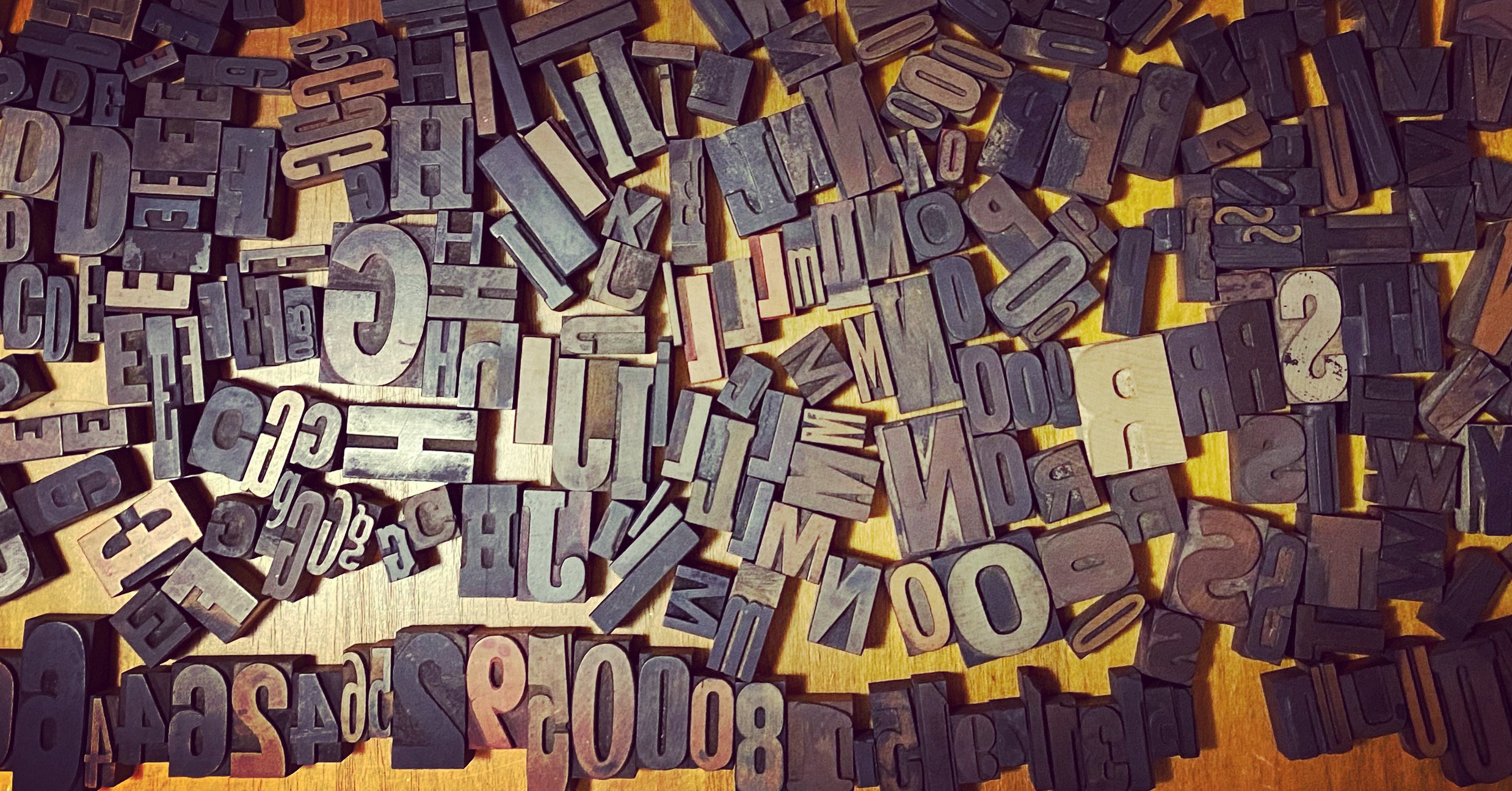
When I arrived at college, I was quickly sucked into the waiting arms of The Yale Herald, a newly started weekly publication that grew over the next few years to challenge the daily paper, the Yale Daily News, the oldest continuously published college newspaper. The Daily News was using older gear for typesetting—I swear they still had a hot-metal typesetting machine and a paid professional (adult) compositor on staff! The Herald used PageMaker and Macs, initially in the college computer labs. (Apple had heavily courted colleges in those days, and sold Yale piles upon piles of Macs cheaply.)
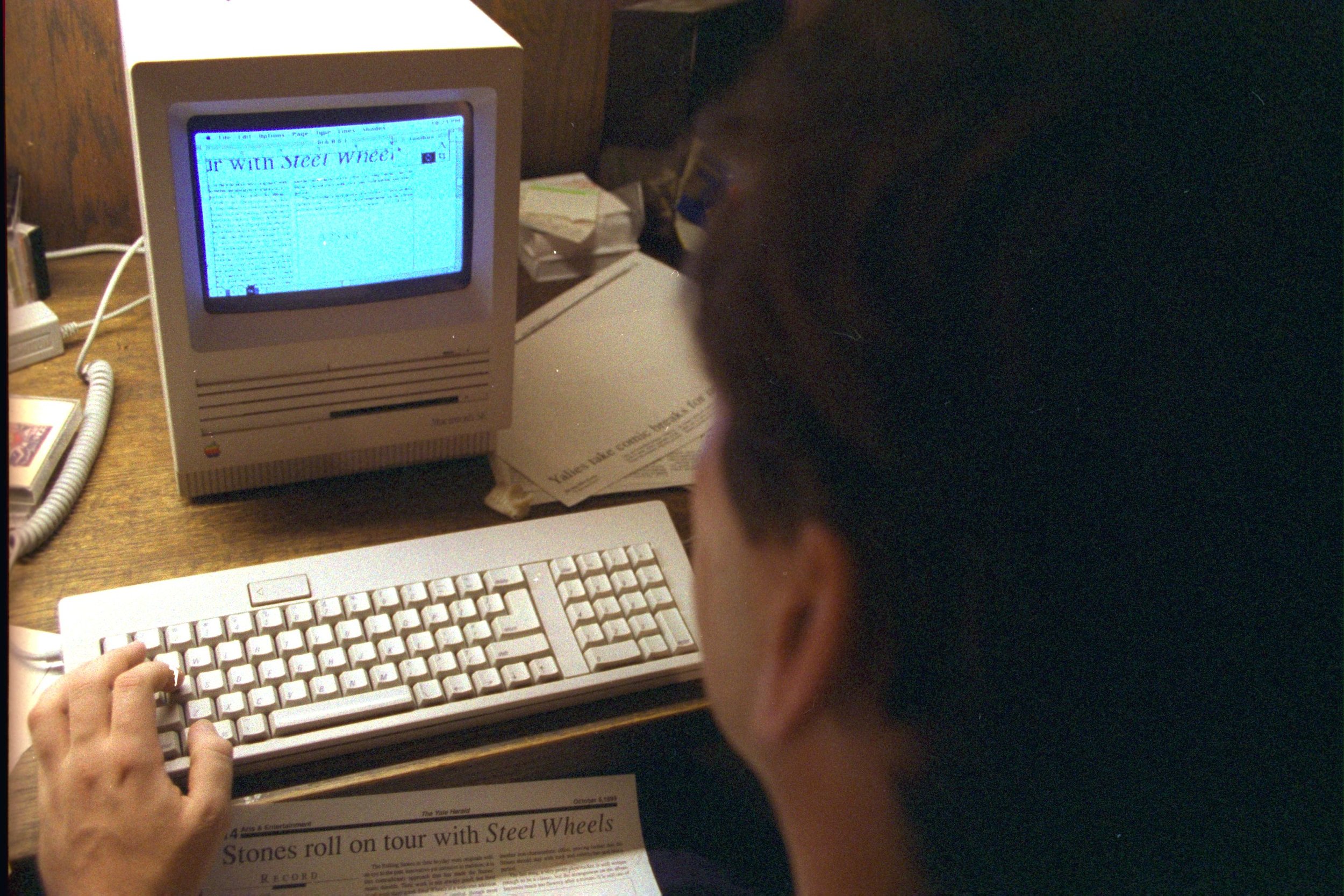
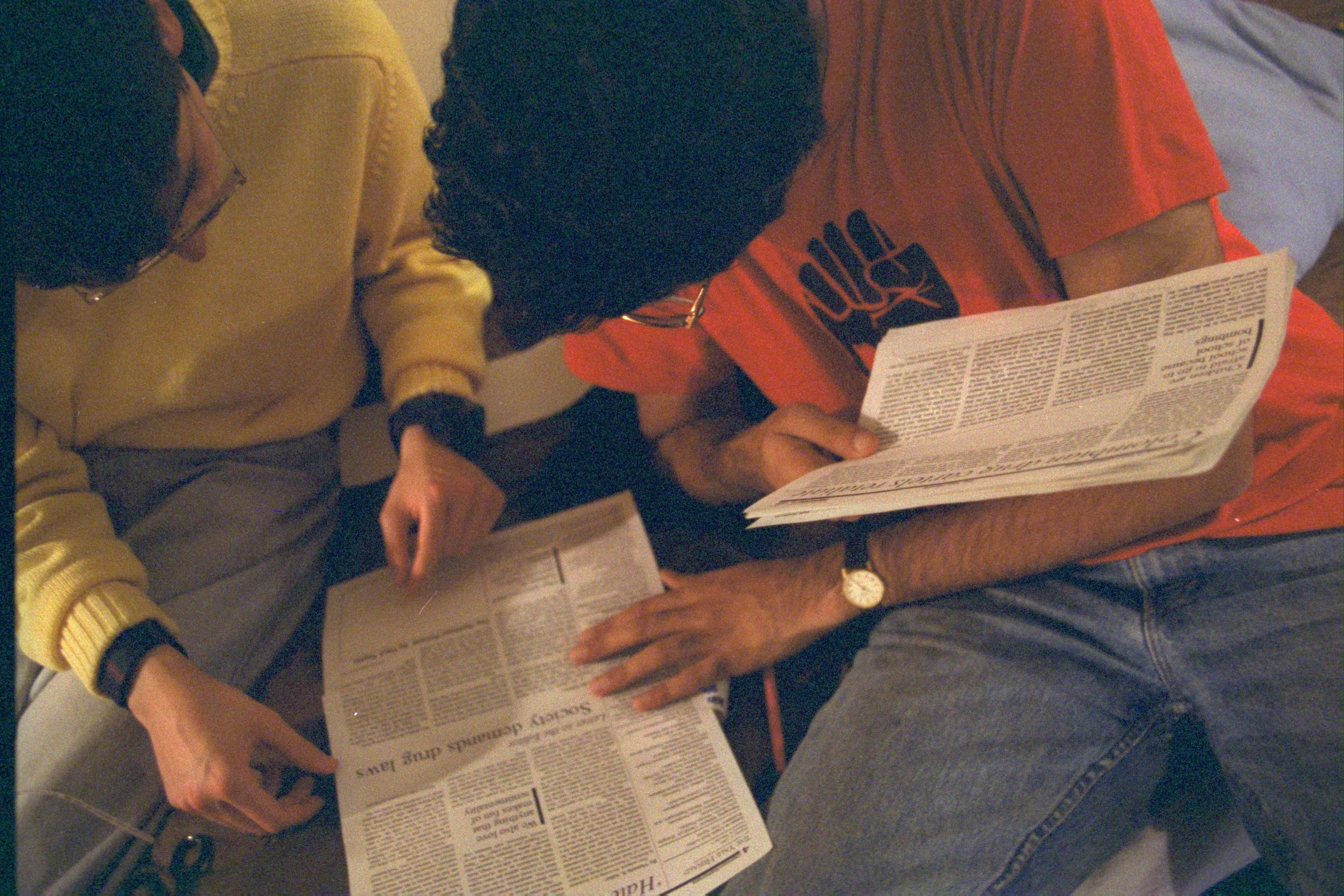
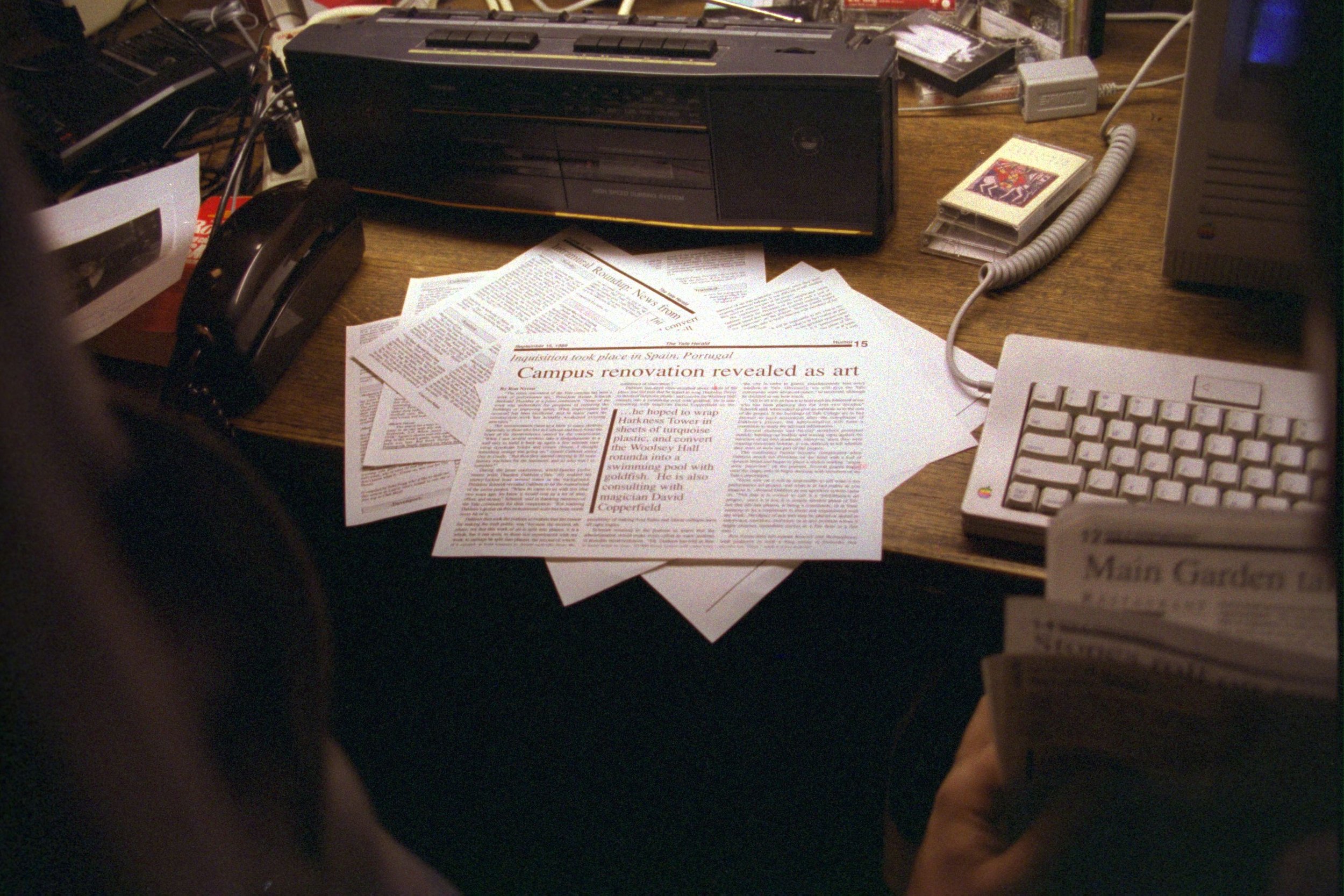
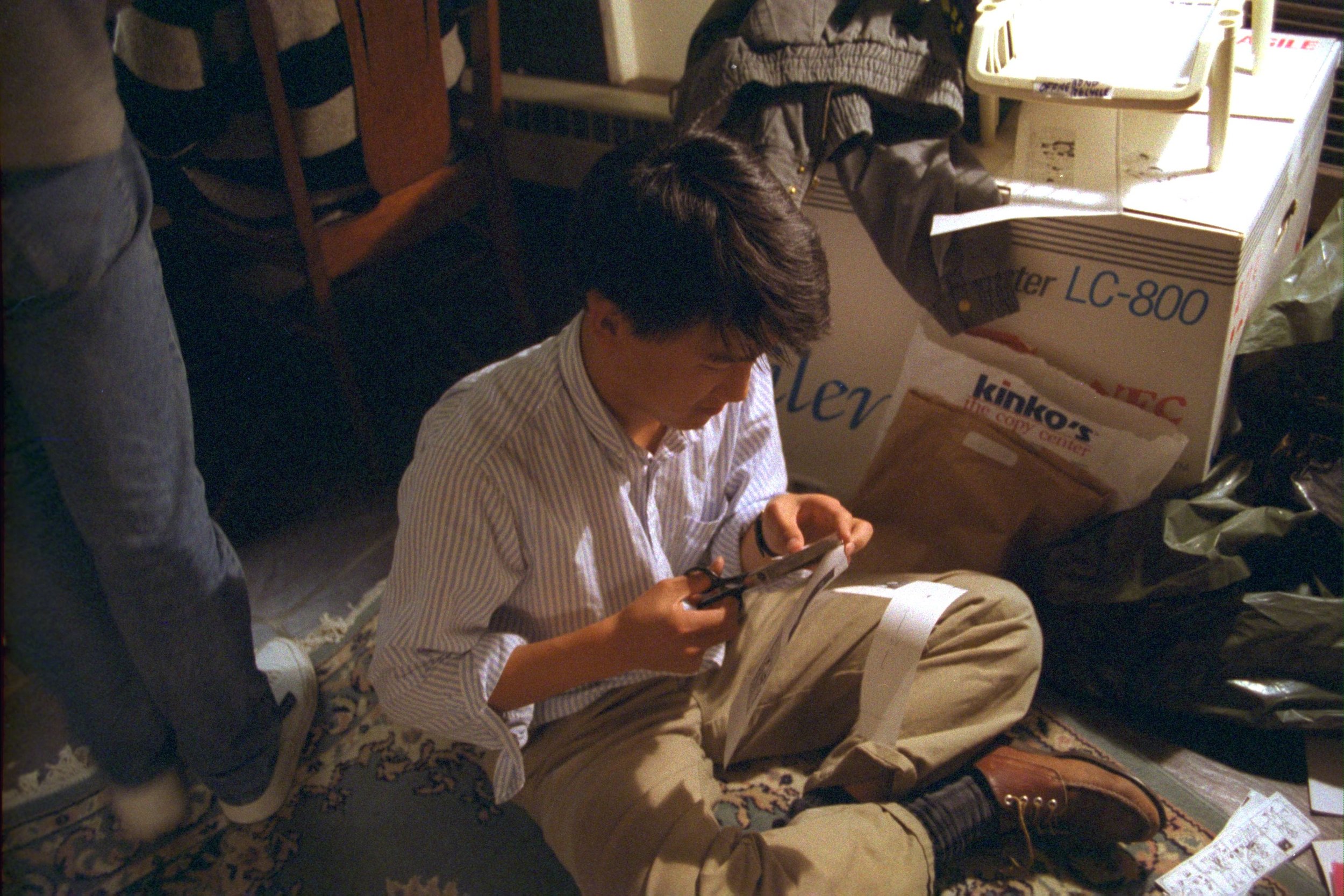
In my senior year, I got a job at the university's in-house printing service, designing and typesetting, and took a full-time job after graduation running the imaging center there. I installed System 7 and troubleshooted a million problems with getting output from QuarkXPress and PageMaker to a Linotype 300 imagesetter. I remember excitedly finding out that Apple had an FTP site (ftp.apple.com, probably) and slowly, slowly downloading the System 7 installation disk images over the very very slow Internet of 1991.
Because of that experience at Yale, I was offered a job in 1991 at the Kodak Center for Creative Imaging, which had 100 IIfx Macs, and which was a paean to everything creative in photography, illustration, and design one could do. Which meant, all Mac. A million great teachers and students passed through. Russell Brown. Jay Maisel. Matthew Carter. Paul Davis. John Sculley, who lived nearby, was there regularly. Many of my dearest oldest friends came from a short time there.
I left Maine in 1993, when Kodak’s commitment faltered (a long, long story) and moved to Seattle to take a job as managing editor at a book firm, which produced computer books about using PageMaker, Quark, and other products. Books about Macs and created on Macs.
While there, I started one of the first Web hosting companies (hosted on Suns, however) using Macs to design Web pages in 1994, with Peachpit Press as one of my first clients. I sold that firm to join Amazon briefly, but left and went into conference planning with my old book company boss, and then into full-time journalism.
While I had a varied career as a freelance journalist, sometimes with contract positions, from about 1996 to 2021, Apple and Macs remained the center of my work. Writing for TidBITS and Macworld, and penning titles for Take Control Books, including one of the first four we released simultaneously, has remained at the core of my work. Today, a big chunk remains Take Control and Six Colors, staffed by Jason Snell and Dan Moren.
Remembering Sue Barr
In writing this blog post, I found some old correspondence with Sue from 15 years after I graduated. Before she retired in 2001, former staffers of the paper across decades had created a special Sue edition that was created by the current staff and printed in secret. She said was waylaid by her newspaper and yearbook staff, and taken off to a picnic where Sue was revealed. I wrote to her:
I learned many things from you that I apply on a daily basis in my work as a journalist today. I never really thought I'd wind up in this field—I thought fine or performing arts would be my gig. But I turn out to use words well enough—and to be trainable at it!—that I've been able to turn this into a career.
She wrote, after seeing the issue:
It has been my wonderful students who have kept me going all these years, and, of course, there are those few who I will never forget.