Glog

Latest

Books

Book Him

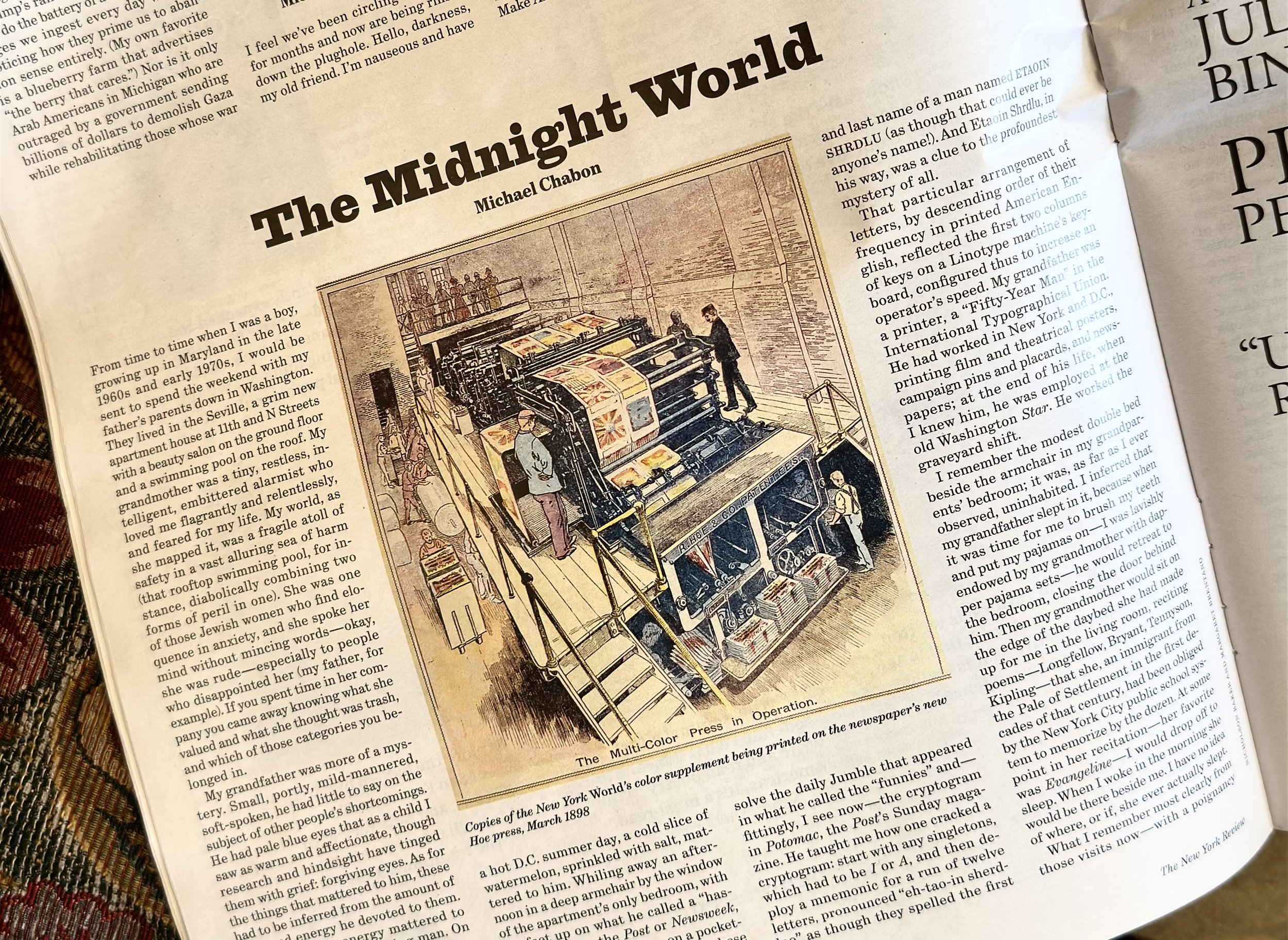
In the latest in what feels like a surreal sequence of events in my working life, my name appears prominently multiple times in an essay in the just-released issue of the New York Review of Books. The foreword that Michael Chabon wrote for How Comics Were Made was picked up by the NYRB as a standalone essay for its Holiday Issue, which is already online. (You can register at no cost to read a single article.)
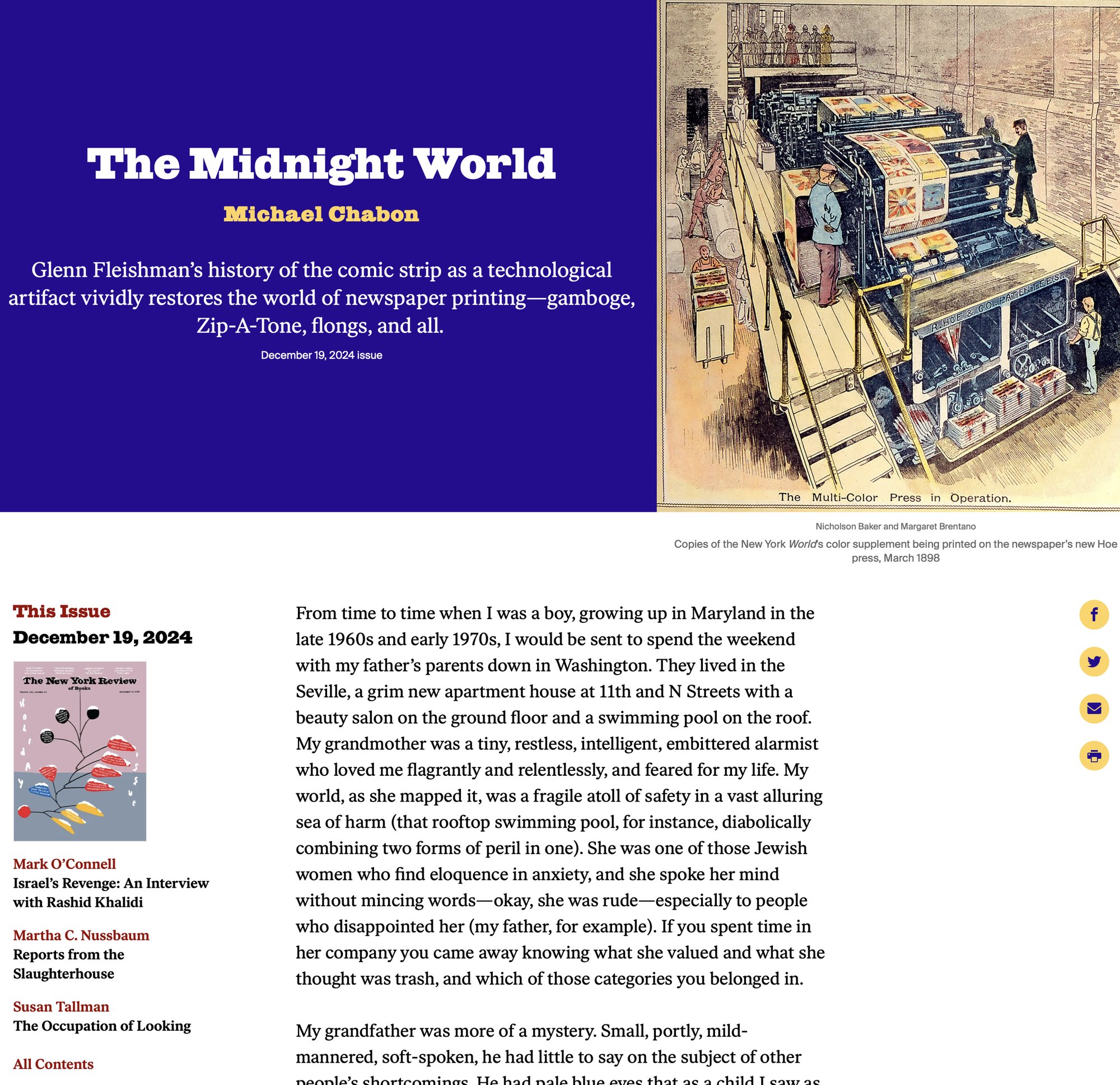
I thought the foreword might be rewritten a bit to detach the context from my book. However, the editors made the connection even stronger, with the book’s title appeaing repeatedly! I’m looking forward to snagging a couple of copies in print. The issue shipped to subscribers last week and should appear on newsstands sometime before its Dec. 19, 2024, cover date.
Bookselling

A Tense Change in My Book

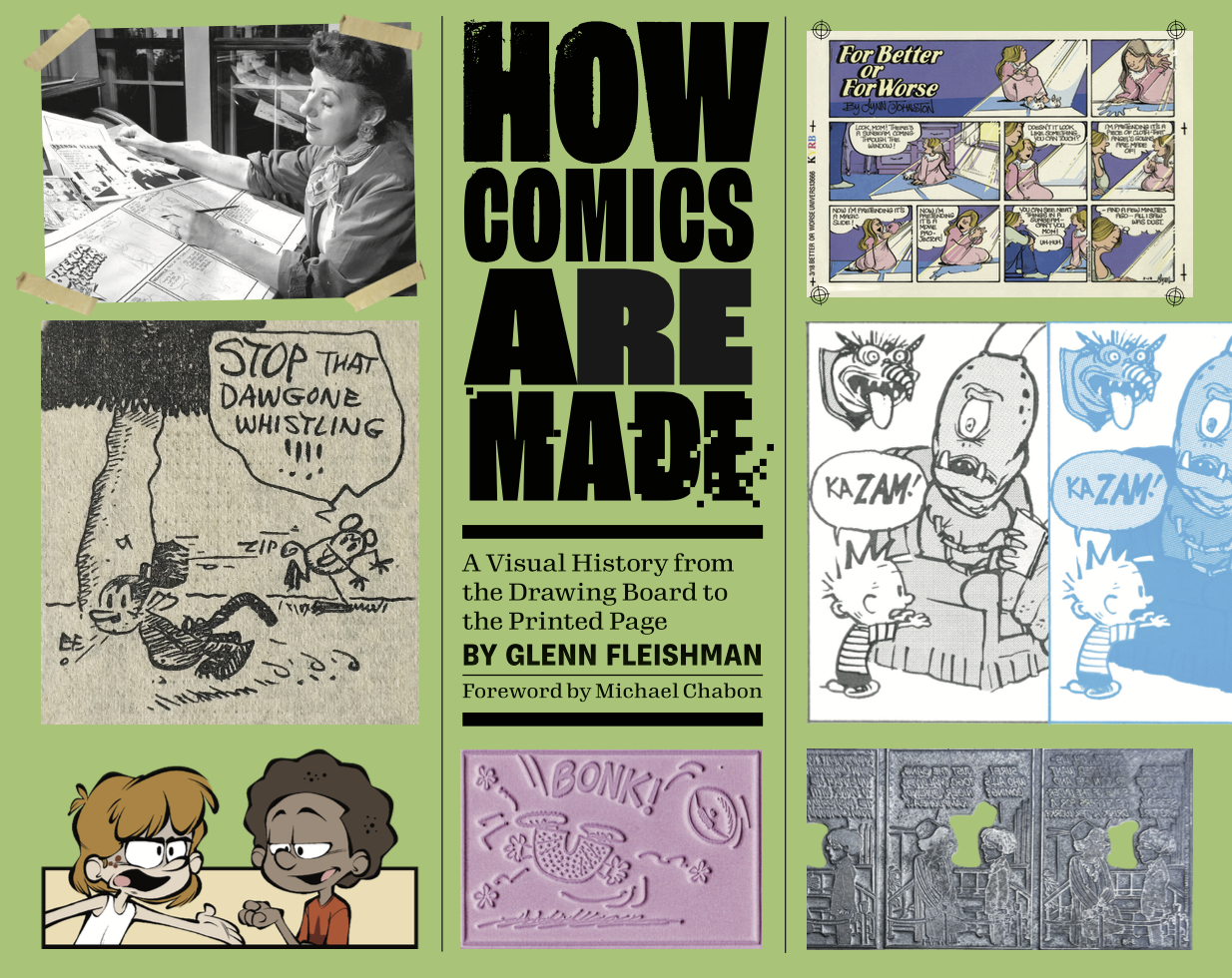
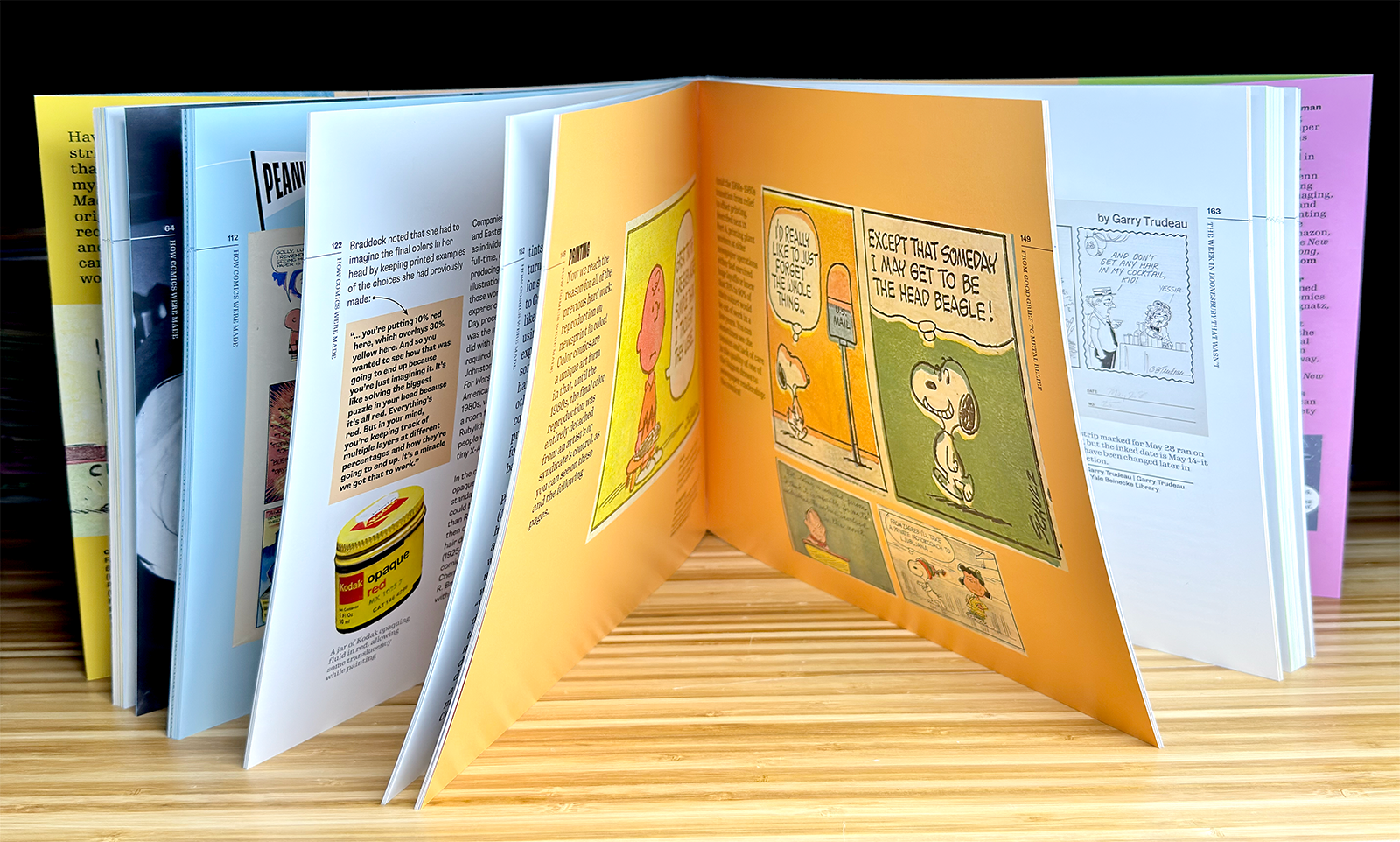
Wait, tense as in the time indicated by the verb—not as in the action! My book How Comics Were Made has been acquired by Andrews McMeel Publishing and will be issued in a second printing, shipping in June 2025. My Kickstarter edition—which remains for sale while copies last—is a laminated softcover with French flaps. The Andrews McMeel retail version will be a hardcover with a dust jacket—a nice contrast. It will also be sold under the name How Comics Are Made with a refreshed cover to which I updated design elements.

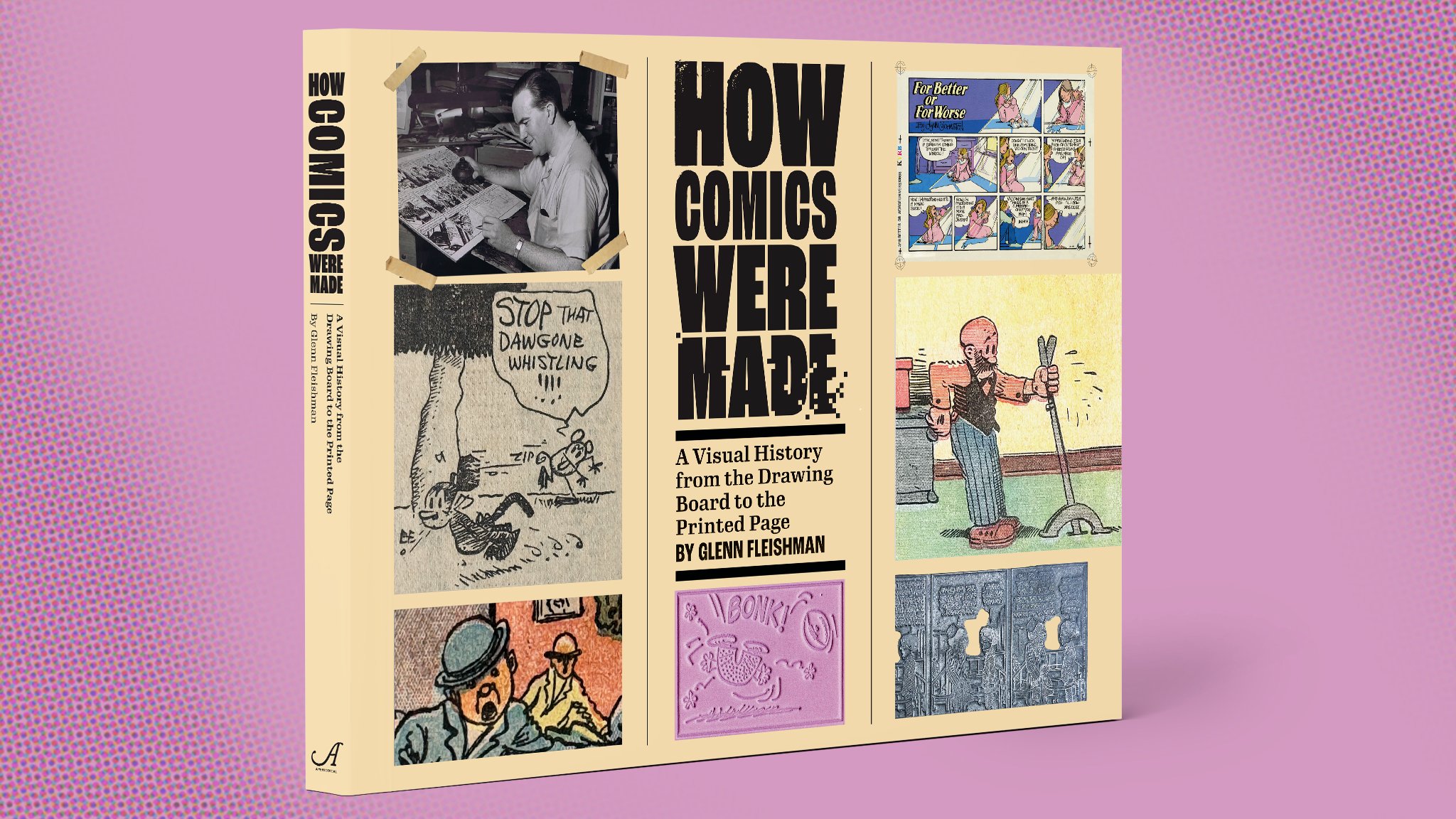
 The new cover of the “trade” edition, available in bookstores in June 2025
The new cover of the “trade” edition, available in bookstores in June 2025

The new printing will have almost exactly the same content but reach a far broader audience. Among other things, Andrews McMeel has international distribution directly and through partnerships, so if you live outside of North America, you’ll be able to get
Books

A Post of Gratitude

When I started working on How Comics Were Made in 2023, I realized quickly that there were a lot of people I would want to thank later. I started taking notes. Those notes eventually led to nearly two full pages in the completed book in the smallest legible type I could manage. So many people offered their time, artwork, insights, and moral support. Many artists and photographers licensed their work for use without fees; others set very modest rates due to the historical nature of the work and how it celebrates the industry.

To thank all these people again, I’m reproducing the text of those acknowledgements here.

Backer Thanks

This book would not have been possible without the support and encouragement of literally thousands of people who participated in the crowdfunding campaign or later pre-ordered the book. Thank you for your trust in believing that this very out-there idea

Cartooning

Bonus: How Comic Books Were Made

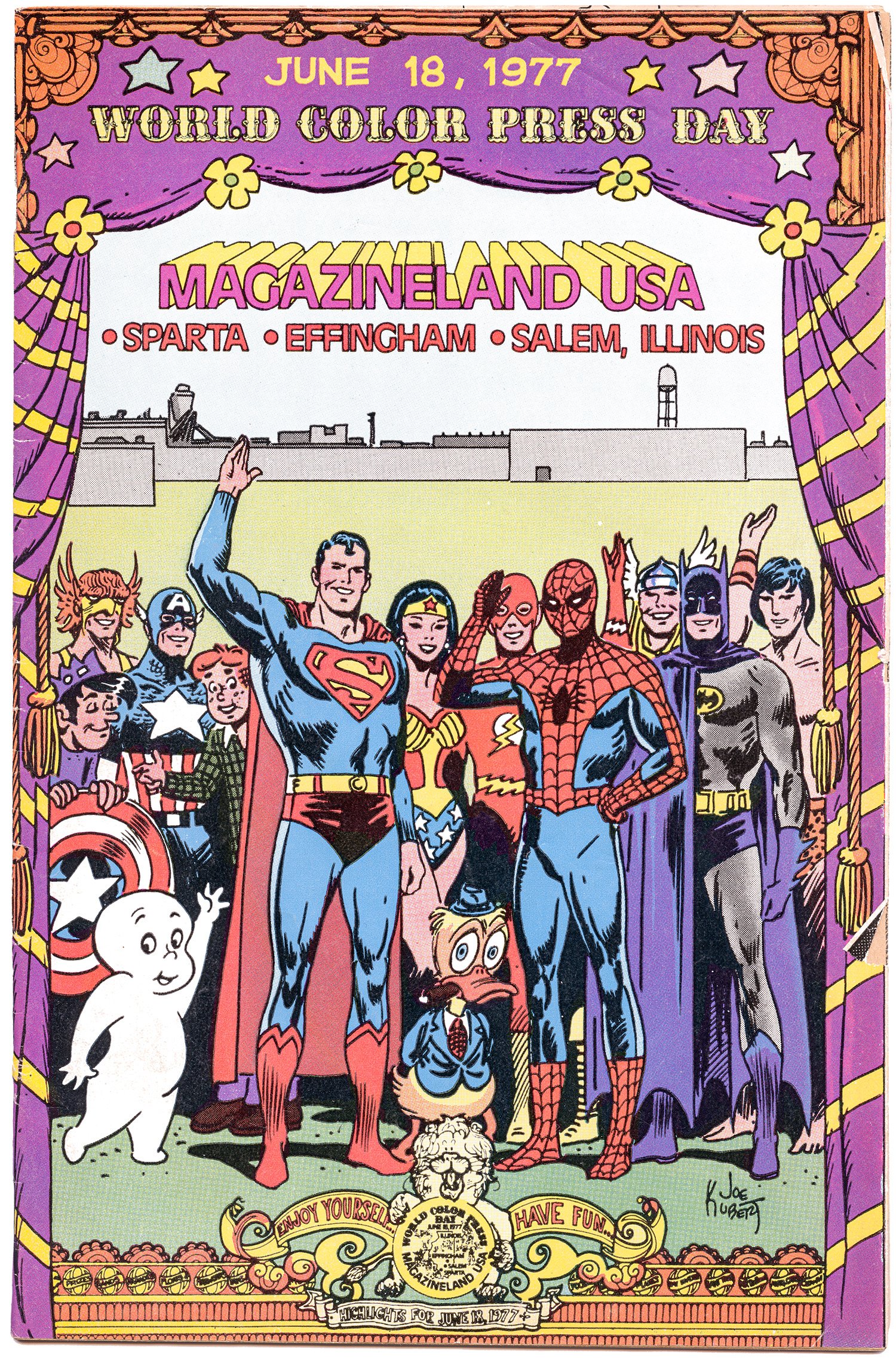
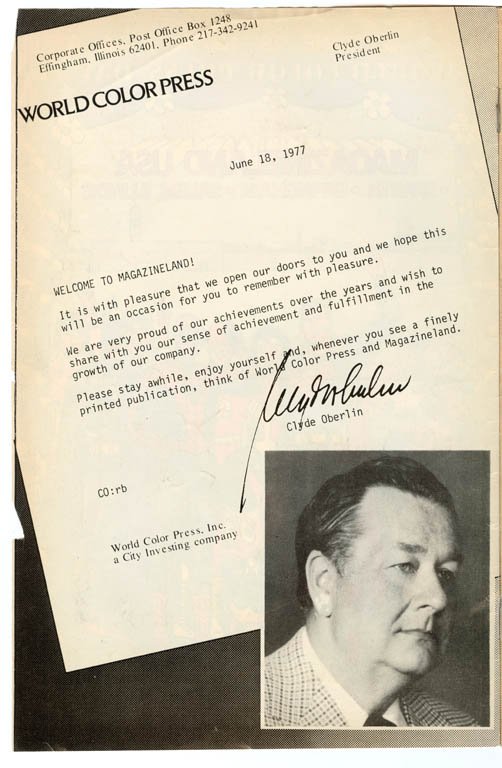
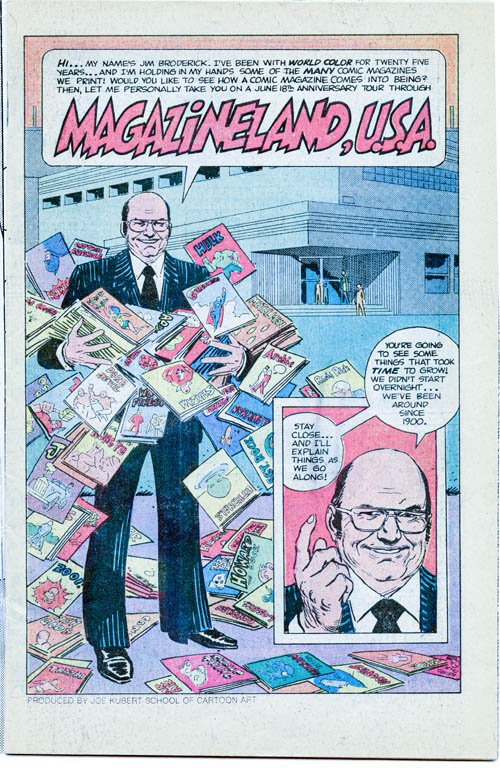
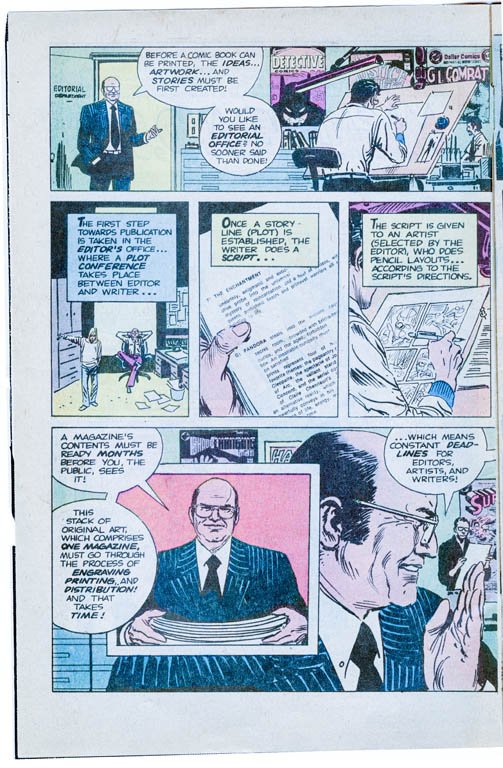
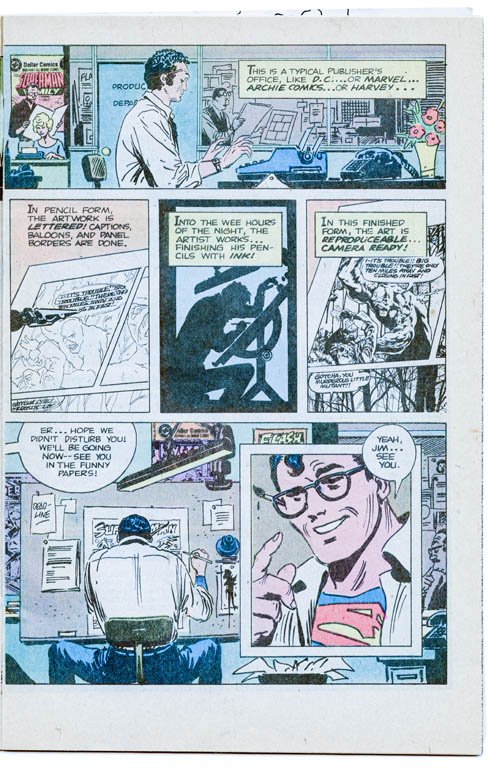
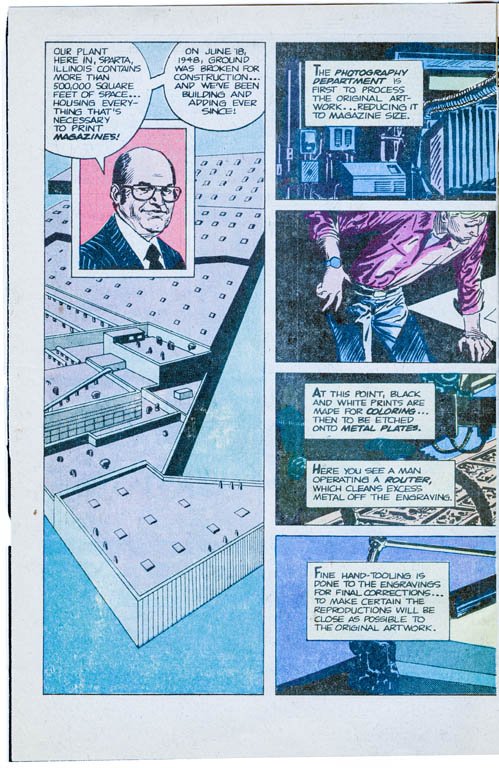
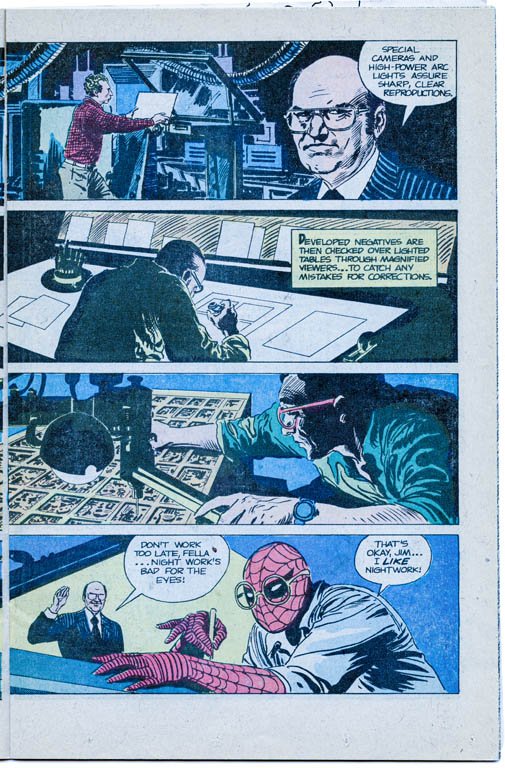
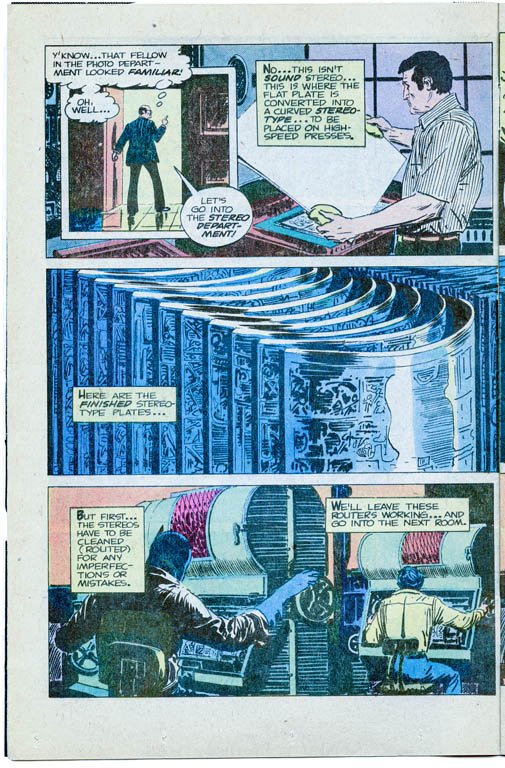
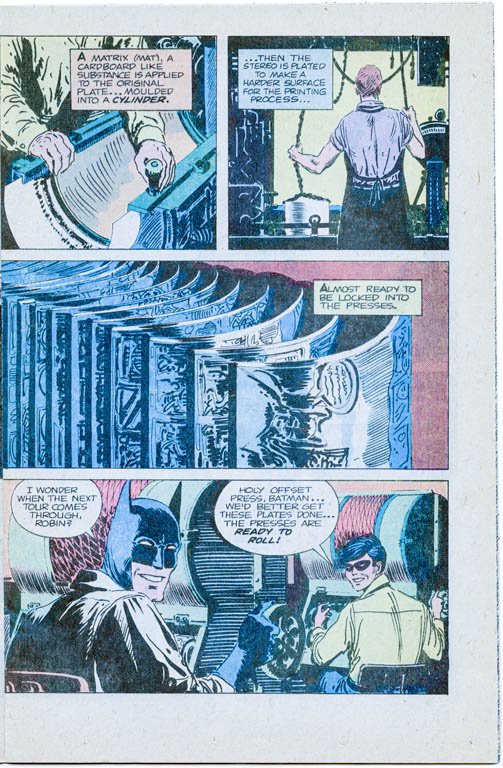
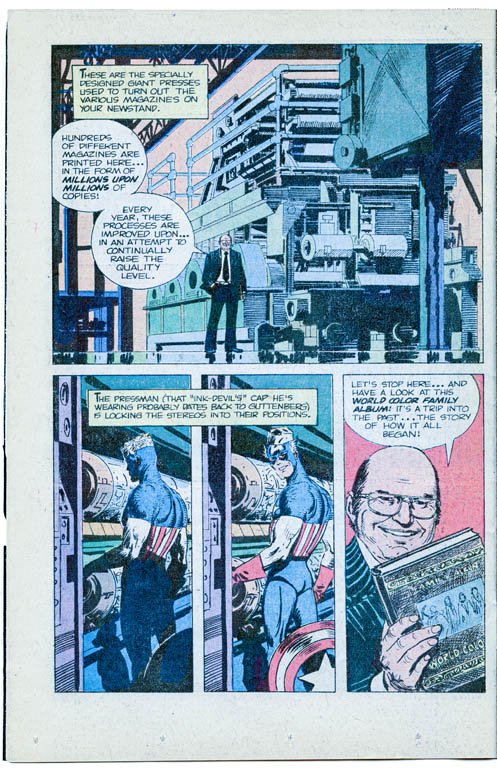
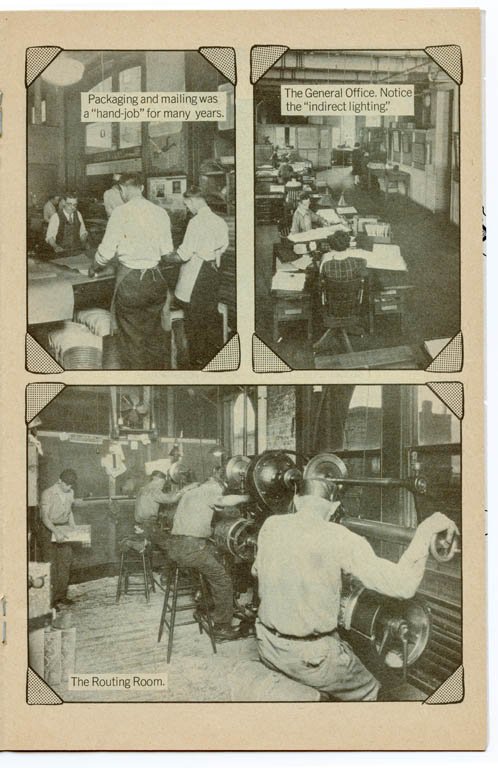
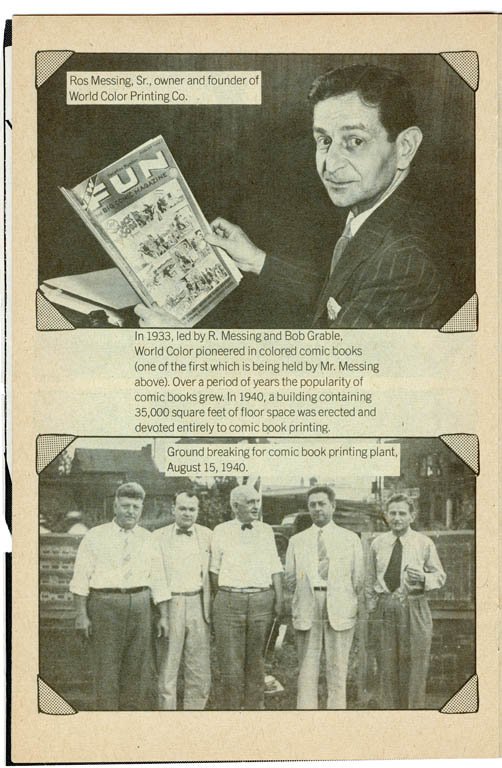
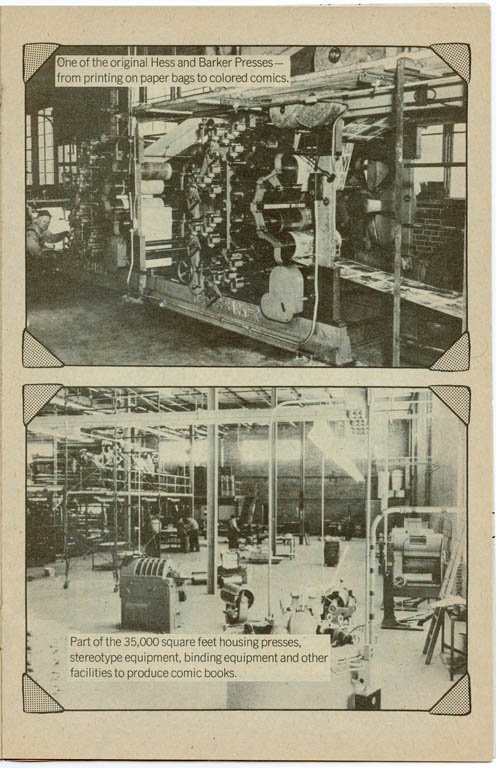
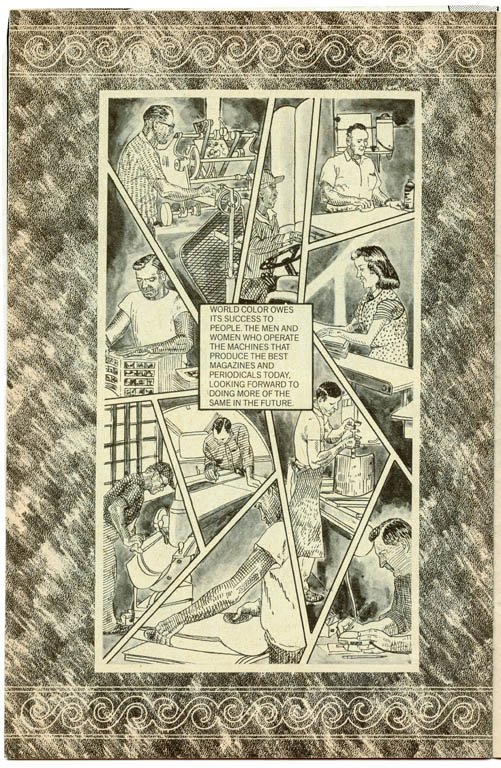
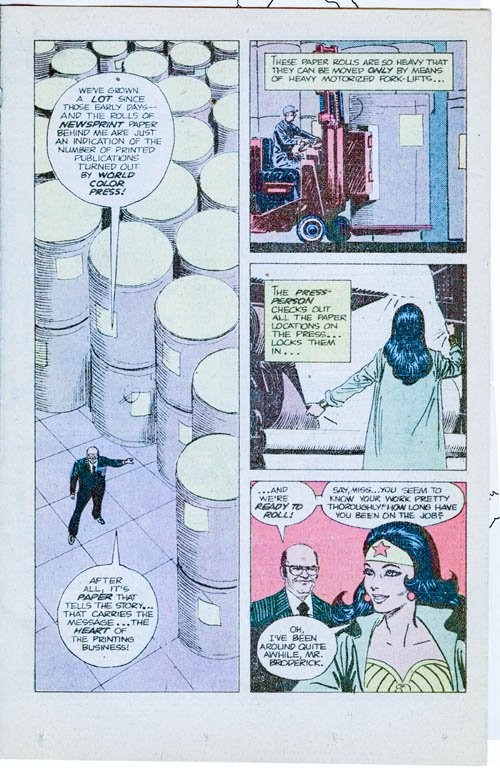
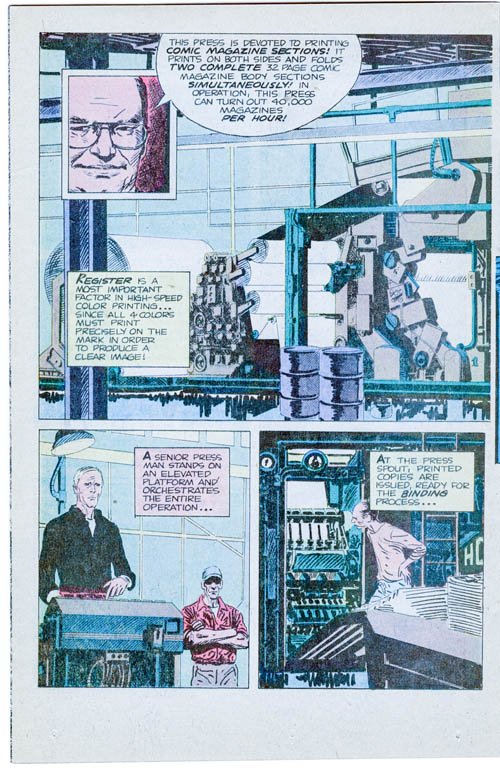
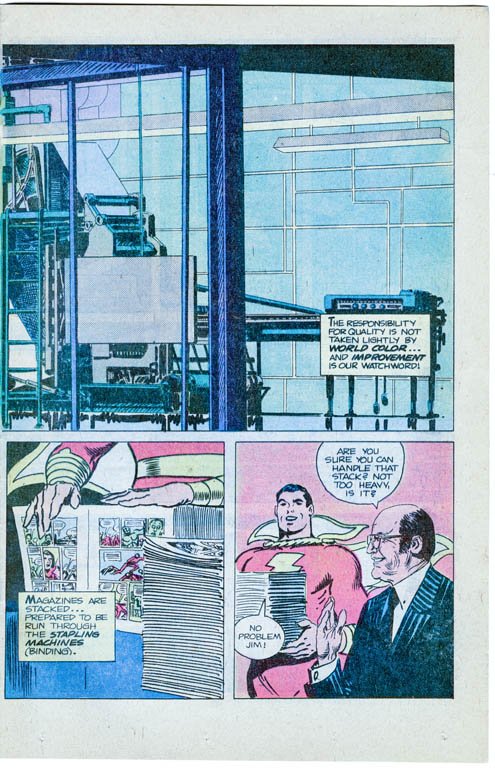
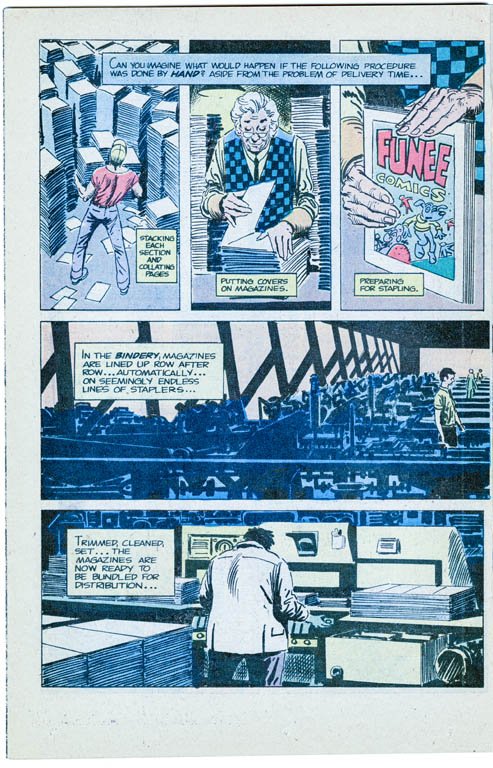
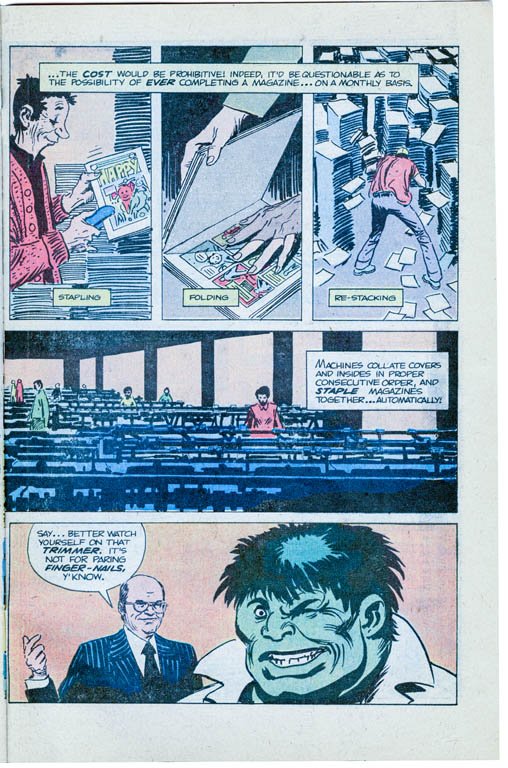
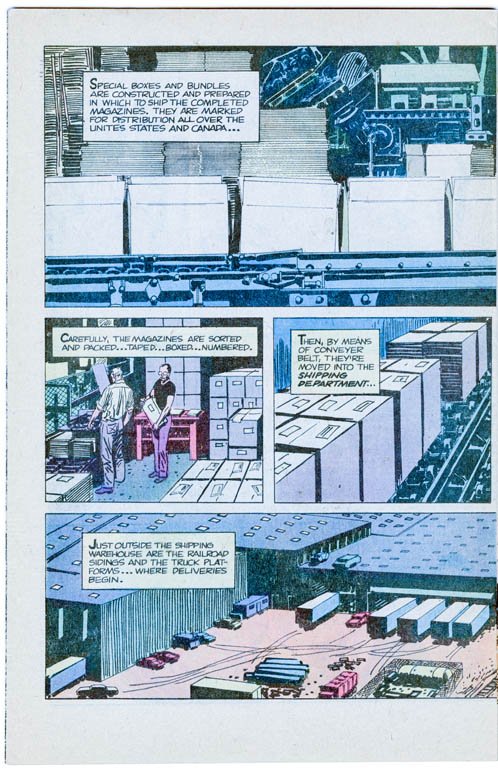
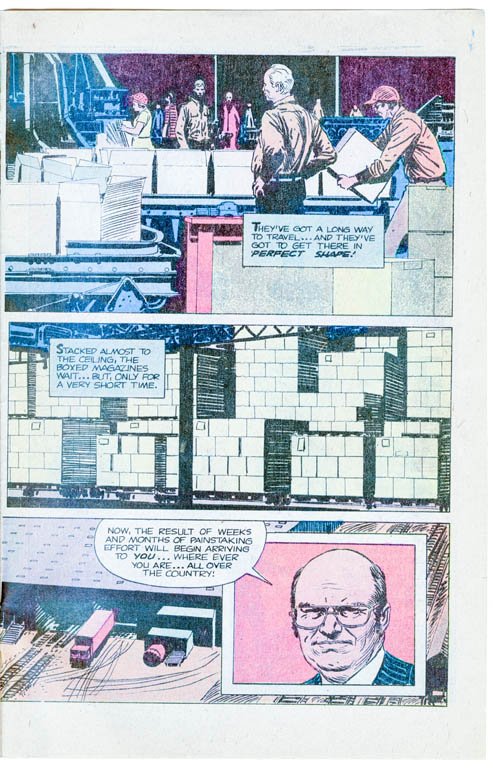
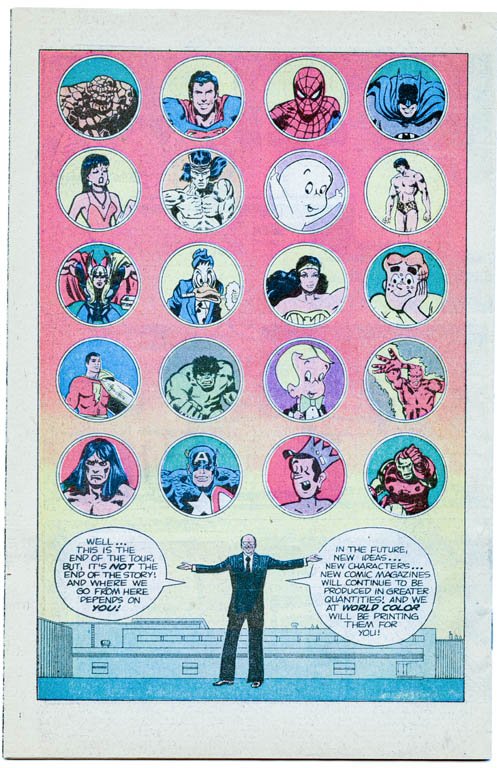
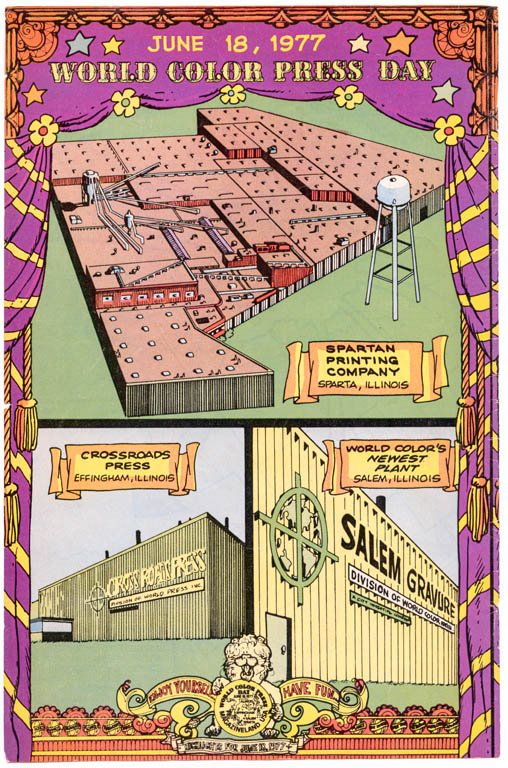
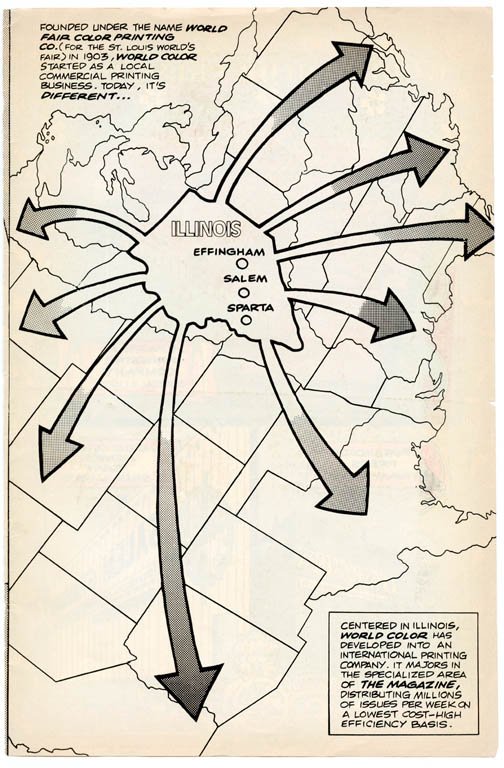
During a conversation recently with former DC Comics president Paul Levitz, he mentioned something I’d never heard of: the World Color Press Day comic book from 1977, published by World Color Press, the biggest comic-book printing firm in the country. The company got permission from the major publishers to include versions of Superman, Archie, Spider-Man, and many others—unheard of!

After finding a low-res incomplete scan online, I purchased an affordable copy off eBay, which I scanned and turned into a PDF you can download here.

The comic shows many aspects of comic-book printing, most of which are identical to comic strips, but with certain optimizations or standards used for the “floppy” comic-book format. As the booklet was distributed to the public in 1977 without the copyright notice required at the time, it is in the public domain.

Books

How Comics Were Made Ships!

It seems like I only started talking about How Comics Were Made a few months ago, but I’ve been thinking about it for years. It coalesced in 2023. I almost leaped into the project then, but was committed to a client’s massive effort, Shift Happens, which needed full attention for months. Crowdfunded in March 2024, How Comics Were Made started shipping today! The huge batch of Kickstarter pledges and pre-orders since then will head out in the world over the next week. You can order a copy right now while they last!

Copies ordered starting today will ship in about a week, and after that will ship within a day or so of order.

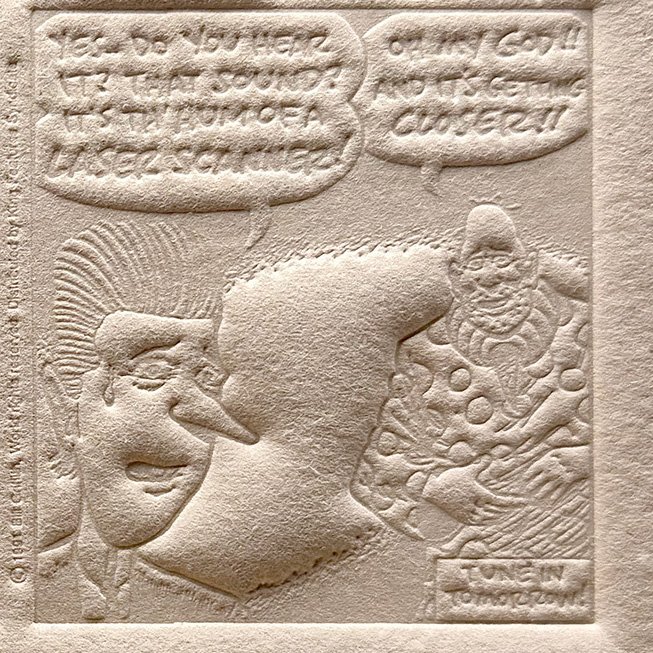
I’ve also made available for purchase a special letterpress print that incorporates a Zippy the Pinhead comic in re-created mold (mat or flong) format. This limited-edition item, printed in a quantity of no

Books

How Comics Were Made: Foreword and Forward!

My book How Comics Were Made is off to the printers! I uploaded about five gigabytes of files today and should have proofs shortly. Then it’s off to the races—the press! I chose a nearby printer so that I could go “on press”: being at the printing plant while the book is underway, viewing pages as they come off the press, and approving them when they’re tweaked to perfection. Update, Sept. 22: It goes on press on Sept. 26! Nearly done!

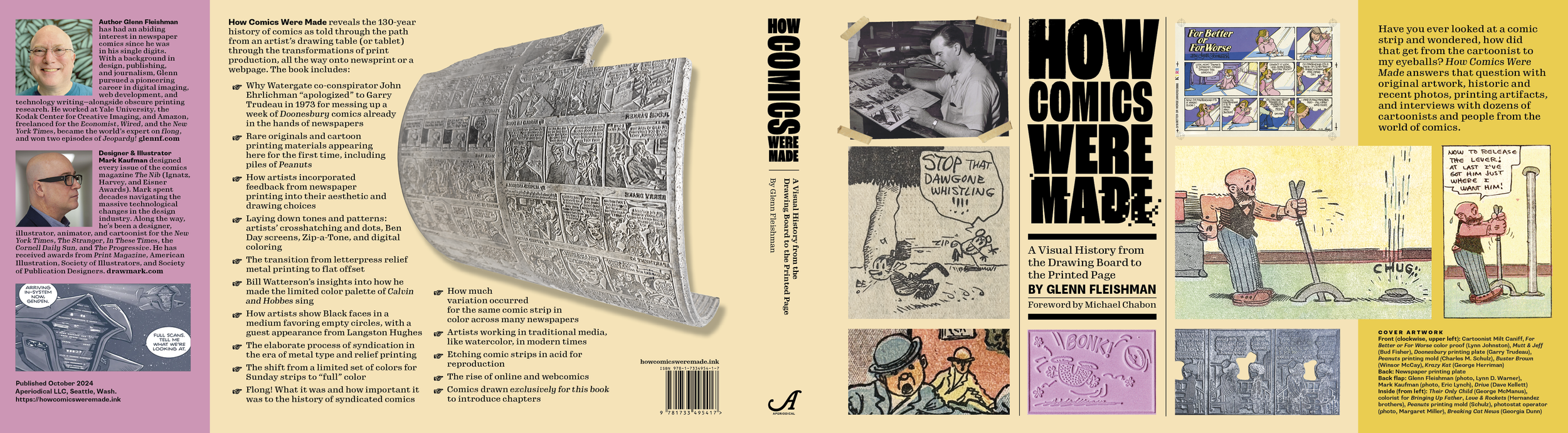
 The full cover: french flaps (left and right), back cover (left of center), spine, front cover (right of center)
The full cover: french flaps (left and right), back cover (left of center), spine, front cover (right of center)

I’m also happy to share that Michael Chabon wrote the foreword to my book! He is lifelong lover of comics and comic books, his grandfather was a typesetter, and he enjoys design, typography, and industrial history. A perfect choice! His book The Amazing Adventures of Kavalier

Books

Last Copies of Six Centuries of Type & Printing

I’m down to the last 50 24 copies (as of September 2024) of my book Six Centuries of Type & Printing. If you were interested in a copy, now is the time! The price includes the letterpress edition, an expanded book edition (which features a full bibliography), and U.S. shipping.

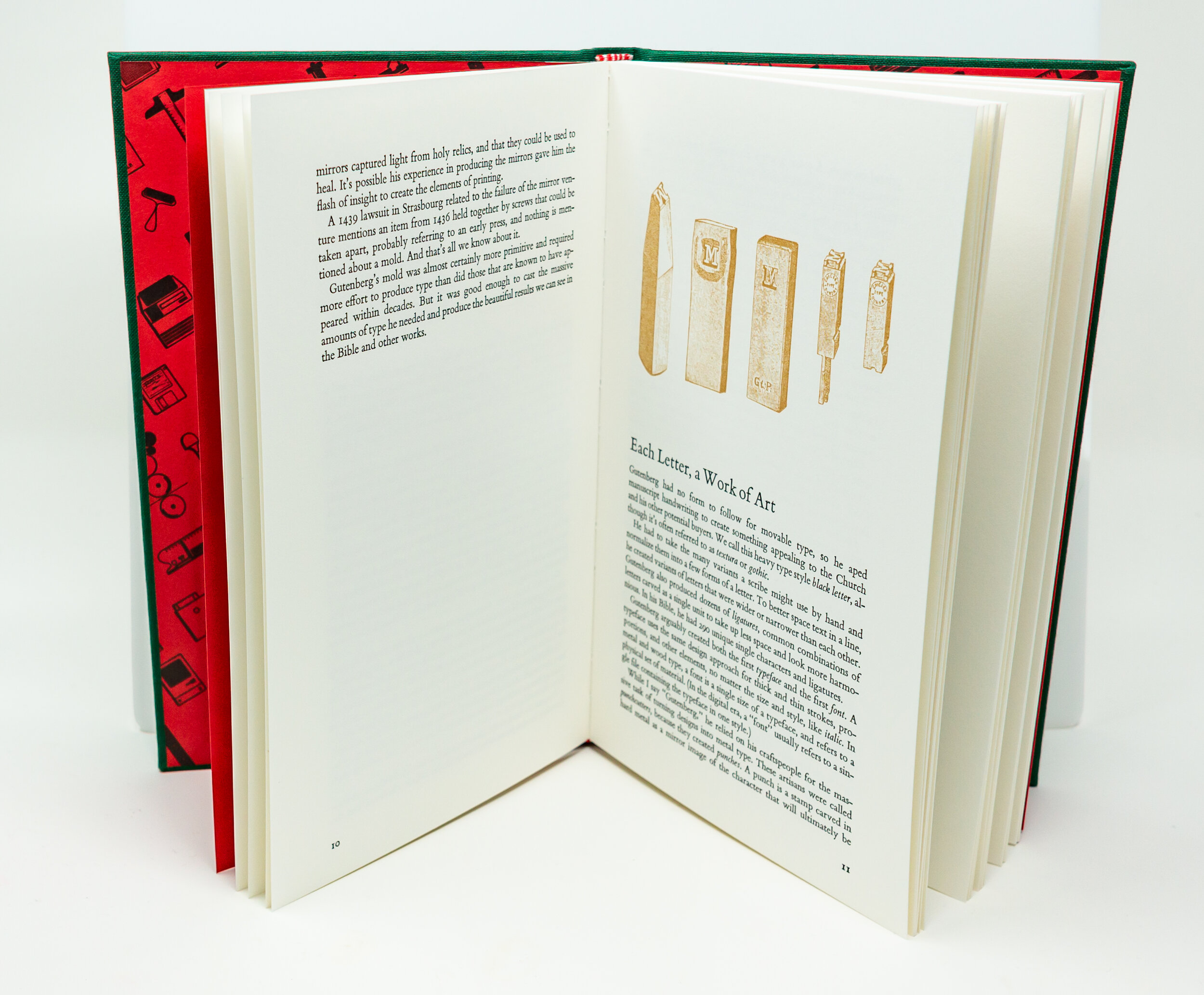
 Interior spread of  Six Centuries of Type & Printing
Interior spread of Six Centuries of Type & Printing

Back in 2019, when I launched the Tiny Type Museum & Time Capsule project, I envisioned a short edition of a book to include with the museum. The museum would have artifacts, uniquely created items, and a “curator’s manual” specific to what was included, the book would have a broader scope. As always, I was probably too ambitious to build out the museum and book at the same time—even with project partner Anna Peterson née Robinson, the fine woodworker who built the gorgeous cases. But when the pandemic

Bookselling

Pre-Order How Comics Were Made

The Kickstarter campaign for How Comics Were Made ended yesterday, and it was a rousing success, raising nearly $170,000—over 110% of the goal I’d set to make the book financially feasible due to the overhead involved. This puts it in the top 150 publishing projects at Kickstarter of all time (out of nearly 70,000). Thank you if you backed the campaign, provided moral support, or are just reading this post!

Even though the crowdfunding stage is over, I’ll be selling the book as a pre-order until it’s printed later this year and offering limited-edition/quantity high-tier rewards while they last. You can go to the pre-order store for more information! I don’t have to give the printer a final number for how many books I want printed until this summer, giving me time to expand based on demand.

Live Cartoonists’ Interviews Now…Live!

Live Cartoonists’ Interviews Now…Live!

As part of the work to promote my Kickstarter campaign for How Comics Were Made: A Visual History from the Drawing Board to the Printed Page, I scheduled four interviews with cartoonists and a curator to talk about newspaper comics through the lens of their work. I had the fourth session this morning, and you can watch (and comment and ask questions) all of them now on YouTube. You can use this playlist to find them all, or use the following videos to play in your browser or click through to YouTube. You can also watch this freshly produced video, “The Week in Doonesbury That Wasn’t” that connects “Doonesbury,” Garry Trudeau, John Ehrlichman, and newspaper comics reproduction.

The campaign has another 8 days to go—would love your support!

Bookselling

How Comics Were Made Reaches ITS Goal!

Updated 26 March: I have passed the 100% goal with a couple days left! The campaign rewards remain available for pledging through 28 March at 9 am PDT!

Original post:

A short update on the crowdfunding campaign for my book How Comics Were Made: A Visual History from the Drawing Board to the Printed Page: we just hit 50% today, an exciting milestone. Based on Kickstarter data, about 80% of campaigns that fund halfway reach their goal by the end! So while there’s plenty of room to go, 50% in 10 days with 20 days left feels achievable.

If you’re interested in comics history, printing history, or the way in which stories are told through technological transformation in both analog and digital dimensions, I think you’ll love this book.

Are We Having Flong Yet?

Cartooning

Are We Having Flong Yet?

I vaguely remember when I first encountered the “Zippy the Pinhead” comic strip. I am sure I was in my teens, when I was reading some underground stuff, though my interest was largely mainstream. Zippy was in the middle: started by Bill Griffith as a character and then a heavy focus of his underground/alternative work, the strip was picked up by his local San Francisco paper and then, not long after, put into syndication by King Features nearly 40 years ago. It blew my mind: something this surreal and not-at-all-square (except the panels) in regular newspapers?! Zippy scratched an itch in my head similar to when I discovered Dada and surrealist art when I was a little older. I became a lifelong fan.

In preparing to launch How Comics Were Made: A Visual History from the Drawing Board to the Printed Page, I knew that Bill would be a