Glog

phototype

Briar Levit, a Historian of Forgotten Figures of Design Past
podcast

Briar Levit, a Historian of Forgotten Figures of Design Past

 Briar Levit
Briar Levit

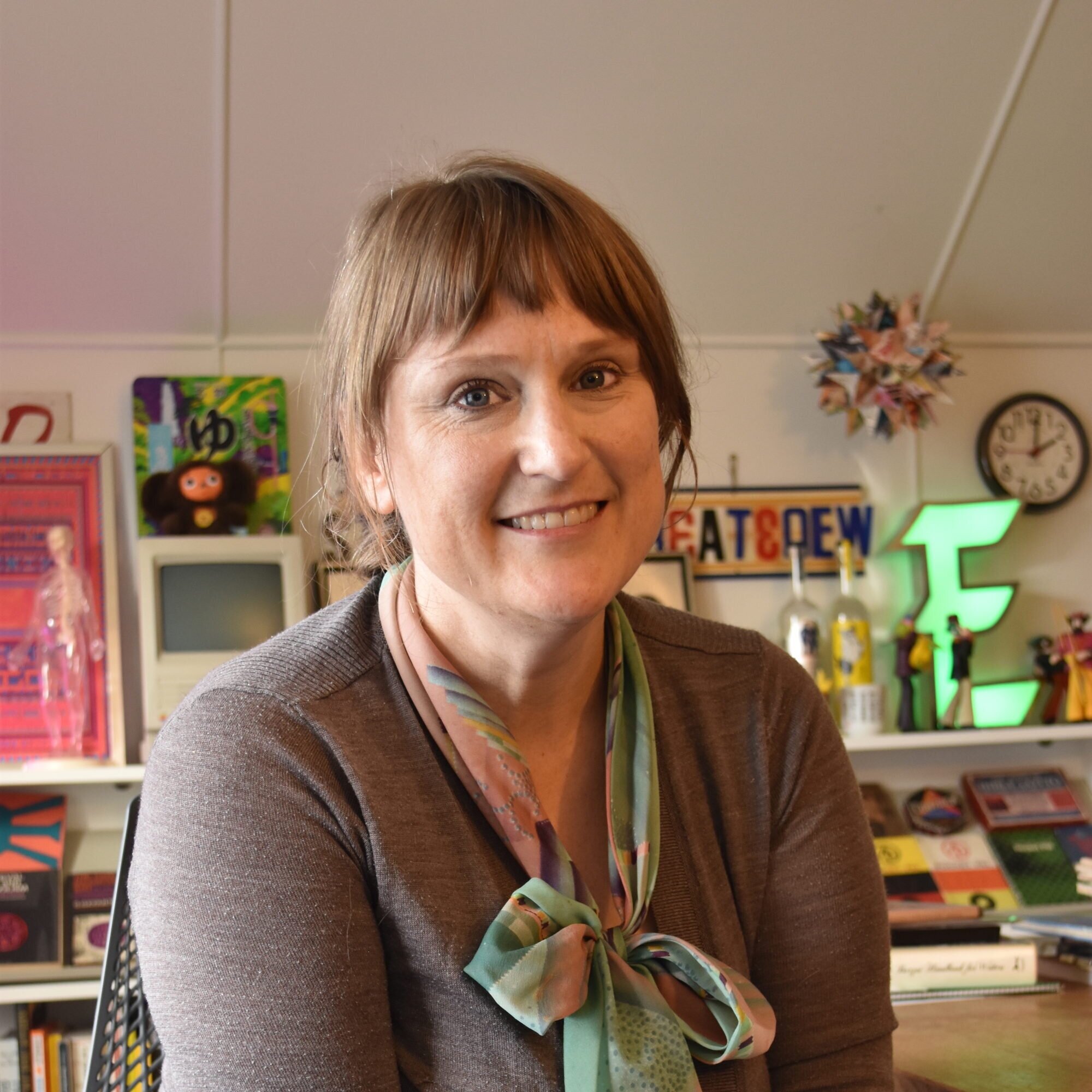
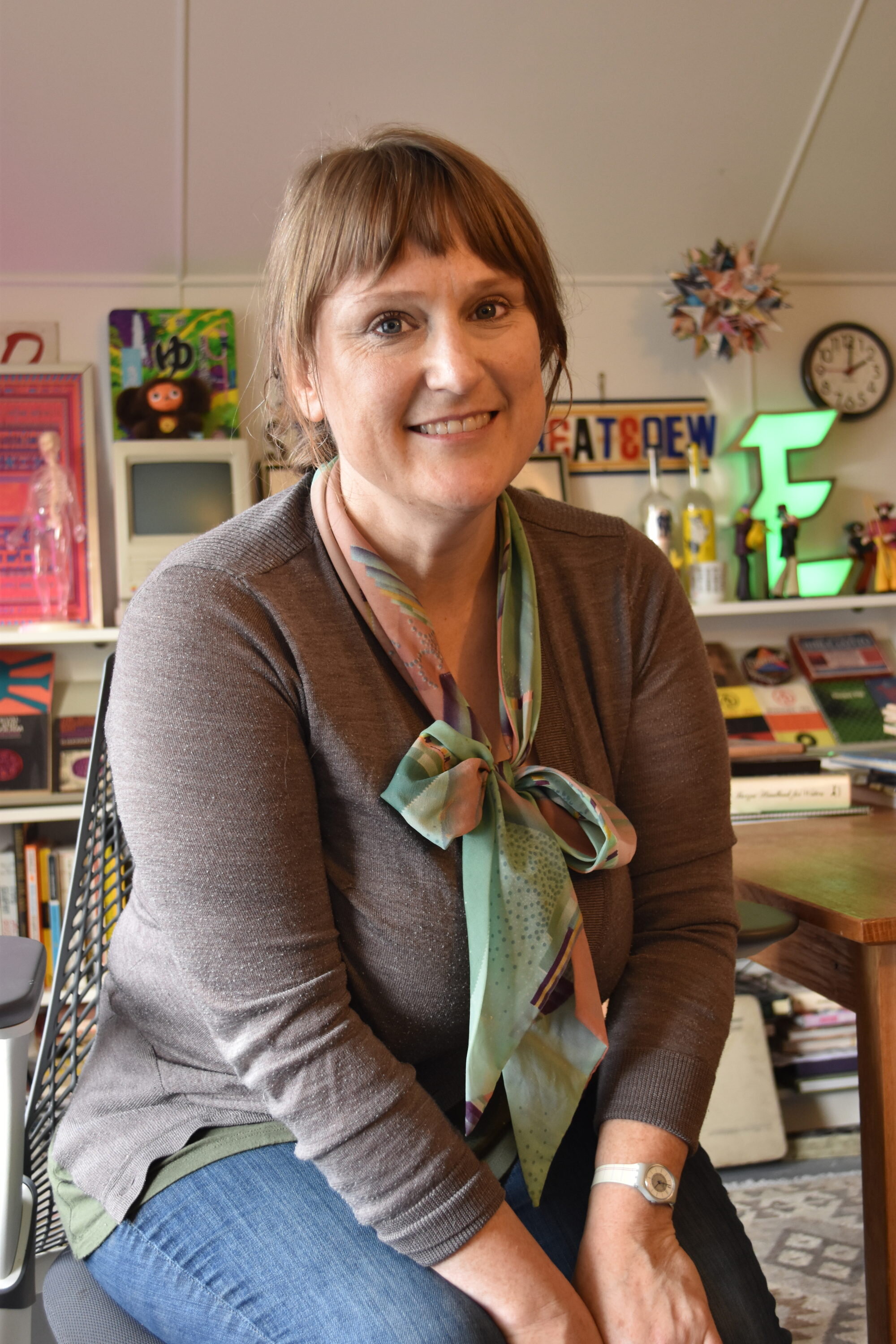
Briar Levit is a book designer, filmmaker, and former art director of Bitch magazine. She has taught graphic design for years, and is an associate professor of graphic design at Portland State University in Portland, Oregon. She directed the film Graphic Means about the phototype and paste-up period that acted as a transition between metal and digital production processes. That movie also delved into the way in which printing shops acted as gatekeepers to communication, and how women were severely underpaid during this period as they entered a previously nearly all-male industry.

With founder Louise Sandhaus, she and Brockett Horne are collaborating on fostering an amazing online gathering place, The People's Graphic Design Archive. And she's at work on Baseline Shift: Untold Stories of Women in Graphic Design History, a collection of essays due out later this year (not yet available for pre-order). We talk about all that

accessions

A Host of New Accessions, a Trip, and More

Since the last update a few weeks ago, material has been arriving in abundance for the Tiny Type Museum & Time Capsule. I expect by the end of the project to have collected around 5,000 individual items, which will then be mostly distributed into up to 100 museums. In some cases, I’ll wind up with a lot of material left over because of how it has to be purchased, and that may lead to future sets of different kinds.

(An update on orders: 70 tiny museums have now been pledged on Kickstarter or pre-ordered since. Only 30 remain available, as I plan the edition to be no more than 100 museums.)

San Francisco Type & Archives

Early in the month, I took a trip to San Francisco, to visit the Grabhorn Institute (home of M&H Type and the Arion Press) for an upcoming article for a

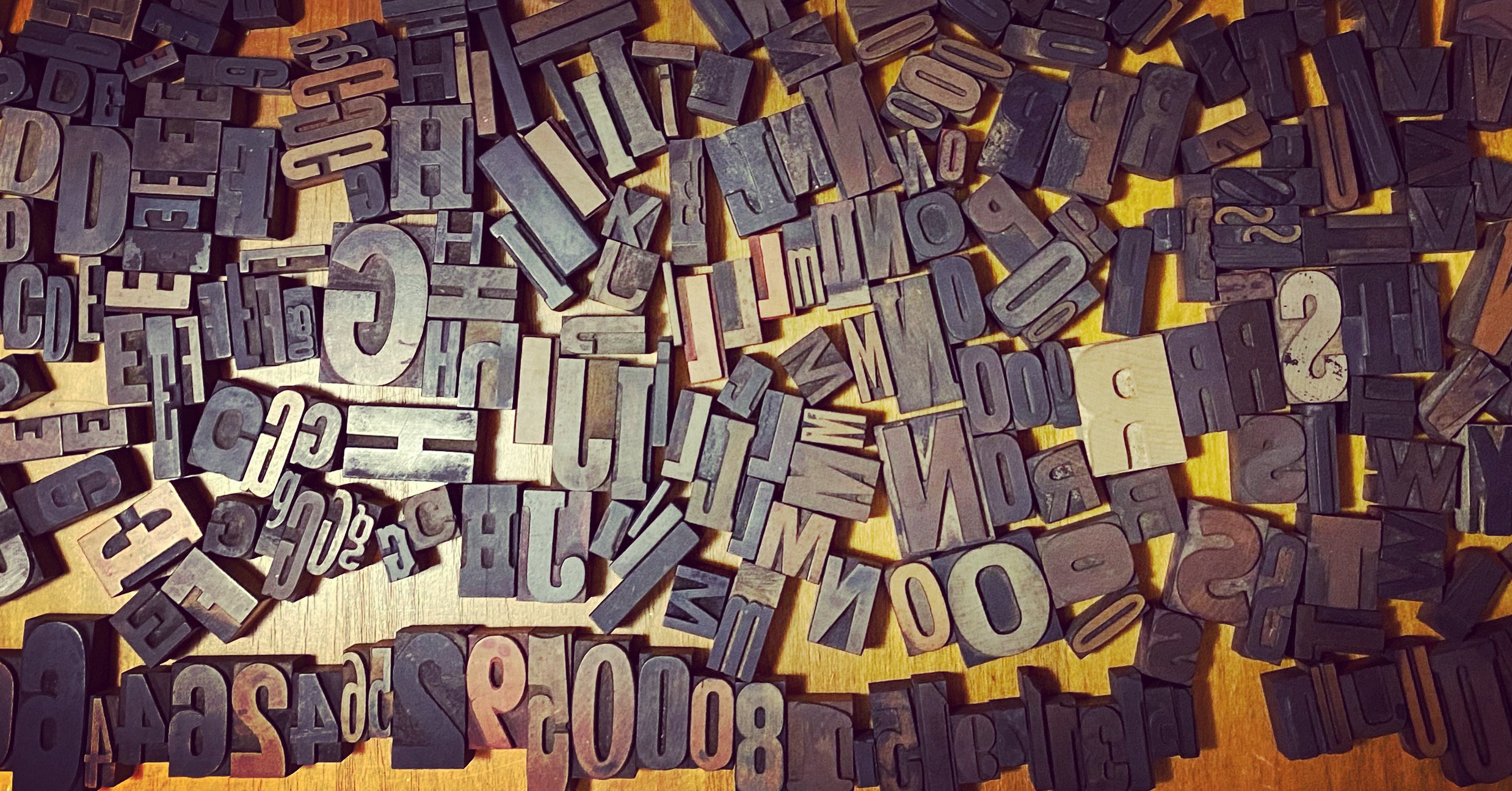
Quoins, Wood Type, and Phototype

printing history

Quoins, Wood Type, and Phototype

The latest accessions to the Tiny Type Museum & Time Capsule have arrived!

Quoins and Quoin Keys

From the earliest days of printing, certainly in Gutenberg’s studio, type had to be locked up. You first composed it into lines, columns, and pages, and spaced it just right. But then you had to ensure that it stayed solid and level as it was moved from a composing stone—a level surface that assisted in planing type and other material—to the bed of a press. (For newspaper, it would be into a matrix-making machine en route to stereotyping.)

As you may know generally or from previous posts, a page or pages of type are collected into a forme and  locked into a chase. The locking requires furniture or various sized rectangular pieces of metal and wood to fill on empty areas, and then wedges to lock them into place. A