Glog

typesetting

Dennis Duncan and Paula Clarke Bain on Indexing
printing history

Dennis Duncan and Paula Clarke Bain on Indexing

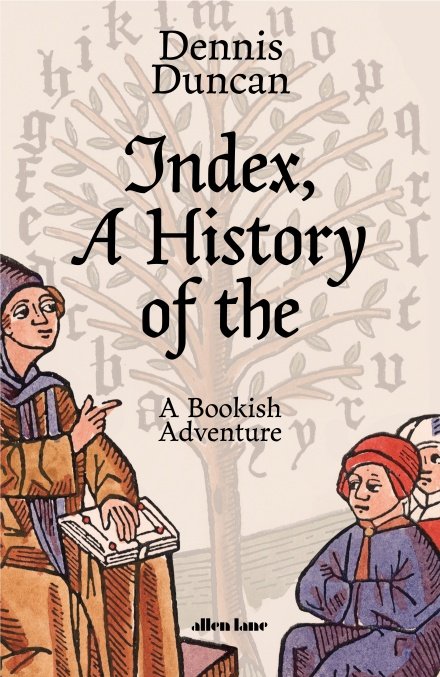
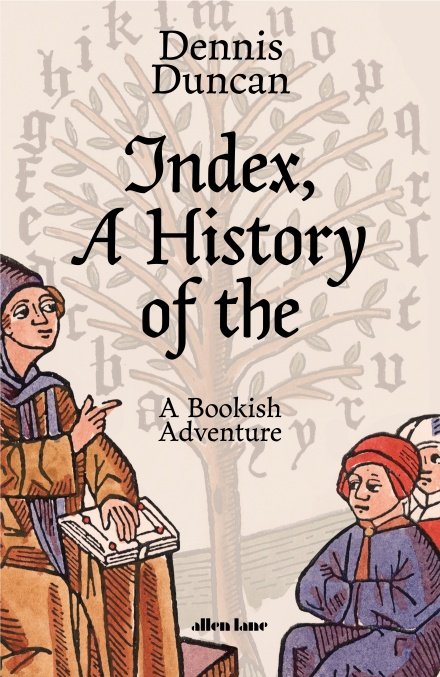
On this episode of the Tiny Typecast, we talk about indexes with the author of the book Index, a History of the, Dennis Duncan, and its indexer, Paula Clarke Bain. Modern indexes date back eight centuries, and Dennis’s book takes us from the beginning to the present. Paula has worked for over 15 years as a professional indexer and produced nearly 900 indexes. She explains her working methods and the value of an index to the reader—and as an element of a book’s appeal.

This episode is sponsored by my book Six Centuries of Type & Printing. Find out more about the book and read an excerpt.

Subscribe to the podcast feed directly via this link, via iTunes, or any podcasting app.

 Dennis Duncan
Dennis Duncan

Dennis is a writer, translator, and lecturer in English at University College London, and the author also of Book Parts. He has appeared
typography

3D Metal Filament Printing

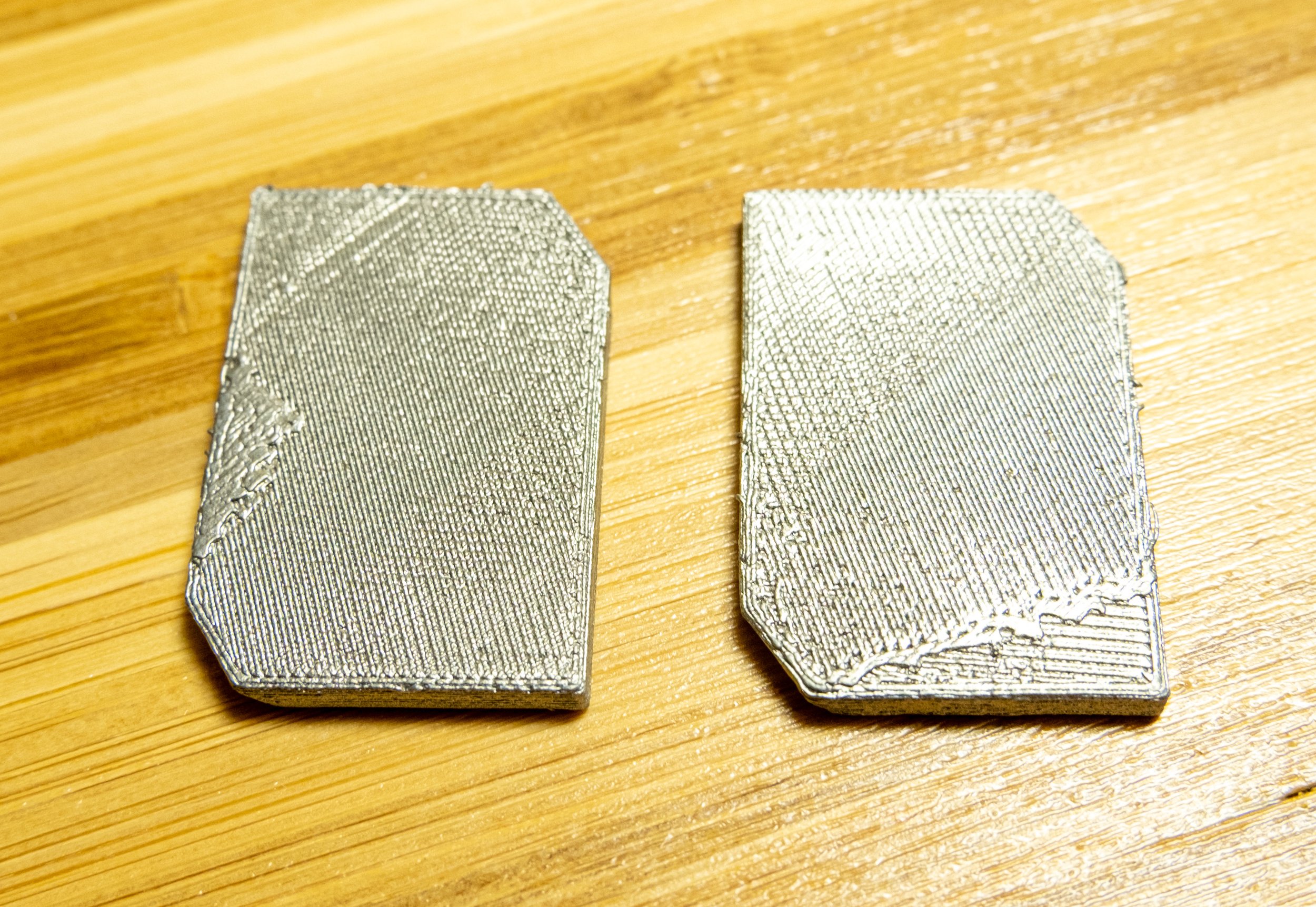
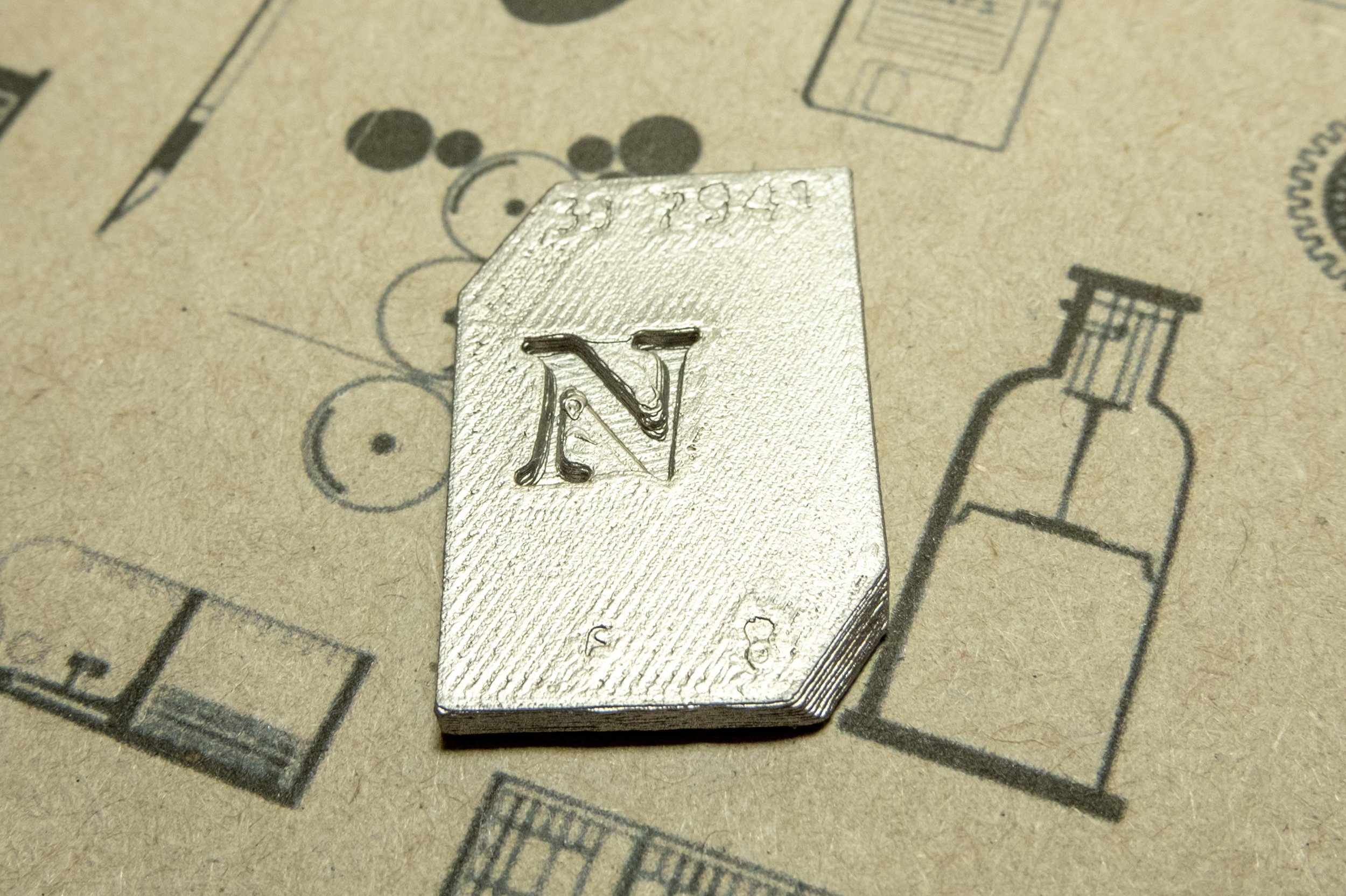
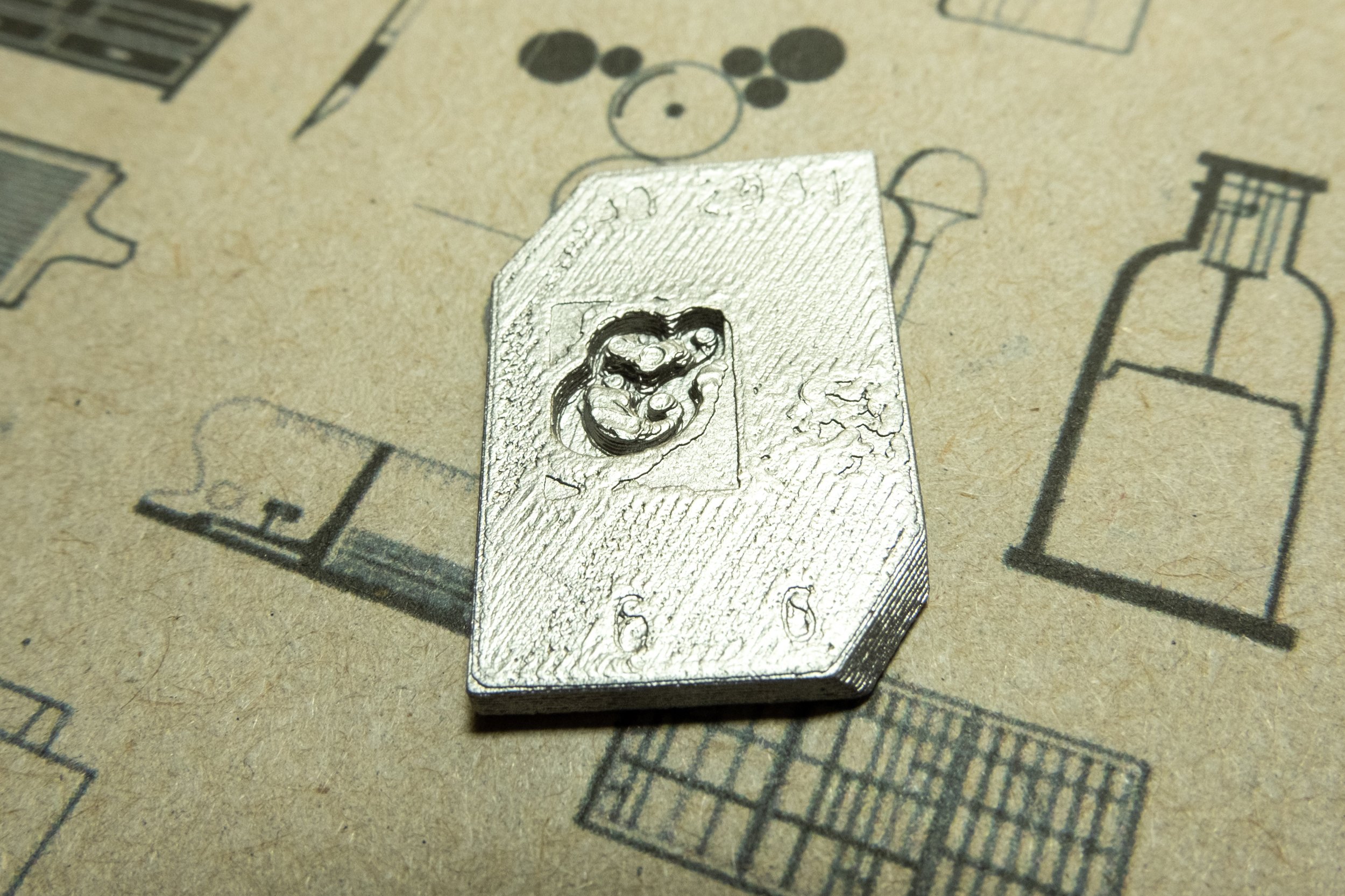
I sent the two 3D models off to Sculpteo to test what metal filament printing looks like, but the resolution and detail are too coarse. Still, an interesting test to make. More test prints off being made now in other materials.

The Tiny Type Studio

printing history

The Tiny Type Studio

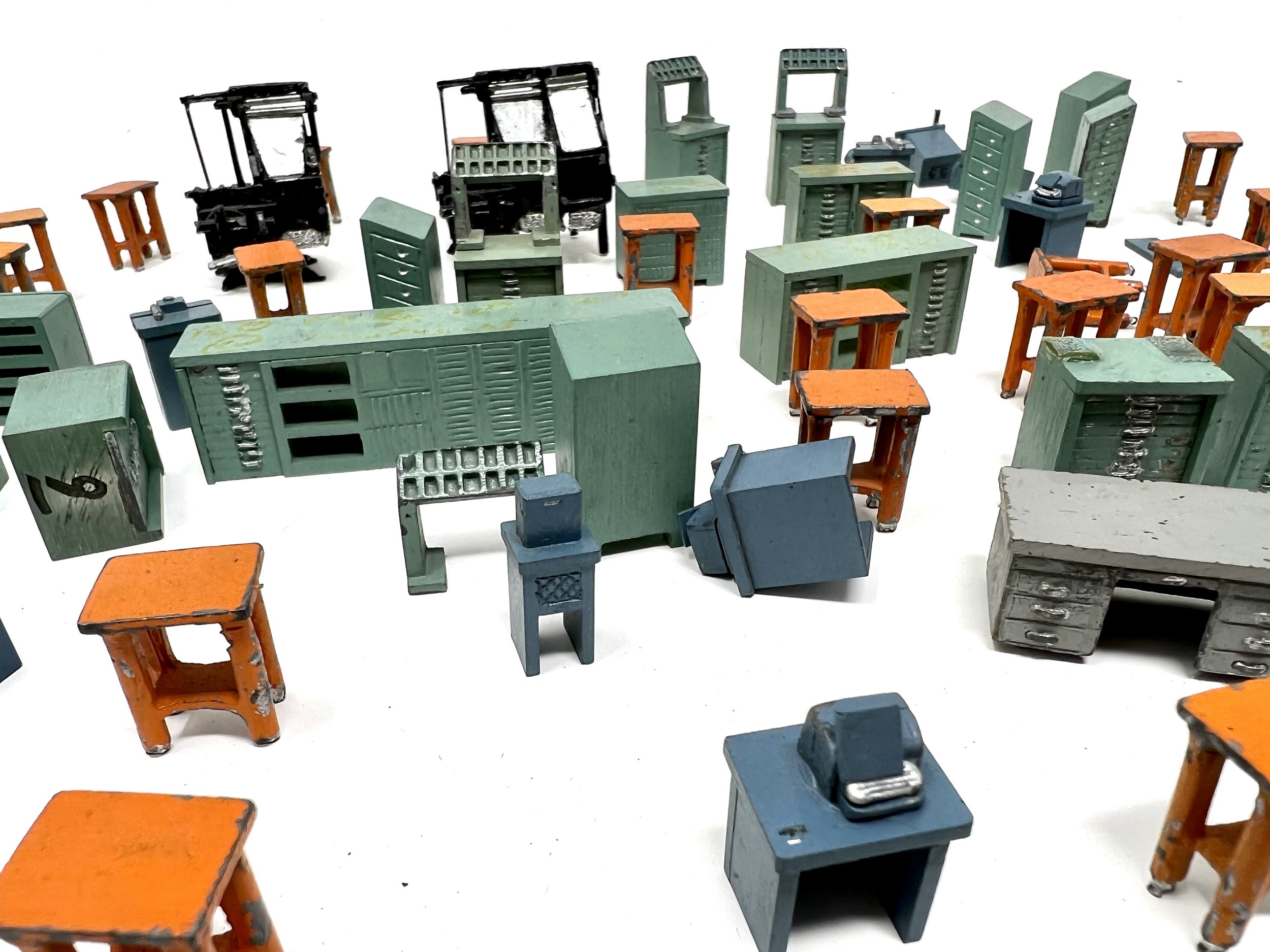
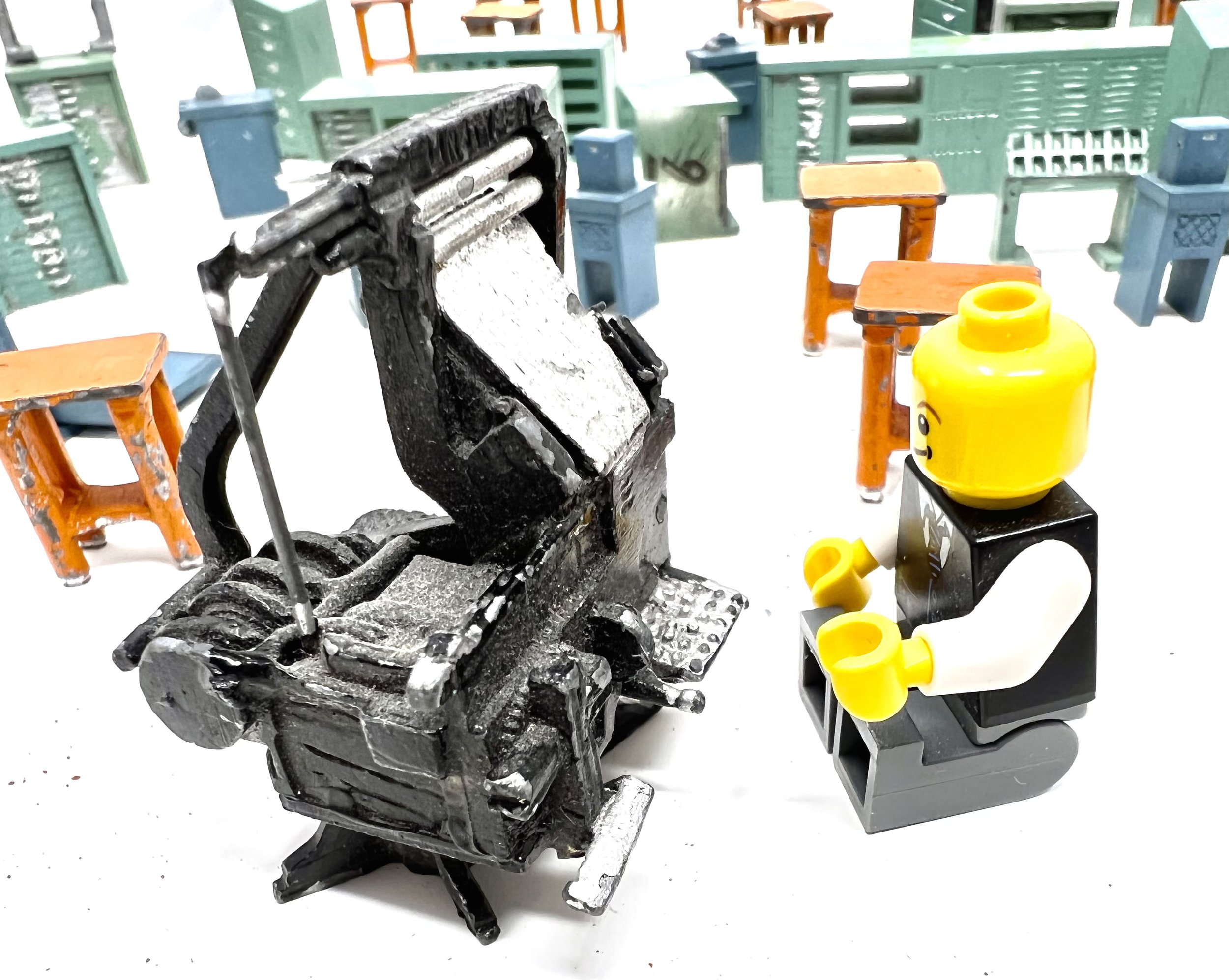
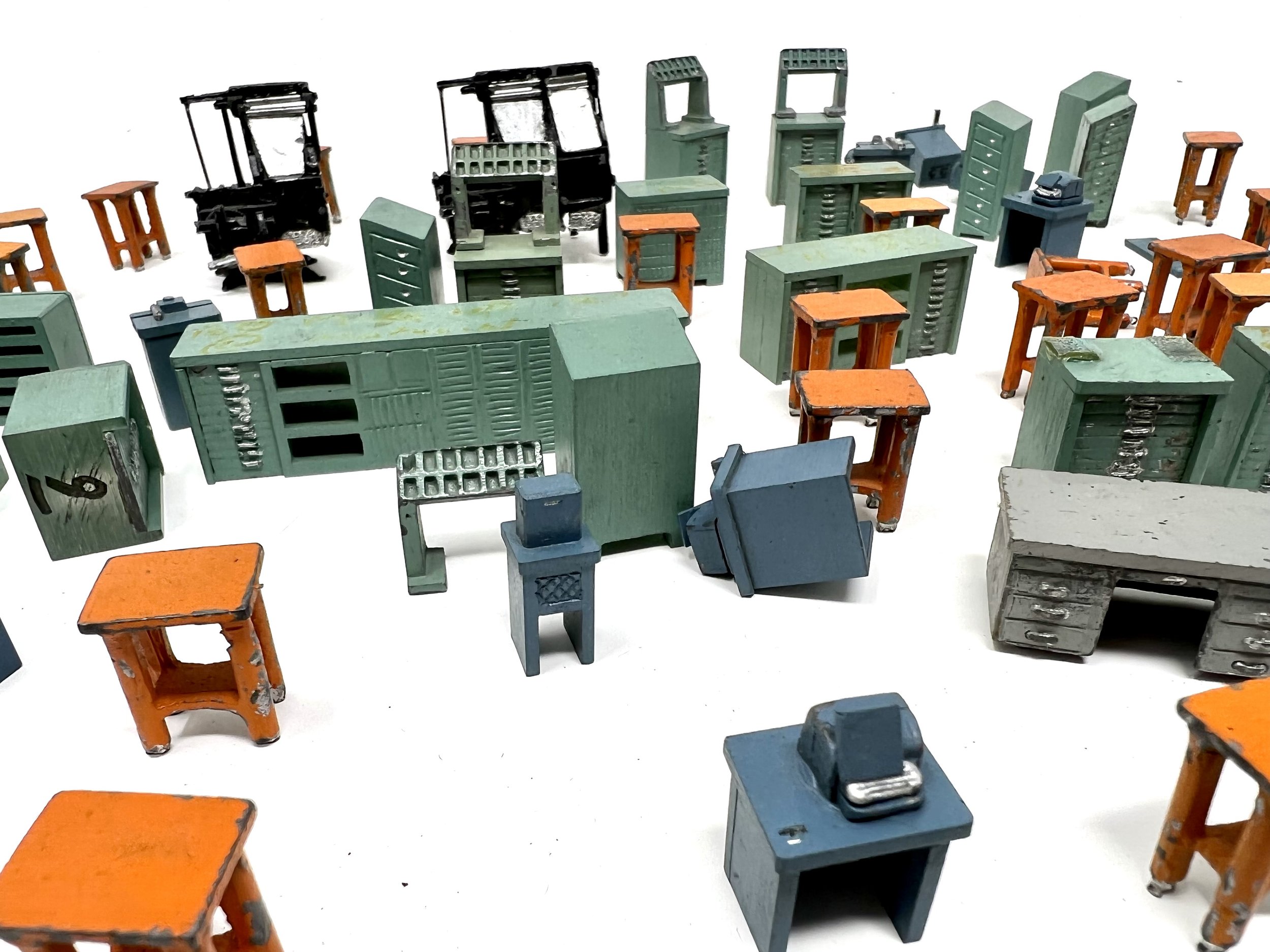
Shouldn’t a Tiny Type Museum have a perfect accompaniment? The tiny type shop? From the depths of time and an estate sale in Illinois mediated by its appearance on eBay comes this remarkable set of type miniatures made of wood, plastic, and metal! I was enthralled the second I saw them. The seller had no information beyond the state he bought them in; I can’t find anything like this described…anywhere! Perhaps made from scratch? Perhaps for composition-room layout planning?

Phil Abel & Nick Gill, Two UK Printers Across an Era

printing history

Phil Abel & Nick Gill, Two UK Printers Across an Era

 Phil Abel
Phil Abel

Phil Abel is a letterpress printer in London, who started his Hand and Eye Press in 1985 with a modest array of printing gear on the road towards his current set up with Heidelberg presses, and the ability to use both metal and wood type and produce modern photopolymer plates in house. He produces limited-edition fine-art books and we’ll talk about the album business.

Nick Gill worked for Phil, and eventually acquired his Monotype hot-metal casting gear to form Effra Press in North Yorkshire, England, where he and his wife are raising their children. Effra is one of the few remaining typefounders in the world. Nick trained at the Type Archive’s Monotype Hot-Metal Ltd operation, learning how to cut Monotype punches and matrices from Parminder Kumar Rajput, the only person ever learned all the jobs in the plant at the Monotype factory. Nick is also a

printing history

Steve Finan, Memories of the Last Days of Metal Printing

 Steve Finan
Steve Finan

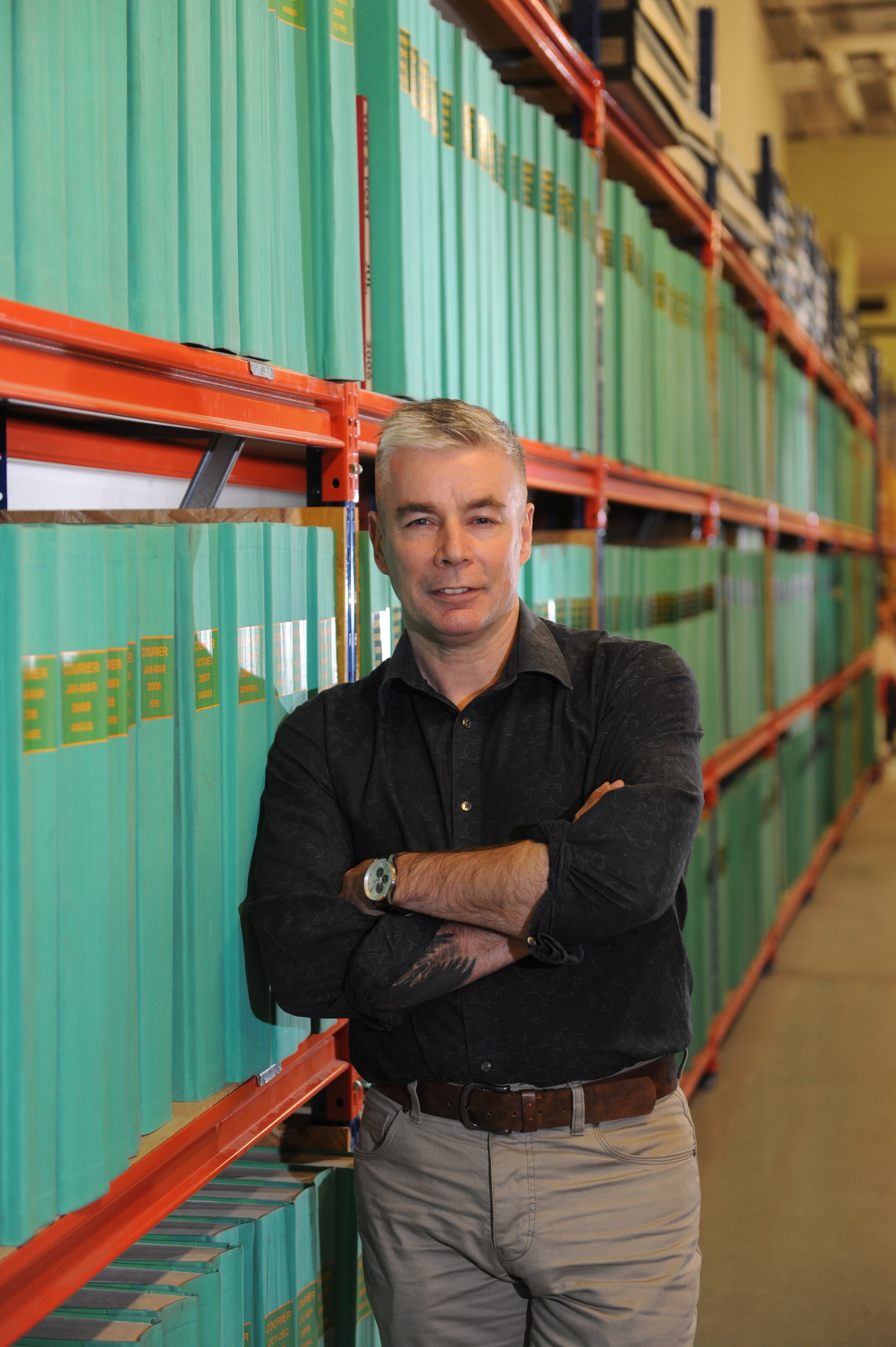
Steve Finan is journalist who writes regularly about language and the misunderstandings that result every time we open our mouths. His column “Oh My Word” appears in The Courier of Dundee, Scotland, and other DC Thomson publications, where he is the heritage unit editor. He's the author of several books about football—that's proper football not the American kind—including Lifted over the Turnstiles, described as "the best book about old Scottish football grounds ever published."

Steve began as a printing apprentice in just under the last four years of hot-metal typesetting and relief letterpress printing at a newspaper in Scotland. He loved the sound, the smell, the pranks, the robust work of it all. He reminisces about his work in those days, and tells stories best known to printer’s devils and those who labored on the stone.

Steve sent along a few photos of his days

Briar Levit, a Historian of Forgotten Figures of Design Past

podcast

Briar Levit, a Historian of Forgotten Figures of Design Past

 Briar Levit
Briar Levit

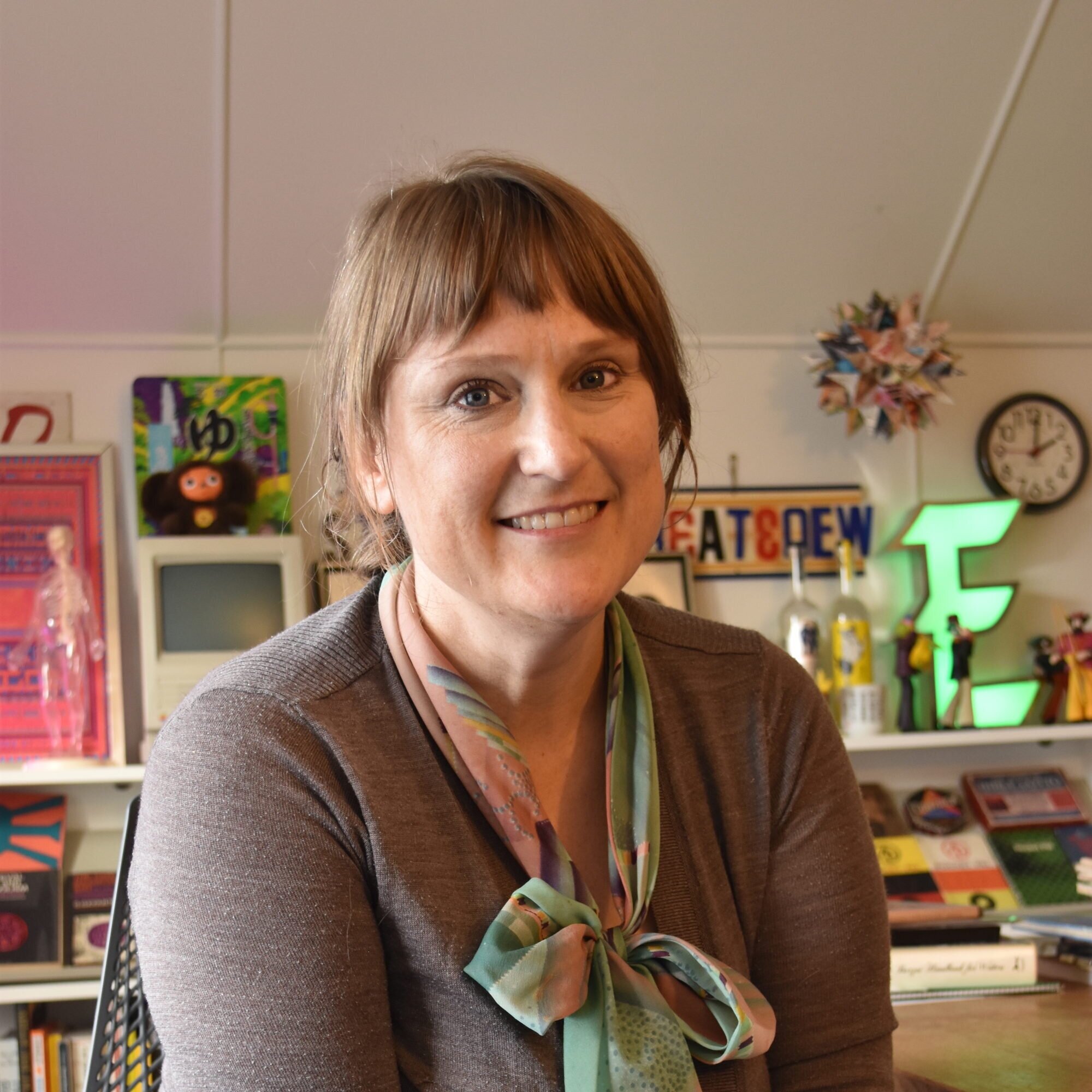
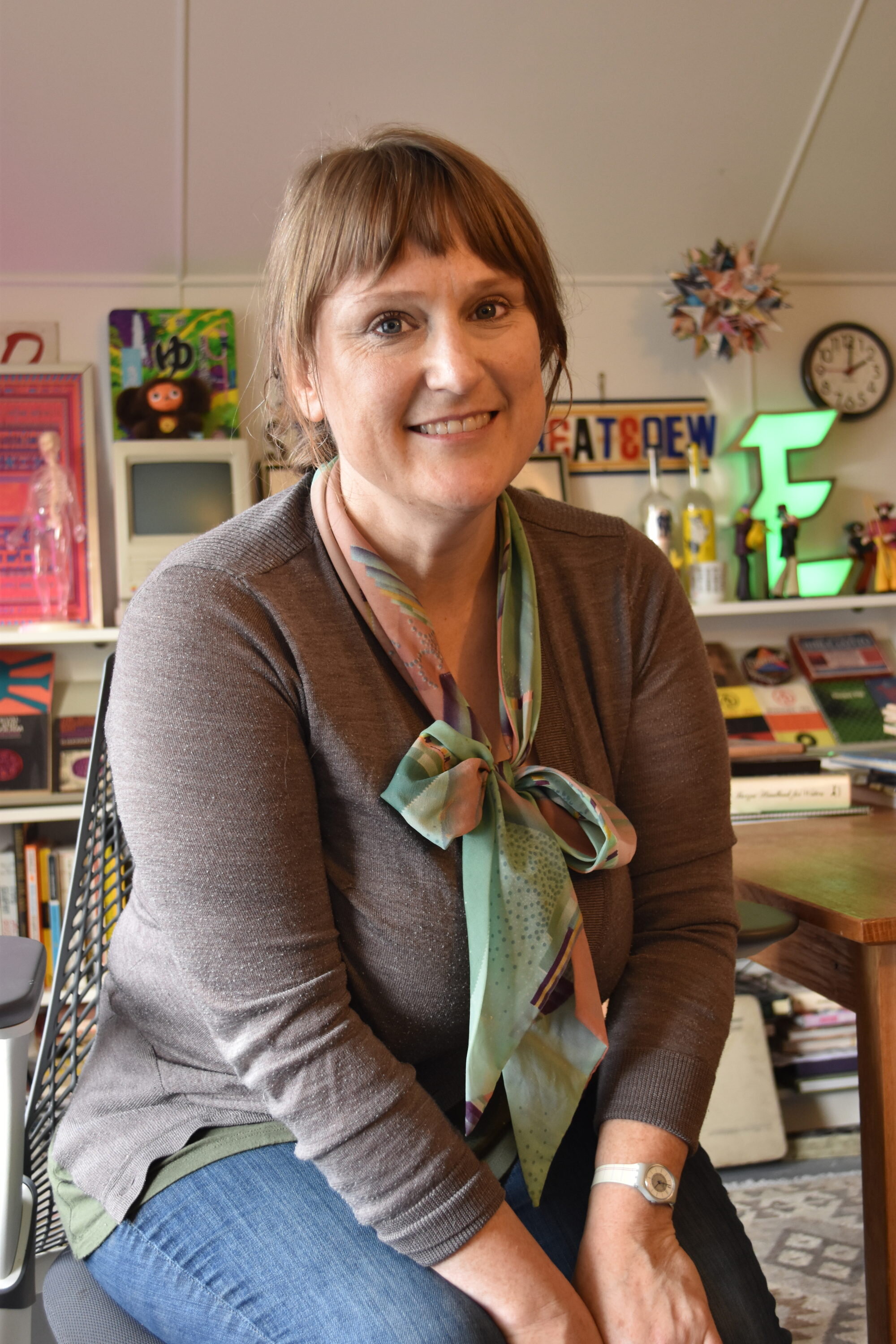
Briar Levit is a book designer, filmmaker, and former art director of Bitch magazine. She has taught graphic design for years, and is an associate professor of graphic design at Portland State University in Portland, Oregon. She directed the film Graphic Means about the phototype and paste-up period that acted as a transition between metal and digital production processes. That movie also delved into the way in which printing shops acted as gatekeepers to communication, and how women were severely underpaid during this period as they entered a previously nearly all-male industry.

With founder Louise Sandhaus, she and Brockett Horne are collaborating on fostering an amazing online gathering place, The People's Graphic Design Archive. And she's at work on Baseline Shift: Untold Stories of Women in Graphic Design History, a collection of essays due out later this year (not yet available for pre-order). We talk about all that

book

Book in Galleys, Book Production Dates, Initial Slugs Set

Imagine my excitement on returning from the Hamilton Wood Type & Printing Museum’s annual shindig, the Hamilton Wayzgoose (photos here), where I gave a talk about how London institutions preserve type and printing history, to photos of the metal type galleys for Six Centuries of Type & Printing.

 Photo of a galley proof from Effra Press by Nick Gill.
Photo of a galley proof from Effra Press by Nick Gill.

As the book is being set in England, I’m receiving photos instead of actual proofs—the cost is prohibitive and not very sensible to get paper copies. I reviewed the proofs digitally, in any case. A vanishingly few errors need to be corrected, some resulted from the usual vagaries of type being cast rapidly on ancient but well-maintained equipment, and a few last-minute typos of my own.

Because my own timeline on the book’s writing ran late, everything else has shifted back and I’ve pushed compositor, printer,

plates

How the Book Is Set

You might be interested to know how the book for this project, Six Centuries of Type & Printing, is being composed in hot metal. It’s an interesting interleaved journey of analog and digital. I had planned from the start for the book to be printed by letterpress, but set a stretch goal on the Kickstarter campaign to also have it typeset using Monotype hot-metal composition. That stretch goal was nearly met, so I went with it, and the sales of museums and books since then more than covered the additional expense. (Photopolymer would have been the alternative, but that isn’t necessarily cheaper. It has a streamlined design-to-production workflow, reducing labor and some printing costs. Read up on these rubbery plates in my article on Erik Spiekermann.)

[ You can pre-order a copy of the print book and the ebook ]

There are a reasonable number of people and companies around