Glog

Latest

The Tiny Type Studio

printing history

The Tiny Type Studio

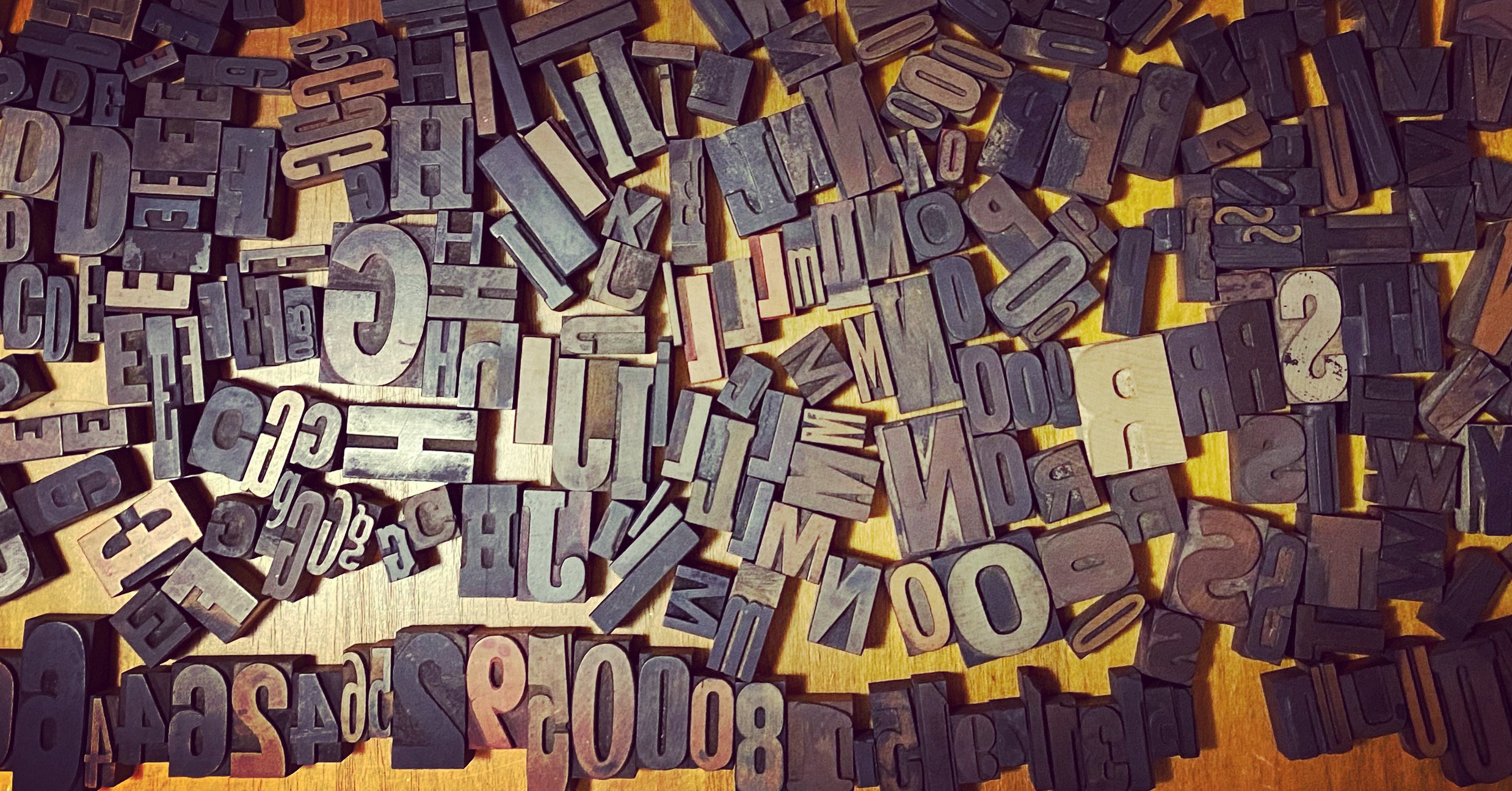
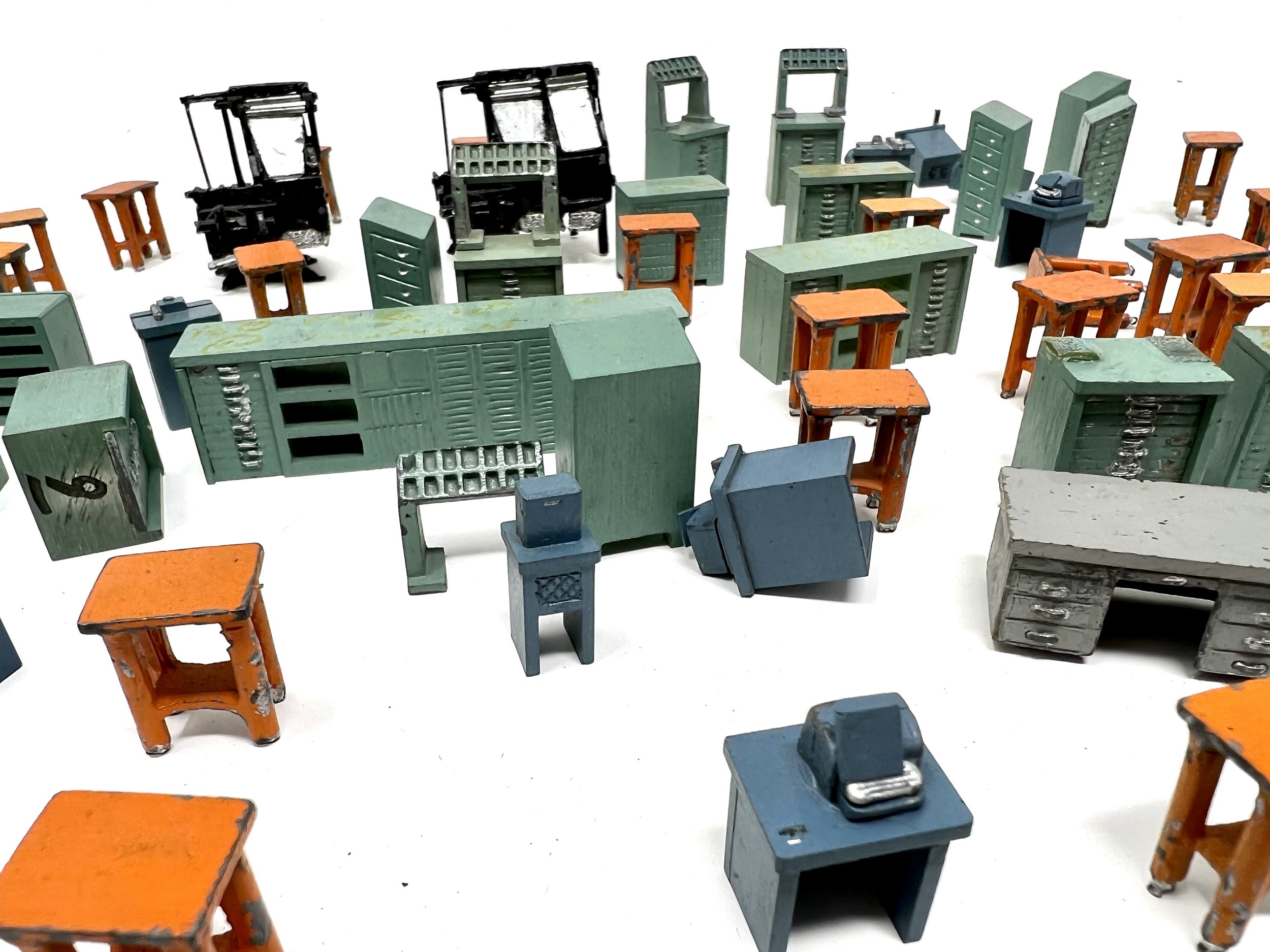
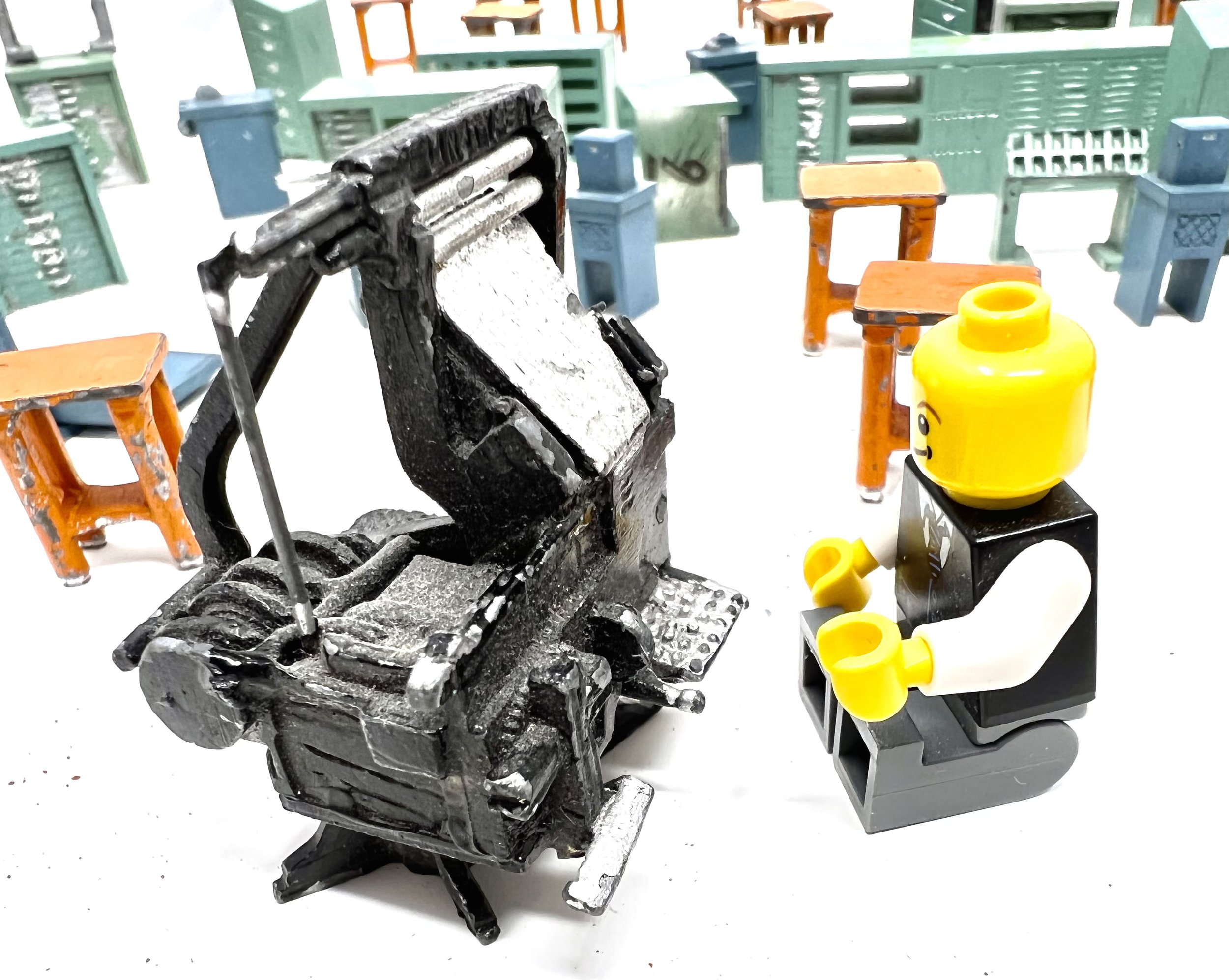
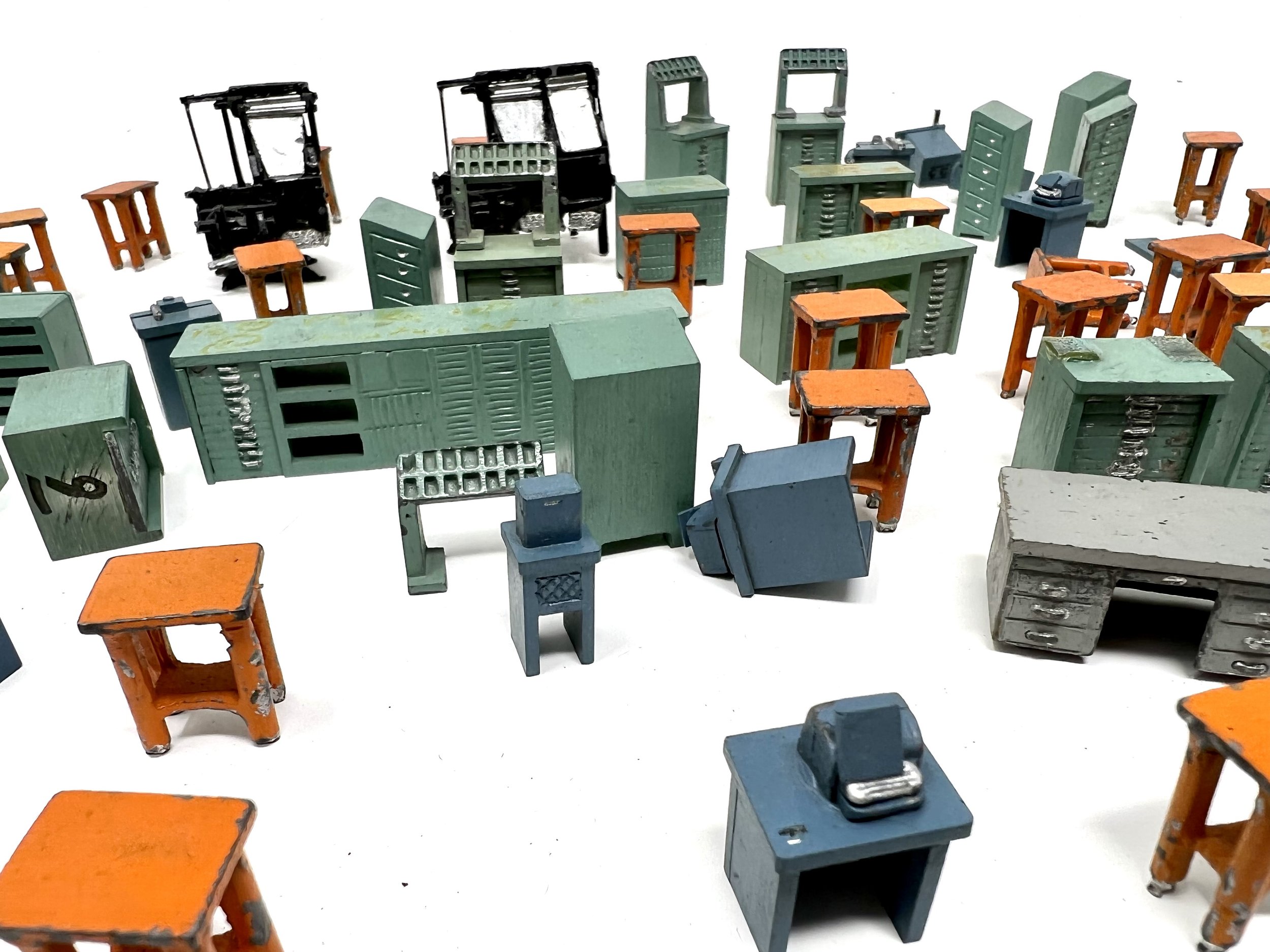
Shouldn’t a Tiny Type Museum have a perfect accompaniment? The tiny type shop? From the depths of time and an estate sale in Illinois mediated by its appearance on eBay comes this remarkable set of type miniatures made of wood, plastic, and metal! I was enthralled the second I saw them. The seller had no information beyond the state he bought them in; I can’t find anything like this described…anywhere! Perhaps made from scratch? Perhaps for composition-room layout planning?
Live Flong Party! A Show and Tell of Printing History

printing history

Live Flong Party! A Show and Tell of Printing History

Updated: The event was a great success and all the live streaming worked as hoped. You can watch the replay at YouTube or via the embedded video below.


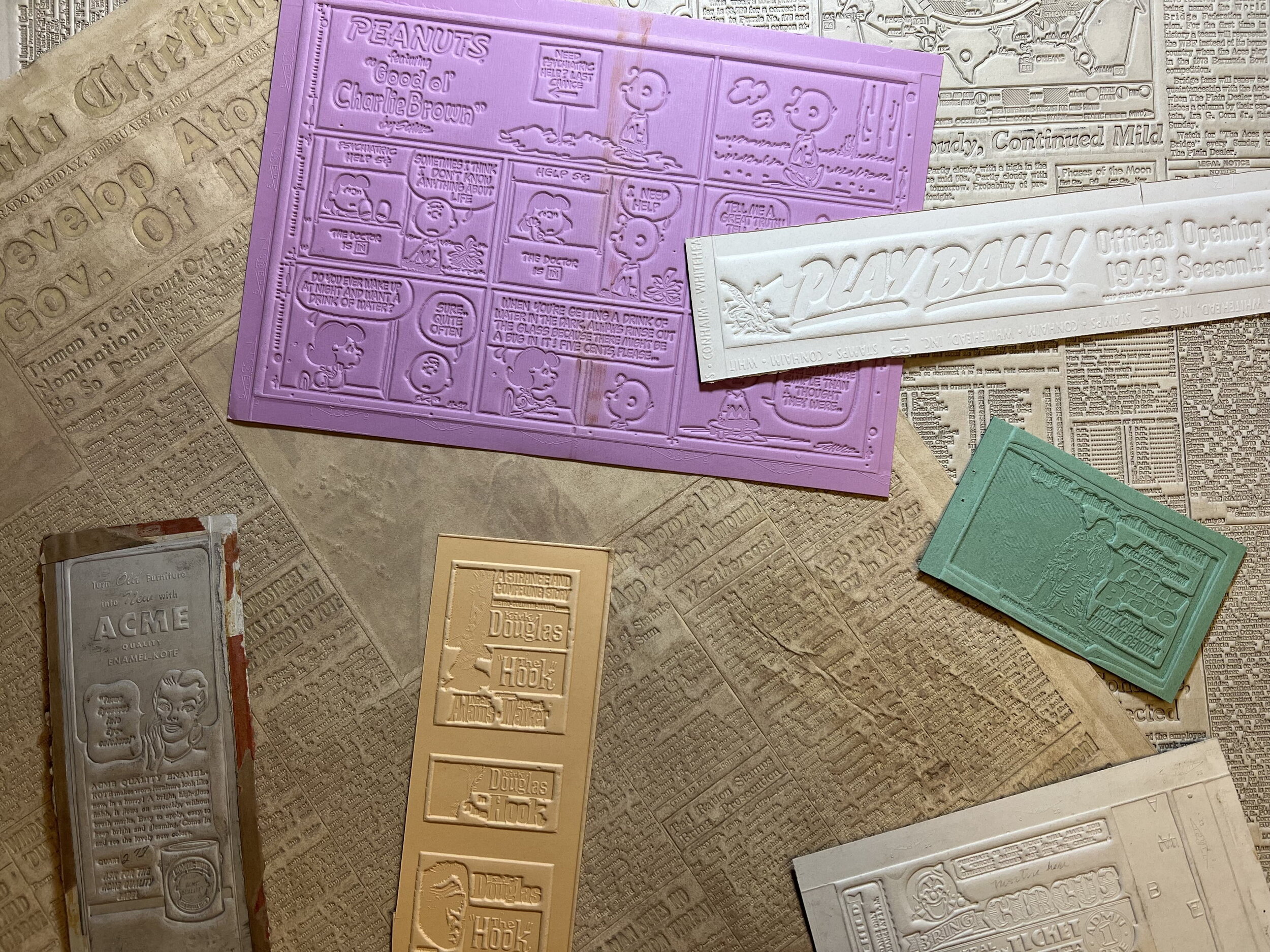
At 9 am Pacific on Saturday, October 16, I and a few other print historians and collectors will show off some of our sets of flongs, printing molds used for much of the 18th century and through the 1980s for syndicating comics, shipping out ads, and making full metal plates for newspaper printing, among other purposes. Flong is mostly forgotten, and I aim to fix that!

Attend live and ask questions via this YouTube link; click through and you can have YouTube send a reminder when the event time is close. This one-hour informal show-and-tell will be archived, too.

And it may be repeated: I had more people who want to show their flong than time in this first outing.

Phil Abel & Nick Gill, Two UK Printers Across an Era

printing history

Phil Abel & Nick Gill, Two UK Printers Across an Era

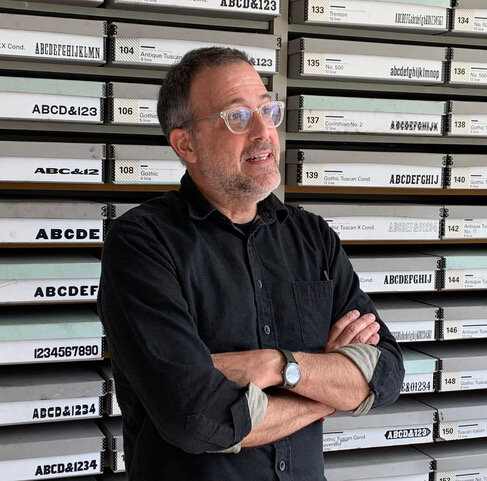
 Phil Abel
Phil Abel

Phil Abel is a letterpress printer in London, who started his Hand and Eye Press in 1985 with a modest array of printing gear on the road towards his current set up with Heidelberg presses, and the ability to use both metal and wood type and produce modern photopolymer plates in house. He produces limited-edition fine-art books and we’ll talk about the album business.

Nick Gill worked for Phil, and eventually acquired his Monotype hot-metal casting gear to form Effra Press in North Yorkshire, England, where he and his wife are raising their children. Effra is one of the few remaining typefounders in the world. Nick trained at the Type Archive’s Monotype Hot-Metal Ltd operation, learning how to cut Monotype punches and matrices from Parminder Kumar Rajput, the only person ever learned all the jobs in the plant at the Monotype factory. Nick is also a

Daniel Schneider, Industrial Archeologist

printing history

Daniel Schneider, Industrial Archeologist

Daniel Schneider (Instagram: rustedrebar) is a letterpress printer with an undergraduate degree in journalism and a master’s in industrial archeology, a field I am dying to talk to him about. His research has centered on the transformation of nineteenth century artisanal skills within the context of industrialization. He is the Headquarters Manager for the Society for Industrial Archeology at the Michigan Technological University, which is where he earned his master’s.

We discussed his master’s work “excavating” the function of a wood-border stamping machine at the Hamilton Wood Type & Printing Museum and, more generally, how we retain and recover industrial knowledge to understand how things worked in the past. Daniel’s work considers the worker’s role in industrial production, considering the transition of work from craft to repetitive low-skill production.

Daniel provided photos from his work that appear at the end of this post.

audio-thumbnail
Daniel Schneider,

type history

Grendl Löfkvist, a Blackletter Aficionado and Printer

Grendl Löfkvist is a calligrapher, letterpress printer, and former offset press operator, and the education director at Letterform Archive in San Francisco, California. She teaches extensively, including at the City College of San Francisco, at the San Francisco Center for the Book, in the Type West postgraduate certificate program, and at typographic events all over. Her areas of expertise include the history of graphic design, book arts, typography, and letterpress.

This episode “sponsored” by Six Centuries of Type & Printing! Get a discount off your purchase of the book by listening to this episode’s introduction for a coupon code.

Subscribe to the podcast feed directly via this link, via iTunes, or any podcasting app.

audio-thumbnail
Grendl Löfkvist, Printer, Calligrapher, and Educator
0:00
/0:00

Notes from this episode

Amelia Hugill-Fontanel, Associate Curator in the Cary Collection at RIT, Historian, and Letterpress Printer

podcast

Amelia Hugill-Fontanel, Associate Curator in the Cary Collection at RIT, Historian, and Letterpress Printer

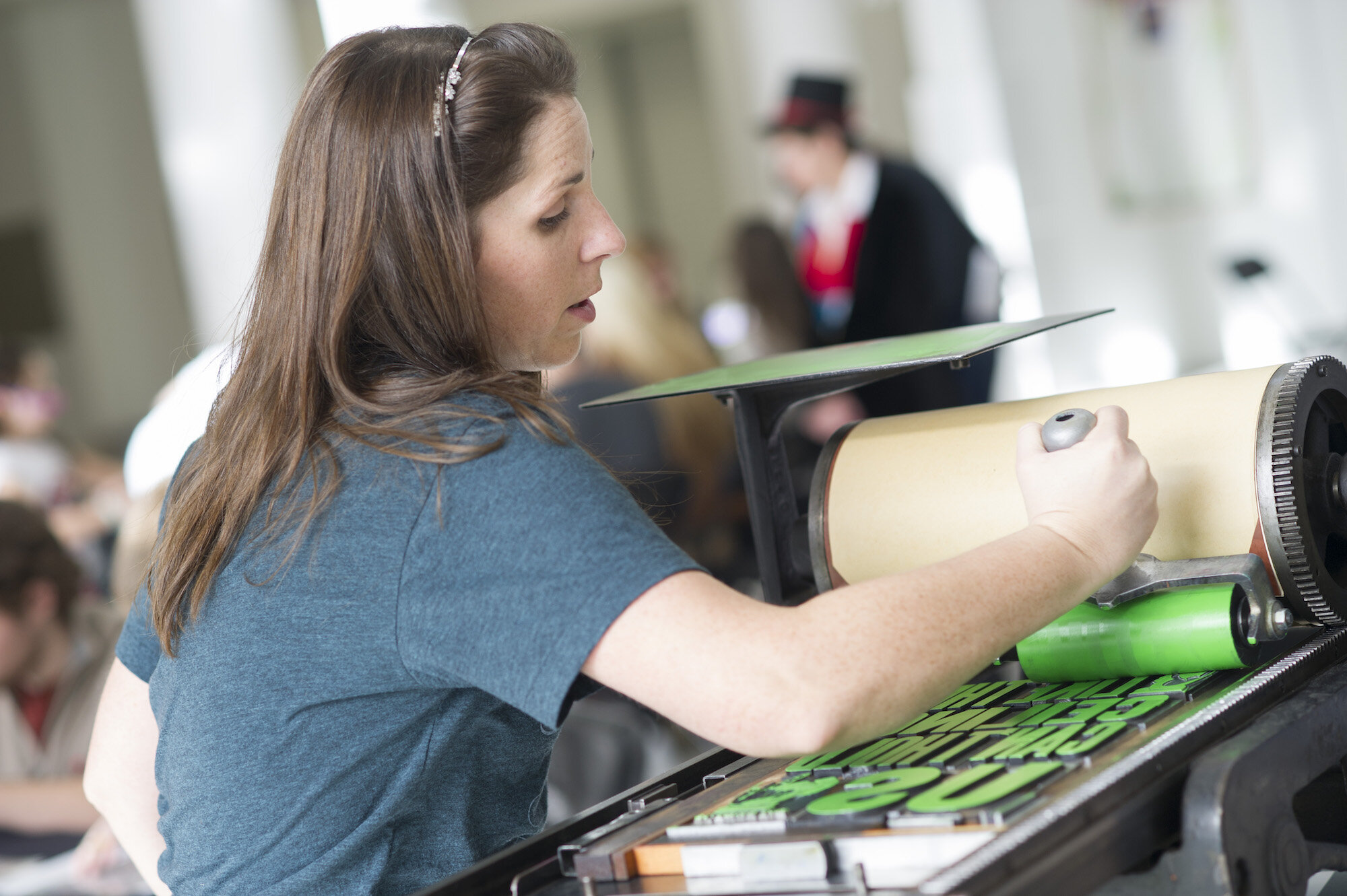
 Amelia Hugill-Fontanel on press (Photo: RIT Production Services)
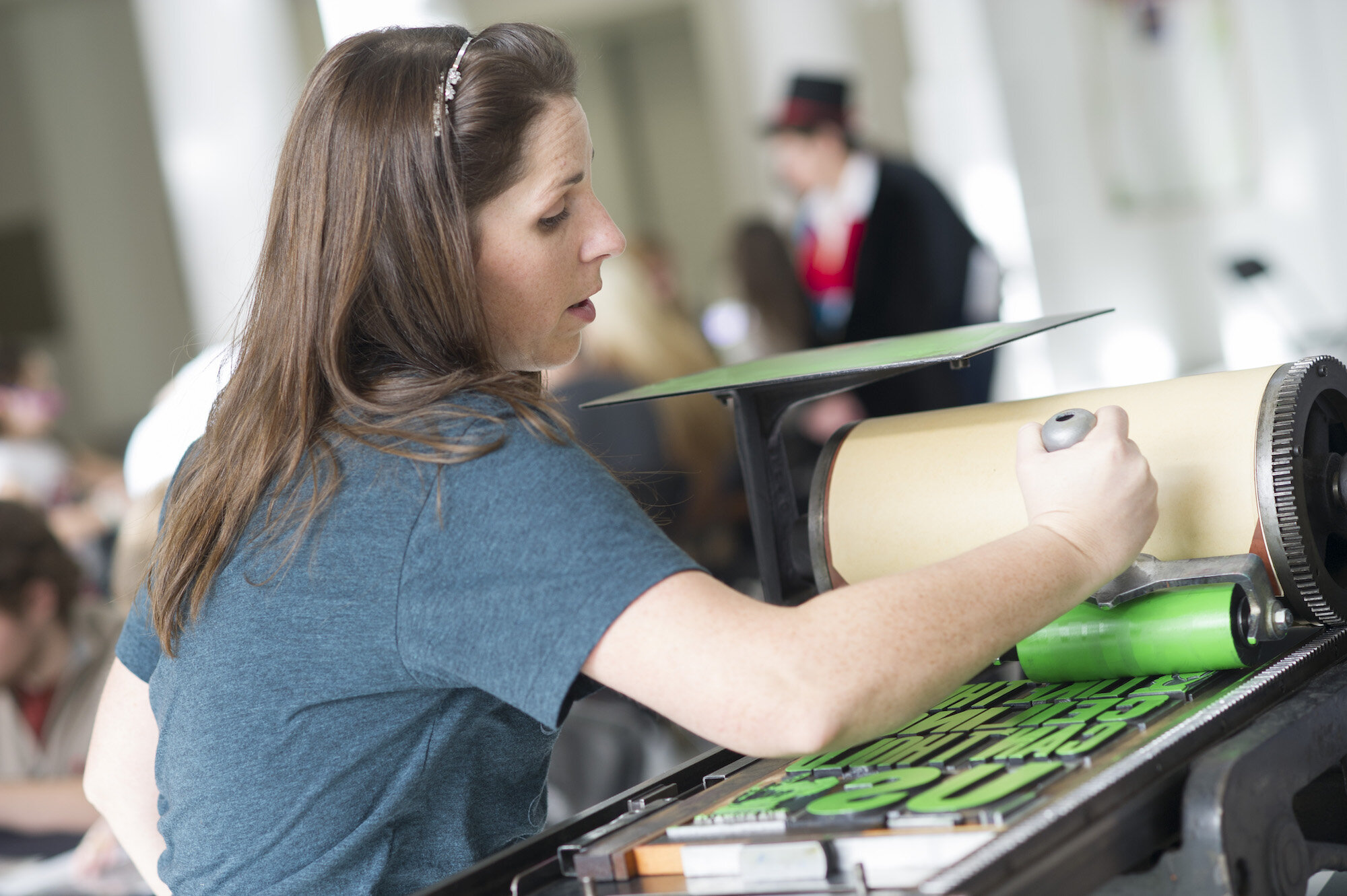
Amelia Hugill-Fontanel on press (Photo: RIT Production Services)

Amelia Hugill-Fontanel, the Associate Curator in the Cary Collection at the Rochester Institute of Technology discusses the history of the collection, the nature of preserving the past, and the rapid development of printing—especially how quickly reproduction sped up—across the early part of the 19th century.

Amelia has held her position at RIT since 2009, and her time working with collection dates back a further decade. She’s an active artist and letterpress printer. She manages the Cary Collection’s extensive set of historical presses and type, which are used actively in teaching and research, and also lectures extensively printing history and practice. Amelia is the vice president of programs at the American Printing History Association.

Subscribe to the podcast feed directly via this link, via iTunes, or any podcasting app.

audio-thumbnail
Amelia Hugill-Fontanel, Associate Curator in the Cary Collection at RIT
Alix Christie, Author of Gutenberg’s Apprentice, Reporter, and Letterpress Printer

podcast

Alix Christie, Author of Gutenberg’s Apprentice, Reporter, and Letterpress Printer

 Alix Christie (Photo: Kirsten McKee)
Alix Christie (Photo: Kirsten McKee)

Alix Christie wrote the book on Gutenberg. Her novel, Gutenberg’s Apprentice, puts us squarely in the milieu in which Gutenberg formed his studio, told through the eyes of his apprentice Peter Schöffer, also a historical figure. Alix’s non-fiction work includes reporting across decades as a domestic and foreign correspondent for a host of publications, including the Washington Post and the Guardian. She’s also a letterpress printer, who received her training in her youth from her grandfather, Lester Lloyd.

We talk about Gutenberg, the history and “invention” of printing, the Grabhorn Institute (the non-profit preserving Mackenzie & Harris Type and the Arion Press), learning letterpress as a youth, and much more.

Subscribe to the podcast feed directly via this link, via iTunes, or any podcasting app.

audio-thumbnail
Alix Christie, Author of Gutenberg’s Apprentice
0:00
/0:00

Notes from This Episode

printing history

Steve Finan, Memories of the Last Days of Metal Printing

 Steve Finan
Steve Finan

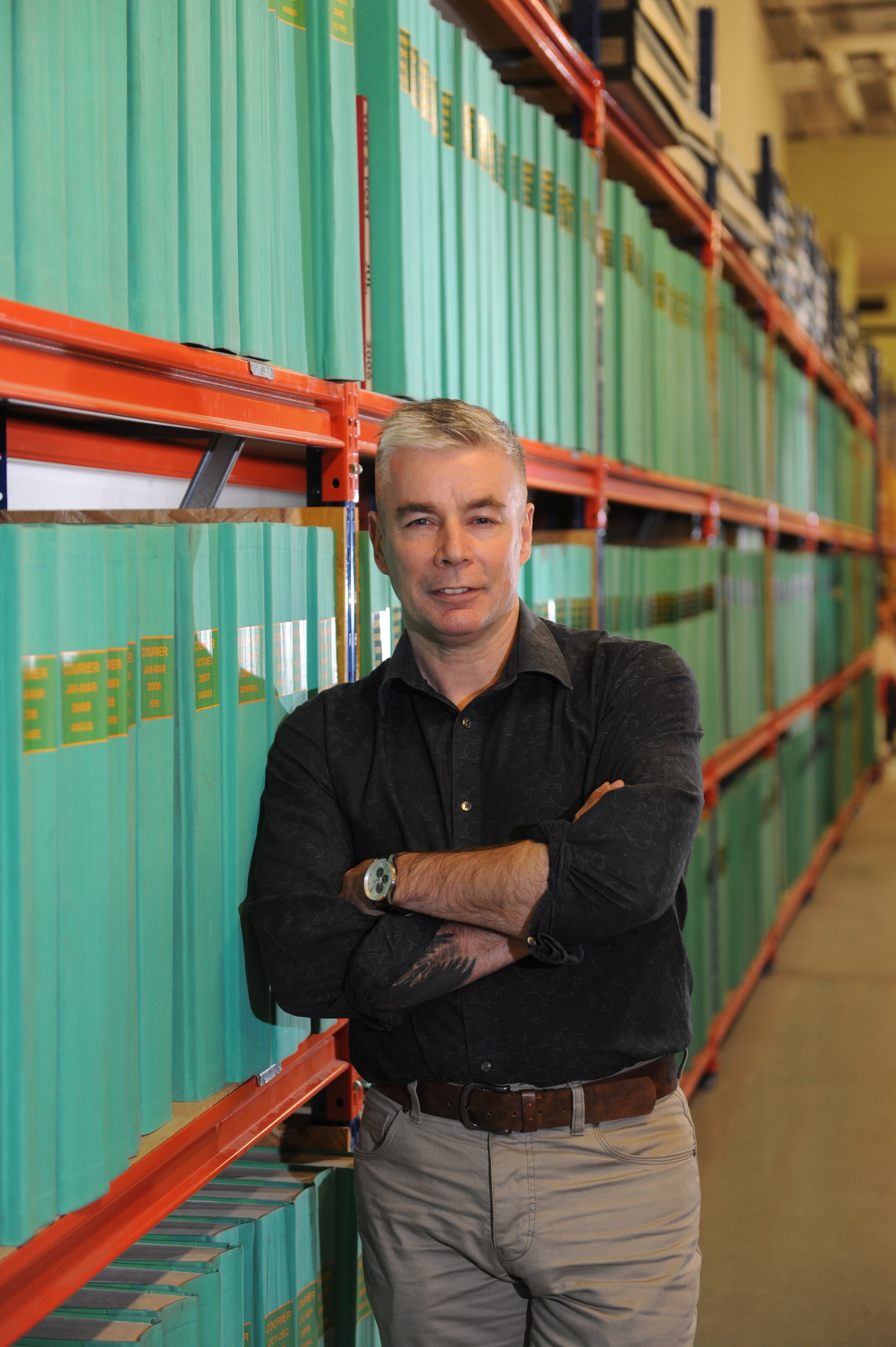
Steve Finan is journalist who writes regularly about language and the misunderstandings that result every time we open our mouths. His column “Oh My Word” appears in The Courier of Dundee, Scotland, and other DC Thomson publications, where he is the heritage unit editor. He's the author of several books about football—that's proper football not the American kind—including Lifted over the Turnstiles, described as "the best book about old Scottish football grounds ever published."

Steve began as a printing apprentice in just under the last four years of hot-metal typesetting and relief letterpress printing at a newspaper in Scotland. He loved the sound, the smell, the pranks, the robust work of it all. He reminisces about his work in those days, and tells stories best known to printer’s devils and those who labored on the stone.

Steve sent along a few photos of his days

Toshi Omagari, Type Designer and Video Game Font Historian

podcast

Toshi Omagari, Type Designer and Video Game Font Historian

 Toshi Omagari (Photo: Yasuyuki Omagari)
Toshi Omagari (Photo: Yasuyuki Omagari)

Toshi Omagari studied Visual Communication Design at Musashino Art University, Japan, and then got his master's in Typeface Design at the University of Reading in England. From 2012 to 2020, he worked at Monotype, one of the leading digital type foundries, with roots that date back well over a century. During that time, he created his own faces and revivals, including a major reworking and expansion of five typefaces created by Berthold Wolpe. Toshi runs his own font studio now, and lectures and teaches.

His 2019 book, Arcade Game Typography (find it at a bookstore), is an incredible deep dive into the 8-by-8 pixel fonts used in early video game systems and arcade consoles. Just a few days before we spoke, he posted a blog entry about ink traps and light traps, which has the kind of obsessive detail that appeals to someone like me,

David Shields, Wood Type Historian (Tiny Typecast)

wood type

David Shields, Wood Type Historian (Tiny Typecast)

 David Shields at the Rob Roy Kelly American Wood Type Collection  (Photo:  Romy Suskin Photography )
David Shields at the Rob Roy Kelly American Wood Type Collection (Photo: Romy Suskin Photography )

David Shields is my guest on the latest episode of the Tiny Typecast. He’s the preeminent expert on the history of wood type, and currently the chair of the Department of Graphic Design at Virginia Commonwealth University in Richmond, where he teaches design. David previously taught at the University of Texas at Austin, where he was the Design Custodian of the Rob Roy Kelly American Wood Type Collection. David has engaged in extensive studies of the history of wood type production in America and Europe, as well as actively using historical type in printing. He produced the reproduction edition of American Wood Type: 1828–1900.

His work provides an invaluable tool to historian and to printers, by helping people track down the provenance of type and re-assemble sets of type that have been scattered.

Briar Levit, a Historian of Forgotten Figures of Design Past

podcast

Briar Levit, a Historian of Forgotten Figures of Design Past

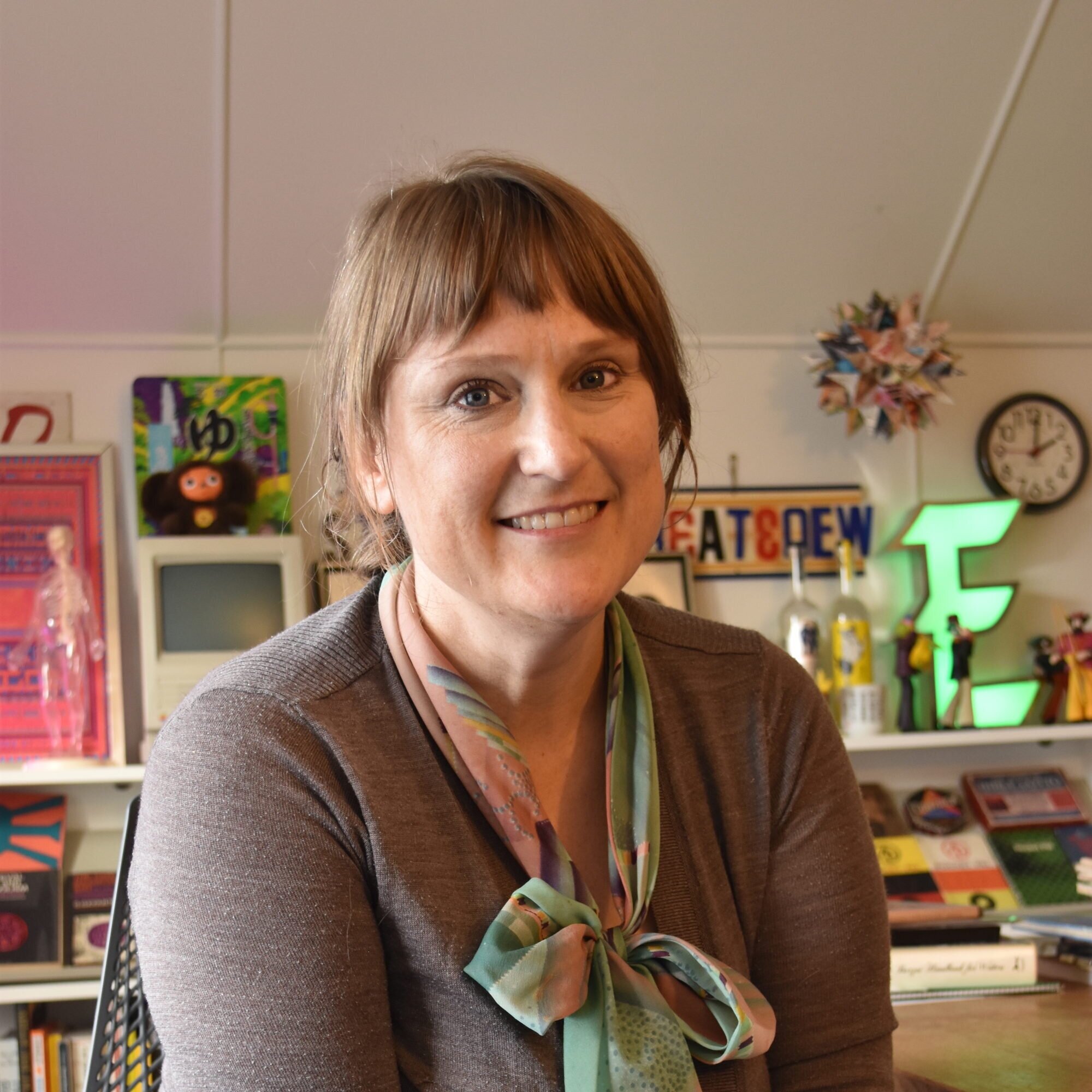
 Briar Levit
Briar Levit

Briar Levit is a book designer, filmmaker, and former art director of Bitch magazine. She has taught graphic design for years, and is an associate professor of graphic design at Portland State University in Portland, Oregon. She directed the film Graphic Means about the phototype and paste-up period that acted as a transition between metal and digital production processes. That movie also delved into the way in which printing shops acted as gatekeepers to communication, and how women were severely underpaid during this period as they entered a previously nearly all-male industry.

With founder Louise Sandhaus, she and Brockett Horne are collaborating on fostering an amazing online gathering place, The People's Graphic Design Archive. And she's at work on Baseline Shift: Untold Stories of Women in Graphic Design History, a collection of essays due out later this year (not yet available for pre-order). We talk about all that

Jim Moran, Hamilton Wood Type & Printing Museum (The Tiny Typecast)

podcast

Jim Moran, Hamilton Wood Type & Printing Museum (The Tiny Typecast)

The Tiny Typecast is back in a new year with new energy, following my delivery of 90 (soon to be 95) of the Tiny Type Museum & Time Capsules, leaving room to breathe and resume paused projects. Subscribe to the podcast feed directly via this link, via iTunes, or any podcasting app.

On this first episode in the new run in 2021, please welcome Jim Moran, the master printer and collections officer at the Hamilton Wood Type & Printing Museum in Two Rivers, Wisconsin. Hamilton is a unique institution in all sorts of ways. It preserves the manufacturing history and remaining wood type assets of the historical Hamilton Wood Type Company, the dominant producer of wood type in America from the late 1800s through the 1990s.

audio-thumbnail
Jim Moran, Hamilton Wood Type & Printing Museum
0:00
/0:00

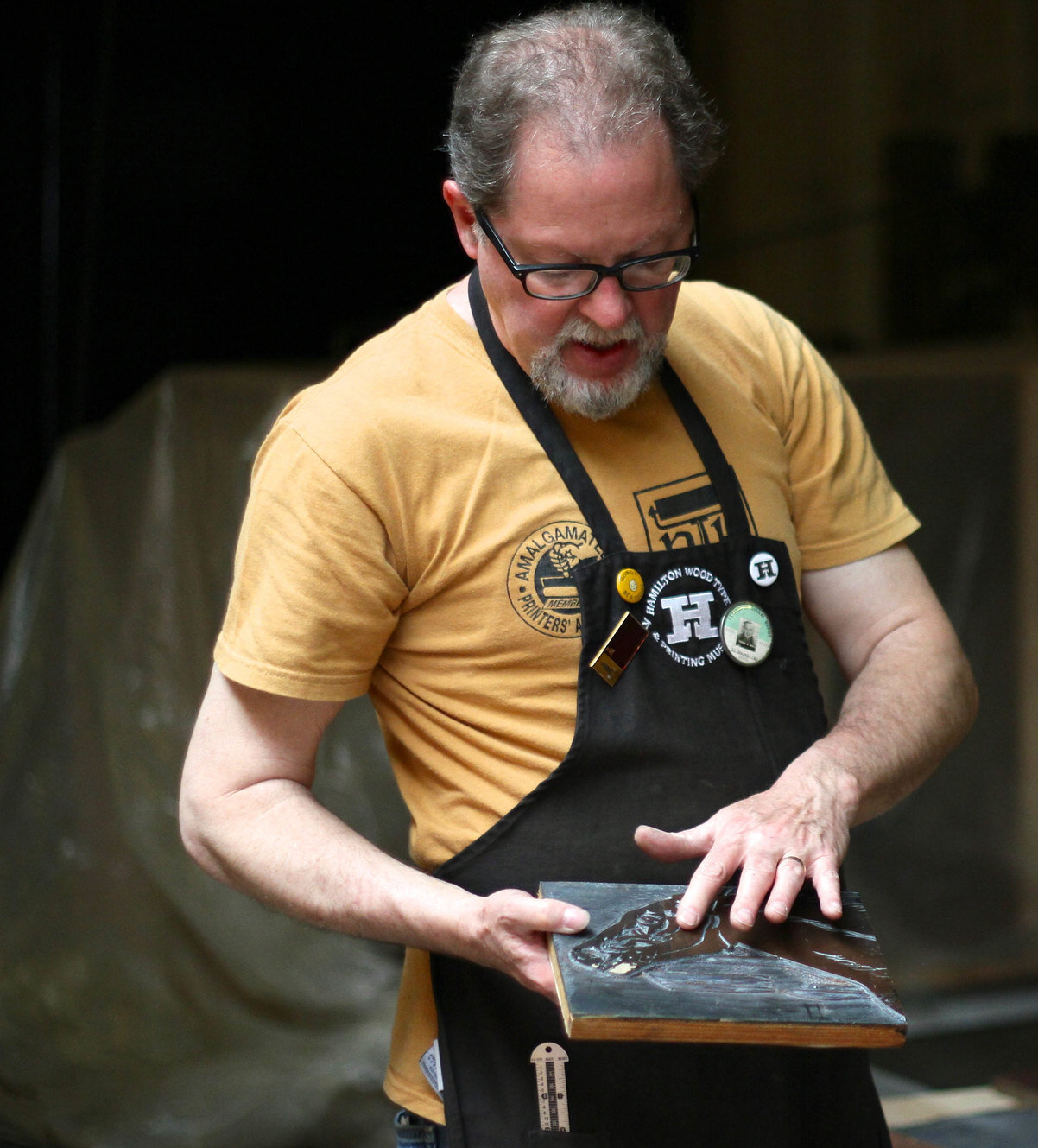
 Jim Moran holding a wood block (photo by Jacqui Cheng for  The Magazine )
Jim Moran holding a wood block (photo by Jacqui